


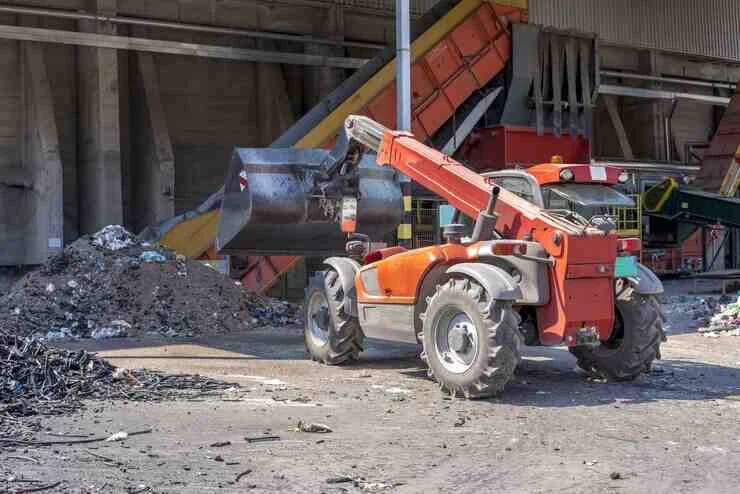
Types of Waste Generated in Paving Projects
Paving projects generate various types of waste, including:
1. Asphalt and Concrete: The primary materials used in paving, when removed, become waste that needs to be properly managed.
2. Contaminated Soils: Soil may become contaminated with hazardous materials, such as oil and fuel, during construction and need remediation.
3. Hazardous Materials: Some projects may involve hazardous materials, such as chemicals used in surface treatments or older infrastructure materials like lead-based paint or asbestos.
4. Construction Debris: Miscellaneous construction debris, including wood, metal, plastics, and other materials, can accumulate during the project.
Importance of Proper Waste Disposal
Proper waste disposal in paving projects is essential for several reasons:
1. Environmental Protection: Inadequate disposal can lead to soil and water pollution, harming ecosystems and public health.
2. Regulatory Compliance: Non-compliance with local, state, and federal regulations can result in legal and financial penalties.
3. Cost Efficiency: Proper disposal practices can minimize disposal costs, making projects more cost-effective.
4. Public Safety: It ensures that hazardous materials are contained and disposed of safely, preventing harm to workers and the public.
Best Practices for Proper Waste Disposal
To ensure proper waste disposal in paving projects, consider these best practices:
1. Segregation: Separate waste materials at the source to facilitate recycling and proper disposal. Segregation is especially crucial for hazardous materials.
2. Recycling: Whenever possible, recycle materials like asphalt and concrete to reduce the environmental impact and save costs. Many asphalt recycling technologies are available.
3. Hazardous Waste Handling: If the project involves hazardous materials, follow all regulations for their containment, transport, and disposal. This often requires the assistance of specialized hazardous waste disposal companies.
4. Contaminated Soil Remediation: If soil is contaminated during the project, consult with environmental experts to implement remediation techniques that restore the soil to a safe condition.
5. Waste Disposal Records: Maintain detailed records of waste disposal, including the types and quantities of materials, the disposal location, and compliance with all applicable regulations.
6. Local Disposal Facilities: Work with licensed waste disposal facilities that adhere to environmental regulations and safety standards.
7. Education and Training: Ensure that all project personnel, including contractors, workers, and subcontractors, are educated and trained in proper waste disposal practices.
Conclusion
Proper waste disposal is a fundamental aspect of responsible construction and maintenance in paving projects. It safeguards the environment, ensures regulatory compliance, improves cost efficiency, and promotes public safety. By following the best practices outlined in this blog, construction professionals can contribute to more sustainable and responsible infrastructure development, benefiting both current and future generations.

Architects play a pivotal role in designing buildings that are not only aesthetically pleasing but also safe and functional. One of the crucial aspects of architectural design is ensuring compliance w...
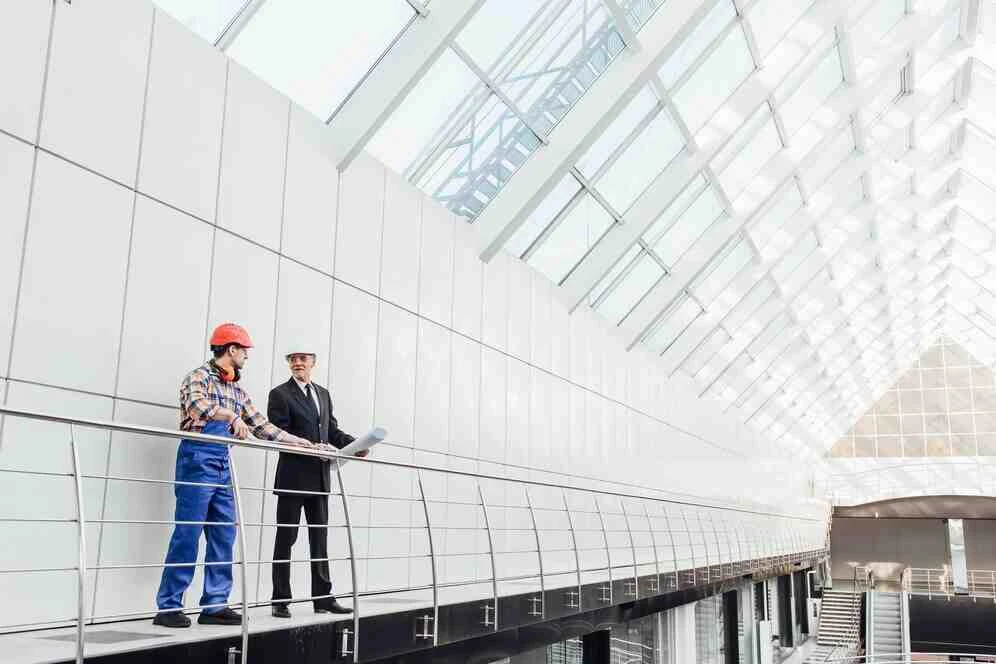
In the realm of architectural design, aesthetics, and functionality often take center stage. However, a paramount concern that should never be overlooked is safety. The safety of occupants and users i...

Explore the delicate balance between sustainability innovation and safety regulations in architectural design. Discover how architects create eco-friendly yet safe spaces.
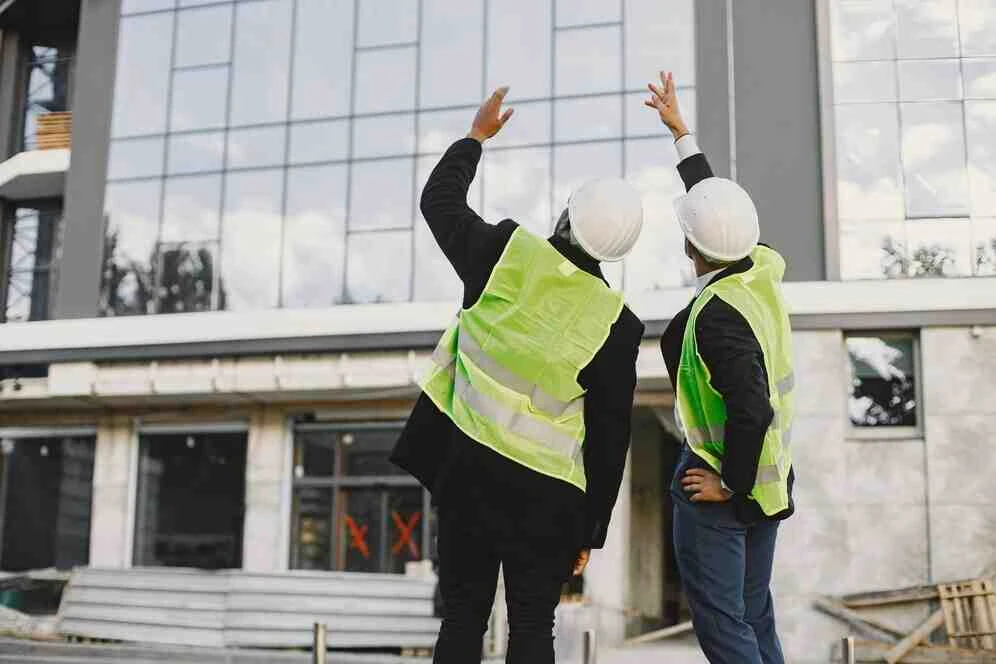
Discover the latest seismic safety innovations for architects in the UK. Stay informed to design resilient structures in low-seismic-risk regions.
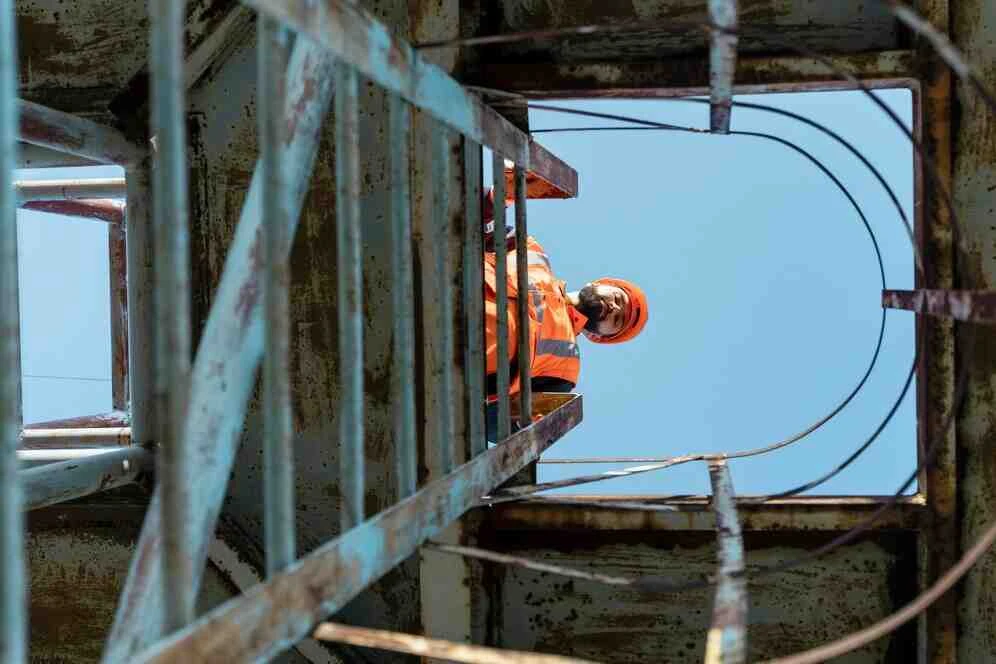
Explore fire safety in UK architecture. Learn about codes, fire-resistant materials, and design strategies to protect lives and property in architectural projects.
Discover the importance of designing inclusively in architecture. Learn how to meet the unique needs of disabled individuals and create accessible spaces for all.
Sign up to start winning an unlimited amount of jobs near you.


 Electrician
Gas Engineer
Electrician
Gas Engineer


Send more enquiries and explore your options
Increasing the number of potentials leads for you!
Have more control and flexibility over your finances!