

Why Does Proper Waste Disposal Matter?
Environmental Impact: Heating projects often involve the use of fossil fuels like coal, oil, and natural gas. The combustion of these fuels releases harmful pollutants into the atmosphere, contributing to climate change and air pollution. Proper waste disposal helps mitigate these impacts by reducing the release of pollutants into the environment.
Resource Conservation: Many heating projects generate waste materials that can be recycled or repurposed, reducing the need for virgin resources. Proper disposal ensures that valuable materials are not wasted and can be used in future projects.
Health and Safety: Inadequate waste disposal can lead to hazardous conditions for workers and nearby communities. Toxic materials or improperly managed waste can contaminate soil, water, and air, posing health risks to both people and the environment.
Challenges in Proper Waste Disposal
Diverse Types of Waste: Heating projects generate a wide range of waste materials, from ash and slag to chemical byproducts. Each type requires a specific disposal method, making waste management complex.
Regulatory Compliance: Environmental regulations vary by location and are constantly evolving. Staying compliant with these regulations can be challenging, especially for smaller projects with limited resources.
Cost Considerations: Proper waste disposal can be costly, and budget constraints may tempt project managers to cut corners, leading to improper disposal methods.
Practical Solutions for Responsible Waste Management
Waste Segregation: The first step in proper waste disposal is segregating different types of waste. Separate hazardous materials from non-hazardous ones to ensure they are treated appropriately.
Recycling: Identify recyclable materials within your waste stream and establish a recycling program. Metals, glass, and certain plastics can often be recycled, reducing the environmental impact of your project.
Composting: If your heating project generates organic waste, consider composting it. Organic materials like wood chips and sawdust can be turned into nutrient-rich compost for landscaping or agriculture.
Hazardous Waste Disposal: Hazardous materials like chemicals and contaminated soil must be disposed of following specific regulations. Work with certified disposal companies to ensure proper handling.
Energy Recovery: Some waste materials from heating projects can be used to generate energy. Explore options for waste-to-energy technologies that can convert waste into electricity or heat.
Environmental Assessments: Conduct environmental impact assessments before and after your heating project to measure its effect on the environment and identify areas for improvement.
Training and Education: Ensure that your team is trained in proper waste disposal practices. Knowledgeable workers are more likely to follow best practices.
Stay Informed About Regulations: Keep abreast of local and national regulations concerning waste disposal. Compliance is crucial to avoiding legal issues and maintaining a positive environmental record.
Case Studies: Successful Waste Disposal in Heating Projects
District Heating in Copenhagen: The city of Copenhagen, Denmark, has successfully implemented a district heating system that utilizes waste heat from power plants and industrial processes. This approach not only reduces energy waste but also minimizes the environmental impact of waste heat.
Biomass Energy in Sweden: Sweden has invested heavily in biomass energy projects. By using waste from the forestry industry as fuel, they have not only reduced waste but also decreased their reliance on fossil fuels.
Conclusion
Proper waste disposal in heating projects is not just a regulatory requirement; it"s a moral obligation we owe to our planet and future generations. By recognizing the environmental impact of these projects and adopting responsible waste management practices, we can make a significant difference. Through waste segregation, recycling, composting, and other strategies, we can reduce our carbon footprint and protect the environment.
As we move forward with heating projects, let"s remember that every small effort counts, and by collectively embracing proper waste disposal practices, we can contribute to a greener, cleaner, and more sustainable world. So, whether you"re planning a home heating upgrade or overseeing a large-scale industrial project, always prioritize responsible waste management. The future of our planet depends on it.

Architects play a pivotal role in designing buildings that are not only aesthetically pleasing but also safe and functional. One of the crucial aspects of architectural design is ensuring compliance w...

In the realm of architectural design, aesthetics, and functionality often take center stage. However, a paramount concern that should never be overlooked is safety. The safety of occupants and users i...
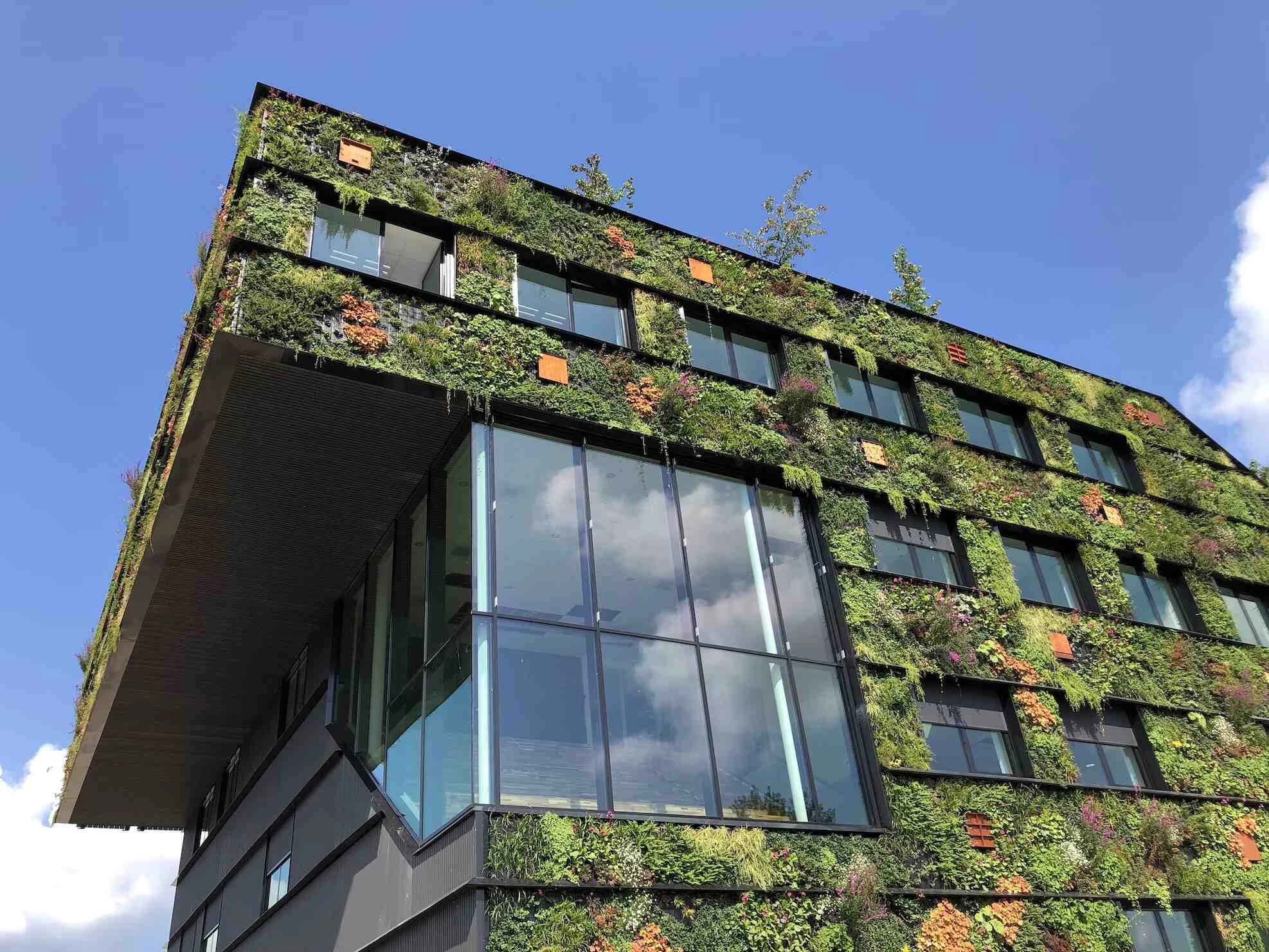
Explore the delicate balance between sustainability innovation and safety regulations in architectural design. Discover how architects create eco-friendly yet safe spaces.
Discover the latest seismic safety innovations for architects in the UK. Stay informed to design resilient structures in low-seismic-risk regions.
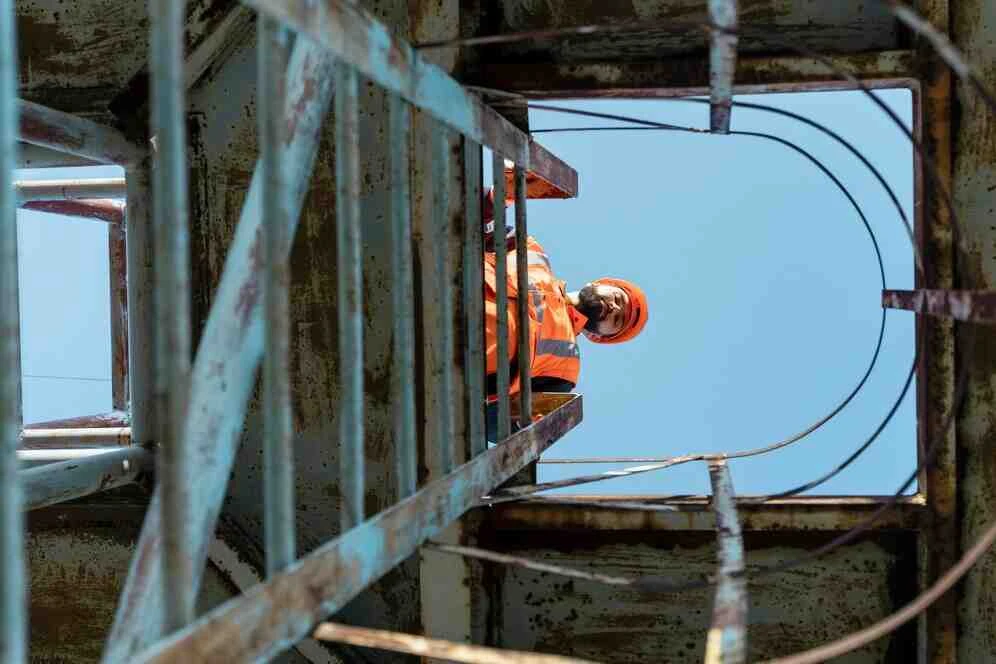
Explore fire safety in UK architecture. Learn about codes, fire-resistant materials, and design strategies to protect lives and property in architectural projects.
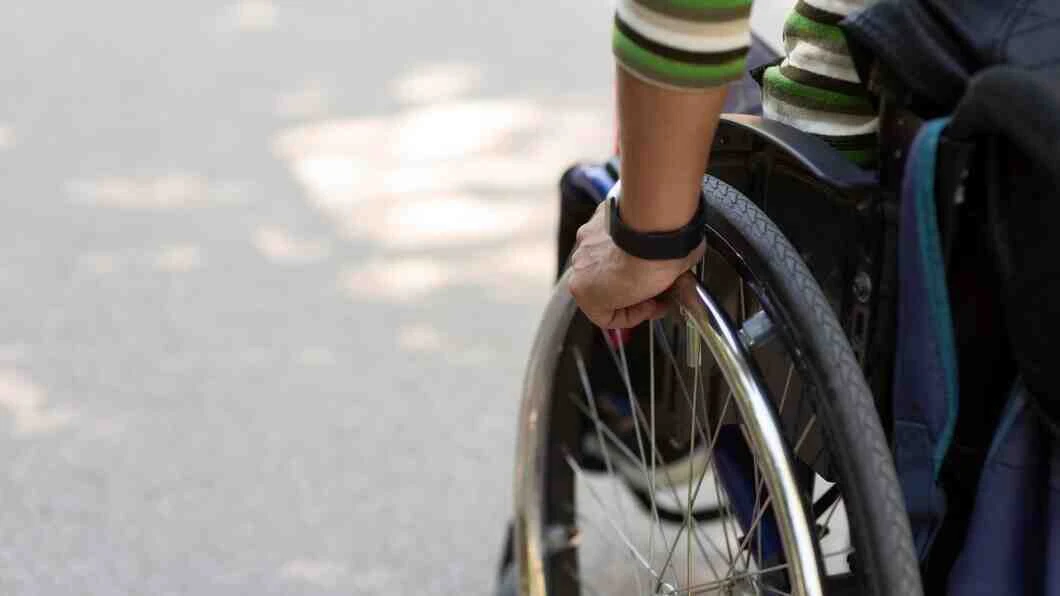
Discover the importance of designing inclusively in architecture. Learn how to meet the unique needs of disabled individuals and create accessible spaces for all.
Sign up to start winning an unlimited amount of jobs near you.


 Electrician
Gas Engineer
Electrician
Gas Engineer


Send more enquiries and explore your options
Increasing the number of potentials leads for you!
Have more control and flexibility over your finances!