


The Environmental Impact
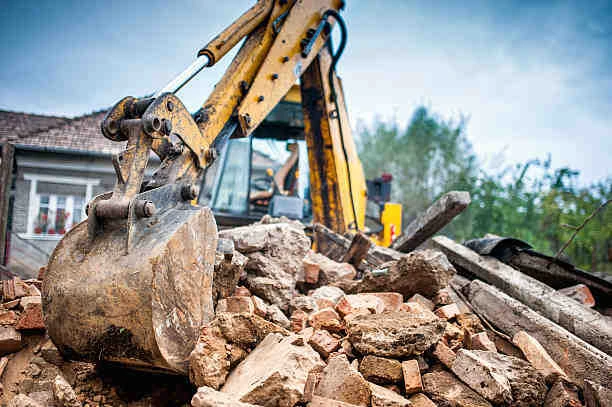
Demolition generates an immense amount of waste, including concrete, steel, wood, and other building materials. If not managed correctly, this can lead to serious environmental consequences. Some of the key environmental issues include:
Air Pollution: Dust and debris released into the air during demolition can contain harmful particles and contaminants, leading to air pollution. These pollutants can harm both the environment and public health.
Soil Contamination: Waste that is not disposed of properly can leach harmful chemicals and substances into the soil, affecting the quality and fertility of the land.
Water Pollution: Runoff from demolition sites can carry contaminants into nearby water bodies, endangering aquatic life and affecting drinking water sources.
Habitat Destruction: Improper demolition can also lead to habitat destruction, which can threaten local flora and fauna.
Greenhouse Gas Emissions: The energy used in demolition activities, waste transportation, and disposal contributes to greenhouse gas emissions.
Regulations and Legal Requirements
To address these environmental concerns, governments worldwide have established regulations and legal requirements for proper waste disposal in demolition projects. These laws vary by location, but they typically include the following:
Waste Management Plans: Demolition projects are often required to create detailed waste management plans. These plans outline how waste will be generated, collected, transported, and disposed of in an environmentally responsible manner.
Recycling and Reuse: Many regulations promote the recycling and reuse of construction and demolition materials whenever possible. This reduces the need for new resources and minimizes waste.
Hazardous Waste Management: Hazardous materials, such as asbestos, require special handling and disposal procedures to prevent health risks.
Emissions Control: Regulations may specify the use of dust control measures, such as water or dust suppressants, to reduce airborne pollutants.
Permit Requirements: Demolition projects often require permits to ensure compliance with environmental regulations.
Sustainable Practices in Demolition
To mitigate the environmental impact of demolition projects and comply with legal requirements, it is essential to adopt sustainable practices. Here are some key strategies:
Deconstruction vs. Demolition: Deconstruction involves carefully dismantling a building to salvage and reuse materials, reducing waste. It"s a more sustainable alternative to traditional demolition.
Recycling and Reuse: Salvage and recycle materials like concrete, wood, and metal for use in future projects. Many materials can be repurposed, saving resources and money.
Waste Sorting: On-site waste sorting helps to separate recyclables from non-recyclables, making it easier to dispose of waste responsibly.
Safe Handling of Hazardous Materials: Identify and handle hazardous materials with care, following all safety protocols to protect workers and the environment.
Dust and Emissions Control: Implement measures like water sprays and dust screens to control airborne pollutants and reduce the environmental impact.
Local Disposal: Whenever possible, use local waste disposal facilities to minimize transportation emissions.
Community Engagement: Engage with the local community to keep them informed about the project"s progress, safety measures, and environmental impact, fostering goodwill and cooperation.
Conclusion
Proper waste disposal in demolition projects is not just a legal requirement but a moral and environmental obligation. By adopting sustainable practices, we can minimize the negative impact of these necessary undertakings and contribute to a healthier, more sustainable future. As we continue to build and rebuild our cities and infrastructure, let"s make sure that our waste management practices reflect our commitment to a cleaner, greener world. Proper waste disposal is a small but significant step toward that goal, and it"s one we can"t afford to ignore.

Architects play a pivotal role in designing buildings that are not only aesthetically pleasing but also safe and functional. One of the crucial aspects of architectural design is ensuring compliance w...
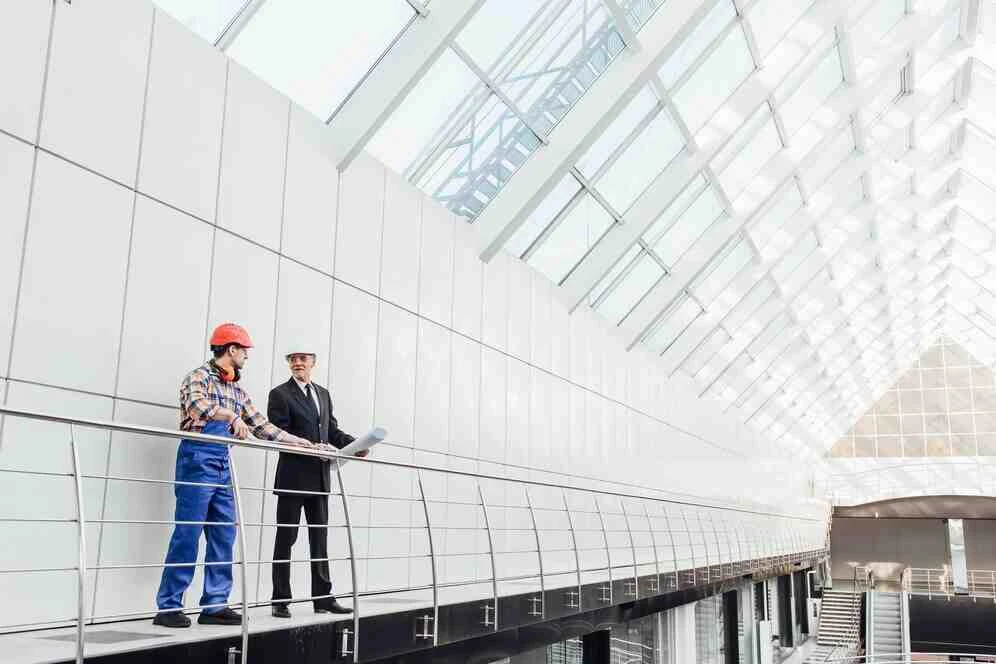
In the realm of architectural design, aesthetics, and functionality often take center stage. However, a paramount concern that should never be overlooked is safety. The safety of occupants and users i...
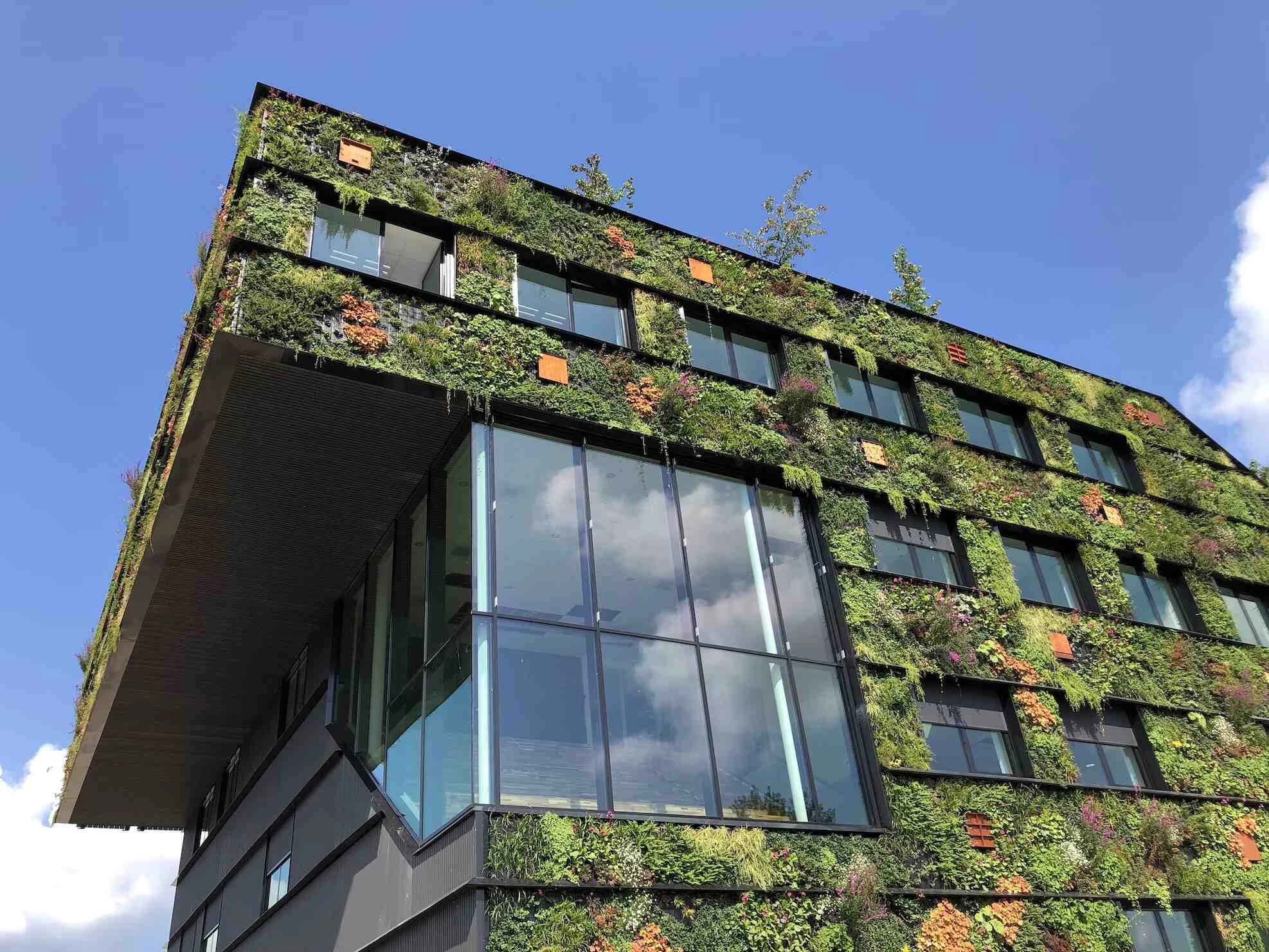
Explore the delicate balance between sustainability innovation and safety regulations in architectural design. Discover how architects create eco-friendly yet safe spaces.
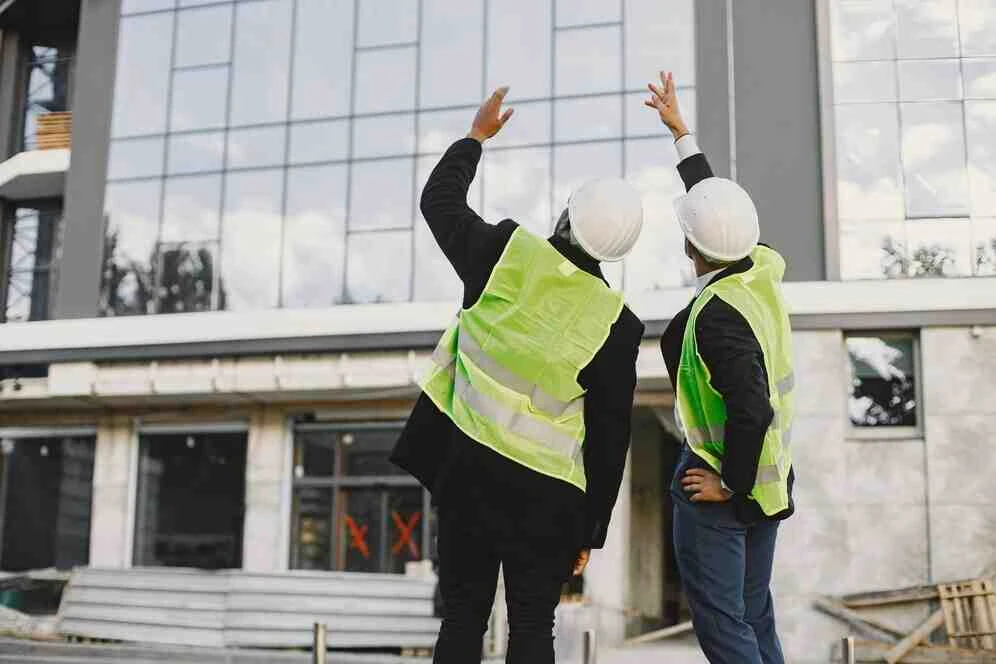
Discover the latest seismic safety innovations for architects in the UK. Stay informed to design resilient structures in low-seismic-risk regions.
Explore fire safety in UK architecture. Learn about codes, fire-resistant materials, and design strategies to protect lives and property in architectural projects.

Discover the importance of designing inclusively in architecture. Learn how to meet the unique needs of disabled individuals and create accessible spaces for all.
Sign up to start winning an unlimited amount of jobs near you.


 Electrician
Gas Engineer
Electrician
Gas Engineer


Send more enquiries and explore your options
Increasing the number of potentials leads for you!
Have more control and flexibility over your finances!