


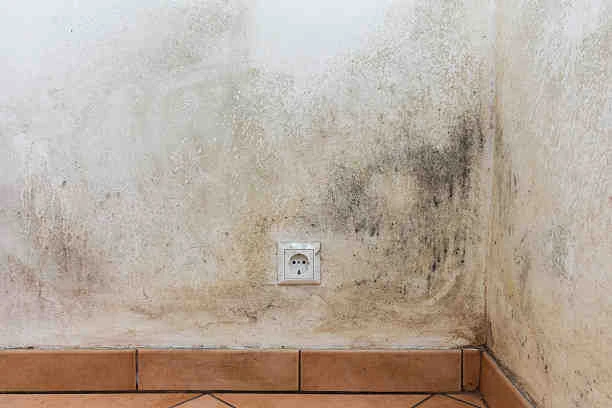
The Damp-Proofing Dilemma
Damp-proofing is a process aimed at preventing moisture from entering your home through its walls, floors, and foundation. It"s a vital step in maintaining the structural integrity of your home and safeguarding against various issues such as mold growth, wood rot, and deterioration of building materials. The most common methods for damp-proofing include the use of damp-proof membranes, damp-proof courses, and waterproof coatings.
However, these projects generate waste, which if not managed properly, can lead to environmental hazards, health risks, and even legal complications. To avoid these issues, it is essential to understand the significance of proper waste disposal in damp-proofing projects.
The Importance of Proper Waste Disposal
Environmental Impact
One of the primary reasons for proper waste disposal in damp-proofing projects is to minimize the environmental impact. Many of the materials used in damp-proofing, such as bitumen, waterproof coatings, and sealants, can be harmful if disposed of haphazardly. When these materials end up in landfills or are improperly discarded, they can contaminate the soil and water, potentially harming ecosystems and wildlife.
Health and Safety
Improper waste disposal can pose significant health and safety risks to workers and homeowners. Some damp-proofing materials contain hazardous substances that can release toxins when disposed of carelessly. These toxins can pollute the air and water, causing respiratory problems, skin irritations, and other health issues. Workers on the job site are particularly vulnerable to these risks.
Legal Compliance
Failure to dispose of waste properly during a damp-proofing project may lead to legal consequences. Many regions have strict regulations regarding waste disposal, and non-compliance can result in fines, penalties, or even project shutdowns. By following proper waste disposal procedures, you can ensure that your project remains compliant with local laws and regulations.
Tips for Proper Waste Disposal in Damp-Proofing Projects
Now that we understand the importance of proper waste disposal in damp-proofing projects, let"s explore some practical tips to help you manage waste efficiently and responsibly.
Plan Ahead
Before starting your damp-proofing project, develop a waste management plan. Identify the types of waste that will be generated, such as old materials, packaging, and disposable equipment. Create a designated waste disposal area on the job site to prevent waste from piling up and becoming a hazard.
Separate and Categorize Waste
Separate waste into different categories based on its type and potential hazards. This makes it easier to dispose of each type of waste properly. For example, segregate materials like contaminated soil, old damp-proofing materials, and disposable personal protective equipment (PPE).
Dispose of Hazardous Materials Safely
Hazardous materials should be handled with utmost care. Some damp-proofing products may contain toxic or flammable components. Consult the material safety data sheets (MSDS) and follow manufacturer recommendations for disposal. It may be necessary to arrange for the specialized disposal of hazardous waste through licensed professionals.
Recycling and Reusing
Whenever possible, recycle or reuse materials. Some old damp-proofing materials may still have value, and recycling reduces the environmental impact. Consult with local recycling centers to determine the options available for your specific materials.
Hire a Waste Management Service
Consider hiring a waste management service to handle waste disposal. These professionals are experienced in handling construction waste and ensuring its safe and responsible disposal. They can also help you remain compliant with local regulations.
Educate Workers
Ensure that all workers on your damp-proofing project are aware of proper waste disposal procedures. Provide training on handling hazardous materials and waste segregation. Promote a culture of environmental responsibility and safety on the job site.
Document Waste Disposal
Maintain accurate records of waste disposal activities. This documentation can be essential for proving compliance with local regulations and ensuring accountability throughout the project.
Conclusion
Damp-proofing is a critical aspect of home maintenance, but it should not come at the cost of the environment, health, or legal repercussions. Proper waste disposal in damp-proofing projects is not just a responsibility; it"s a necessity. By understanding the significance of responsible waste management and following the tips provided in this article, you can ensure that your damp-proofing project contributes to a cleaner and safer living environment for everyone. It"s a win-win for both your home and the planet.

Architects play a pivotal role in designing buildings that are not only aesthetically pleasing but also safe and functional. One of the crucial aspects of architectural design is ensuring compliance w...

In the realm of architectural design, aesthetics, and functionality often take center stage. However, a paramount concern that should never be overlooked is safety. The safety of occupants and users i...

Explore the delicate balance between sustainability innovation and safety regulations in architectural design. Discover how architects create eco-friendly yet safe spaces.

Discover the latest seismic safety innovations for architects in the UK. Stay informed to design resilient structures in low-seismic-risk regions.
Explore fire safety in UK architecture. Learn about codes, fire-resistant materials, and design strategies to protect lives and property in architectural projects.

Discover the importance of designing inclusively in architecture. Learn how to meet the unique needs of disabled individuals and create accessible spaces for all.
Sign up to start winning an unlimited amount of jobs near you.


 Electrician
Gas Engineer
Electrician
Gas Engineer


Send more enquiries and explore your options
Increasing the number of potentials leads for you!
Have more control and flexibility over your finances!