


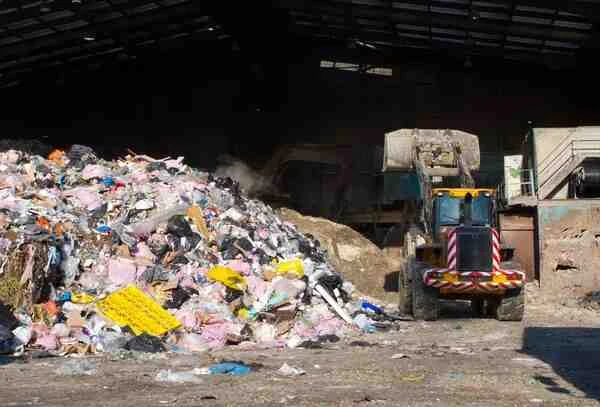
The Environmental Imperative
The construction industry has a significant environmental footprint, and conservatory projects are no exception. They involve the production and transportation of materials, energy consumption, and, of course, waste generation. To minimize the environmental impact, it is crucial to adopt sustainable practices, starting with proper waste disposal.
Waste Reduction
The first step towards responsible waste management in conservatory projects is waste reduction. Here are some tips to reduce waste:
Precise Planning: Create a detailed plan for your conservatory project to avoid overordering materials. Measure twice, order once.
Reuse Materials: Salvage and reuse materials from the existing structure or repurpose them in your new conservatory. This not only reduces waste but also adds character to your project.
Responsible Disposal
When it comes to disposing of waste generated during conservatory construction, the key is responsibility. Here"s what you need to keep in mind:
Separation of Waste: Categorize waste into recyclable, hazardous, and non-recyclable materials. This makes it easier for waste management companies to handle your waste responsibly.
Hazardous Materials: Hazardous materials like paint, solvents, or insulation should be disposed of according to local regulations. Do not pour them down drains or bury them.
Recycling: Recycle as much as possible. Glass, plastics, and metals can often be recycled, reducing the need for new resources.
Construction Site Recycling
A conservatory project provides a unique opportunity to recycle materials on-site. Consider these methods:
Concrete Recycling: Crushed concrete can be reused as a base for new construction, reducing the demand for new aggregates.
Wood Waste: Salvage and repurpose wood from the old structure, and any new wood scraps can be turned into mulch.
Sustainable Building Materials
Selecting sustainable materials for your conservatory can greatly reduce waste and environmental impact. Look for materials that are:
Locally Sourced: Locally sourced materials have a smaller carbon footprint due to reduced transportation.
Recyclable or Biodegradable: Choose materials that can be recycled or decomposed naturally, reducing long-term waste.
Low Maintenance: Materials that require minimal maintenance are more likely to last longer, further reducing waste in the long run.
Repurposing
Repurposing materials is not only environmentally friendly but also adds a unique touch to your conservatory. For example:
Old Windows: Use old windows to create decorative elements or dividers in your conservatory.
Reclaimed Furniture: Consider using reclaimed furniture or materials for a vintage, rustic look.
Natural Elements: Incorporate natural elements like stones, shells, or driftwood to add character and reduce waste.
Composting
Composting is a fantastic way to manage organic waste from your conservatory project. By composting, you can transform yard waste, organic matter, and even some construction waste into nutrient-rich soil for your conservatory plants.
Conclusion
Proper waste disposal in conservatory projects is not just about adhering to regulations; it"s about embracing a sustainable, eco-conscious approach to construction. By reducing waste, responsibly disposing of materials, recycling, and repurposing, you can create a beautiful, green space that is both environmentally friendly and harmonious with nature.
As you embark on your conservatory project, remember that conserving the environment can be as important as conserving the beauty within your glass walls. With the right strategies, you can create a space that is a testament to your commitment to a greener, more sustainable future. So, go ahead and make your conservatory project a beacon of eco-friendliness while basking in the serenity it provides.

Architects play a pivotal role in designing buildings that are not only aesthetically pleasing but also safe and functional. One of the crucial aspects of architectural design is ensuring compliance w...
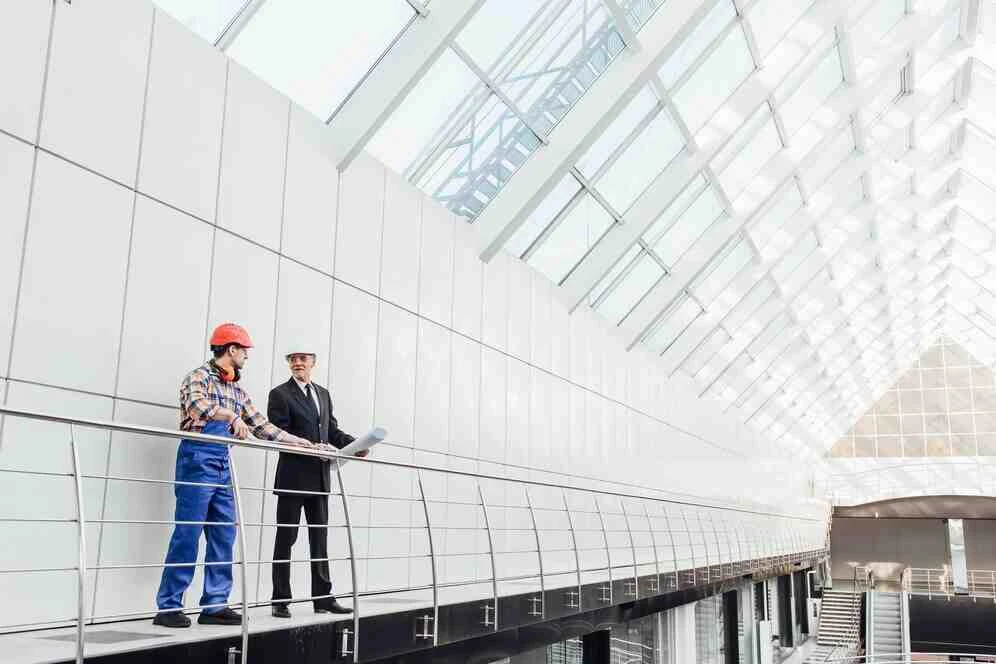
In the realm of architectural design, aesthetics, and functionality often take center stage. However, a paramount concern that should never be overlooked is safety. The safety of occupants and users i...
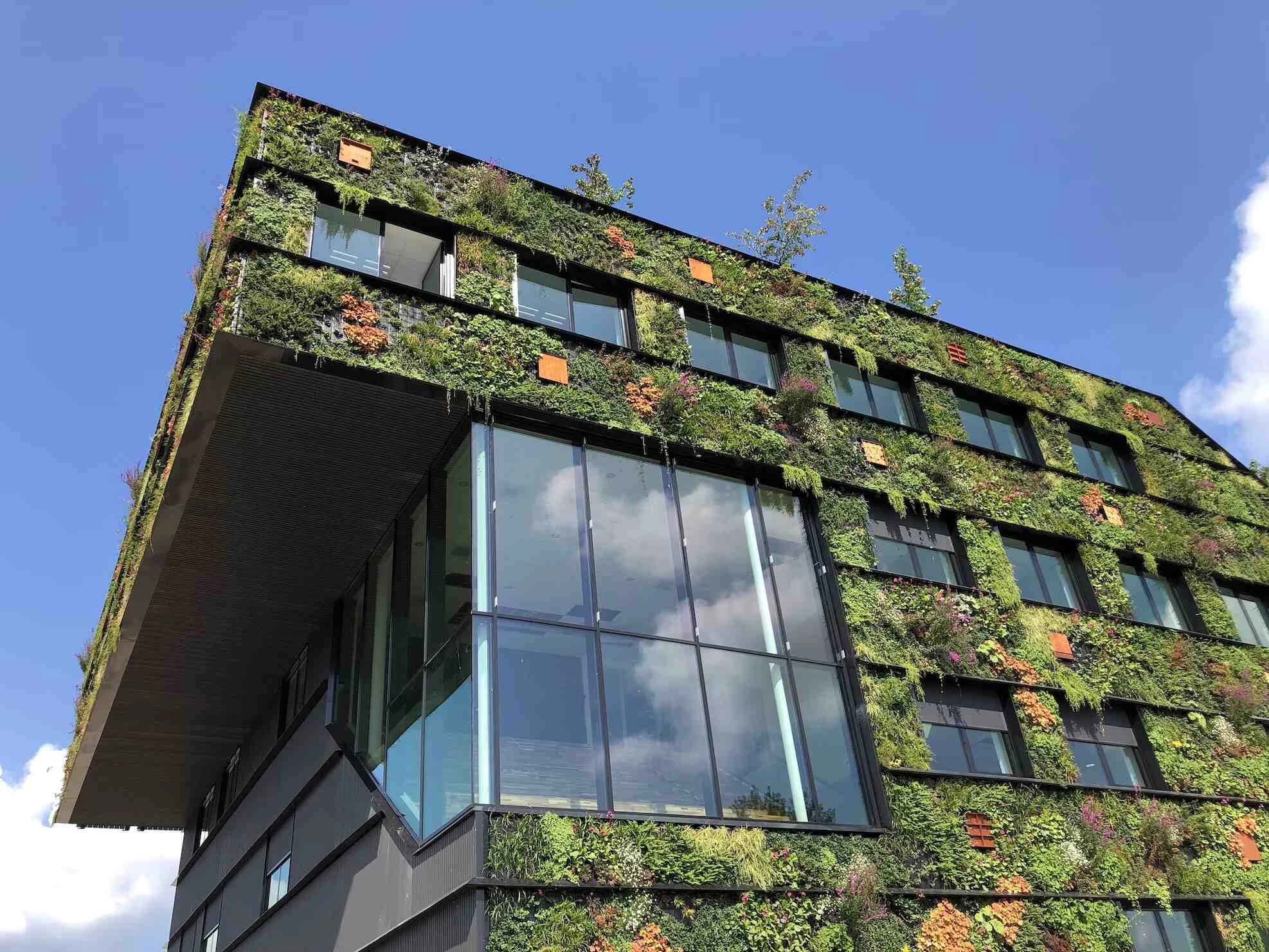
Explore the delicate balance between sustainability innovation and safety regulations in architectural design. Discover how architects create eco-friendly yet safe spaces.
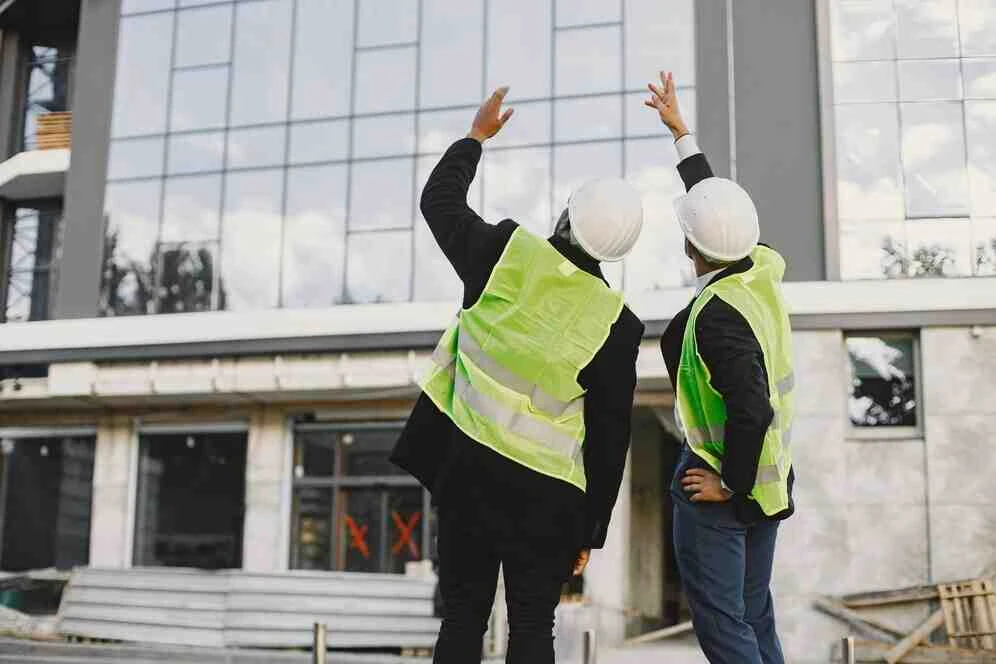
Discover the latest seismic safety innovations for architects in the UK. Stay informed to design resilient structures in low-seismic-risk regions.
Explore fire safety in UK architecture. Learn about codes, fire-resistant materials, and design strategies to protect lives and property in architectural projects.

Discover the importance of designing inclusively in architecture. Learn how to meet the unique needs of disabled individuals and create accessible spaces for all.
Sign up to start winning an unlimited amount of jobs near you.


 Electrician
Gas Engineer
Electrician
Gas Engineer


Send more enquiries and explore your options
Increasing the number of potentials leads for you!
Have more control and flexibility over your finances!