

### The Importance of Proper Waste Disposal
Proper waste disposal in bathroom projects is essential for several reasons:
1. **Environmental Responsibility**: Disposing of waste improperly can harm the environment by contaminating soil and water sources. Responsible waste management reduces these negative impacts.
2. **Health and Safety**: Certain waste materials, such as hazardous chemicals or asbestos-containing materials, can pose health risks if not disposed of correctly. Proper disposal protects the health of workers and the public.
3. **Compliance with Regulations**: Many jurisdictions have strict regulations regarding waste disposal. Failing to comply with these regulations can result in legal consequences, including fines and liabilities.
4. **Resource Conservation**: Recycling and reusing materials from bathroom projects can help conserve valuable resources and reduce the demand for new raw materials.
### Waste Categories in Bathroom Projects
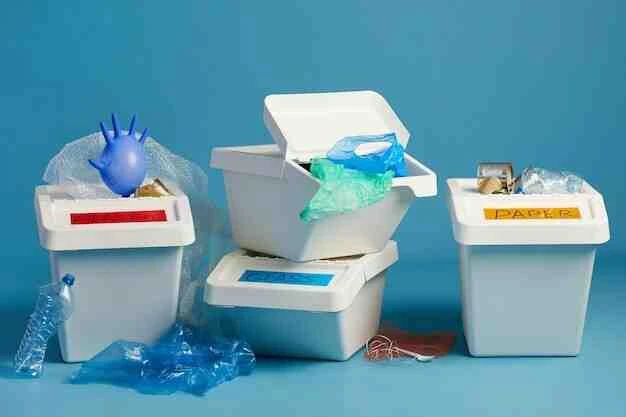
Bathroom projects generate various types of waste materials, which can be categorized as follows:
1. **Construction and Demolition Debris**: This includes materials like old tiles, drywall, plaster, concrete, and discarded fixtures.
2. **Hazardous Waste**: Some bathroom projects may involve hazardous materials, such as lead-based paint, asbestos-containing materials, or chemicals used in cleaning or adhesives.
3. **Electronic Waste (E-Waste)**: E-Waste includes old fixtures like electronic faucets, mirrors with built-in lighting, or ventilation systems.
4. **Non-Recyclable Waste**: Common non-recyclable waste from bathroom projects includes packaging materials, disposable personal protective equipment (PPE), and general trash.
### Managing Waste Effectively
To ensure proper waste disposal in your bathroom projects, consider these best practices:
1. **Segregation**: Separate waste materials into categories, such as construction debris, hazardous waste, e-waste, and non-recyclable waste. Keep each type of waste isolated to prevent contamination.
2. **Hazardous Waste Handling**: If your project involves hazardous materials, follow strict safety protocols. Hire certified professionals to handle hazardous waste, such as asbestos or lead-based paint, and dispose of it according to local regulations.
3. **Recycling**: Whenever possible, recycle materials like glass, metal, and certain plastics. Many fixtures, faucets, and bathroom accessories can be recycled through appropriate programs.
4. **Reuse**: Consider reusing fixtures or materials that are in good condition. For example, old bathroom vanities can be refinished and repurposed.
5. **Donation**: If fixtures or materials are still functional but no longer needed, consider donating them to organizations or individuals in need.
6. **Disposal Facilities**: Identify and use approved disposal facilities for different types of waste. Construction and demolition debris may require disposal at specific facilities, while hazardous waste should be taken to specialized centers.
7. **Proper Containerization**: Ensure that waste materials are properly containerized, labeled, and sealed to prevent leaks or spills during transportation.
8. **Documentation**: Maintain records of waste disposal, including receipts and certificates of disposal for hazardous materials. This documentation can be valuable for compliance and liability purposes.
### Compliance with Regulations
Local, state, and federal regulations may govern waste disposal in bathroom projects. Familiarize yourself with these regulations and obtain any necessary permits or licenses to ensure compliance.
### Conclusion
Proper waste disposal in bathroom projects is an essential aspect of responsible construction and renovation. By segregating waste, handling hazardous materials safely, recycling, reusing, donating, and using approved disposal facilities, you can minimize environmental impact, protect public health, and meet legal requirements.
Remember that proper waste management is not only a legal obligation but also a moral and environmental responsibility. Taking these steps will help safeguard the environment, conserve resources, and contribute to the well-being of your community.

Architects play a pivotal role in designing buildings that are not only aesthetically pleasing but also safe and functional. One of the crucial aspects of architectural design is ensuring compliance w...
In the realm of architectural design, aesthetics, and functionality often take center stage. However, a paramount concern that should never be overlooked is safety. The safety of occupants and users i...
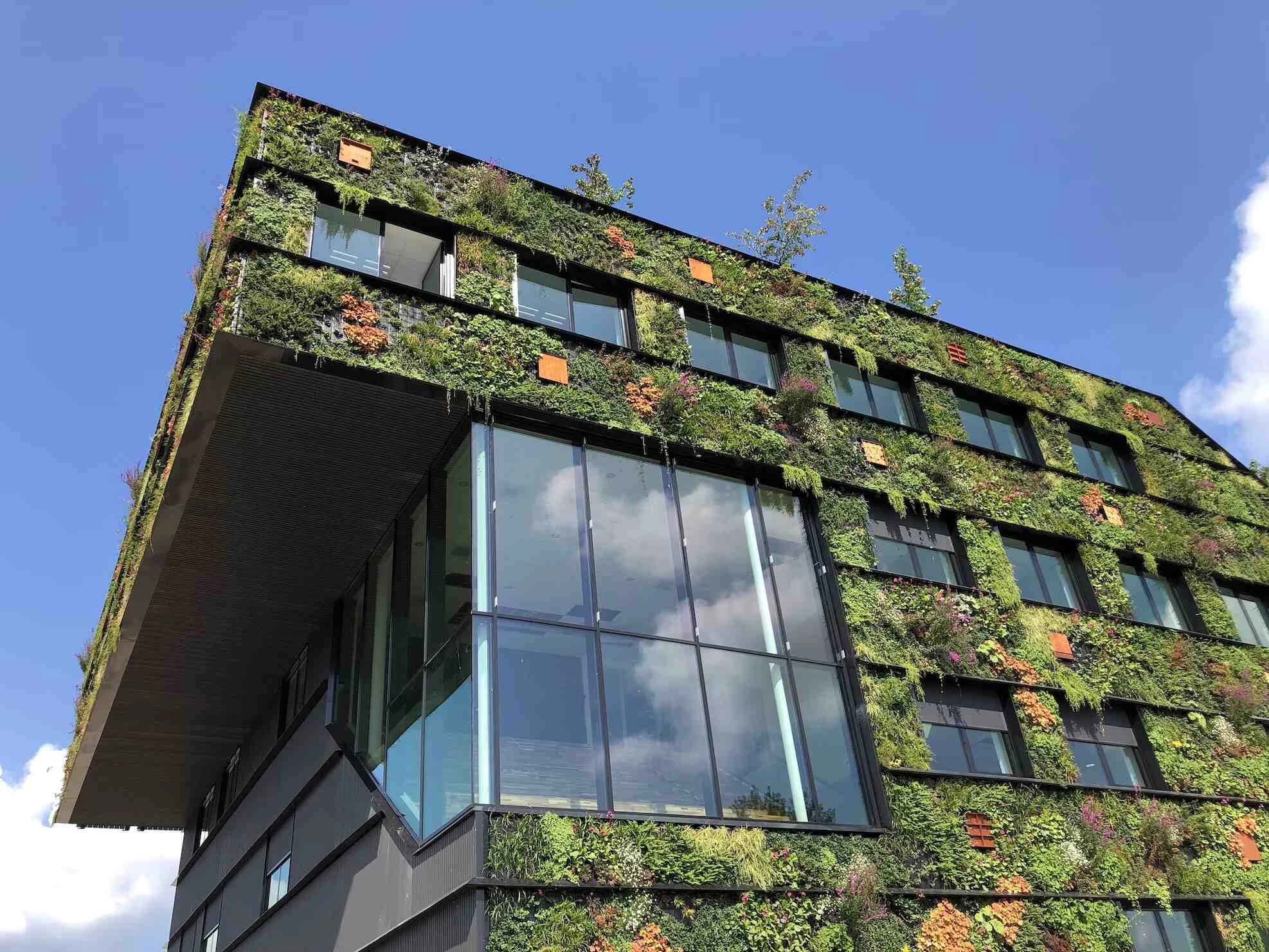
Explore the delicate balance between sustainability innovation and safety regulations in architectural design. Discover how architects create eco-friendly yet safe spaces.
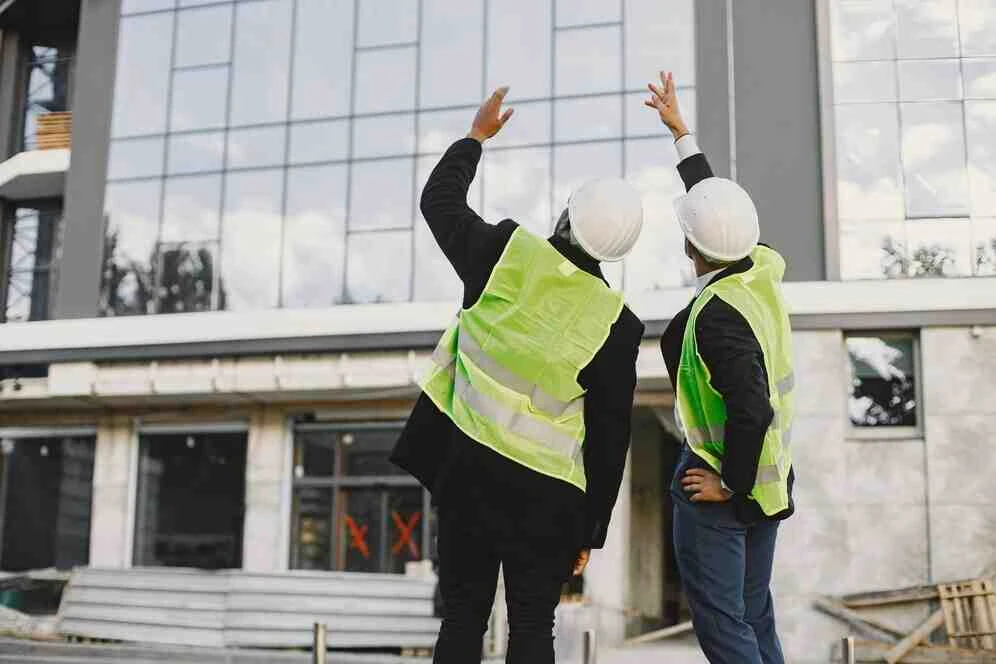
Discover the latest seismic safety innovations for architects in the UK. Stay informed to design resilient structures in low-seismic-risk regions.
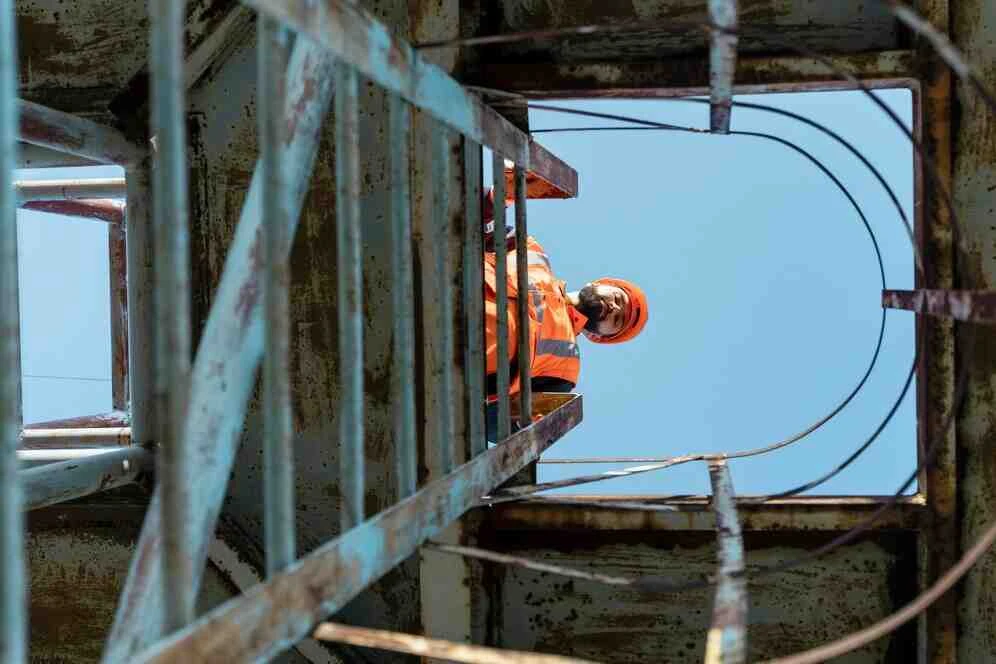
Explore fire safety in UK architecture. Learn about codes, fire-resistant materials, and design strategies to protect lives and property in architectural projects.
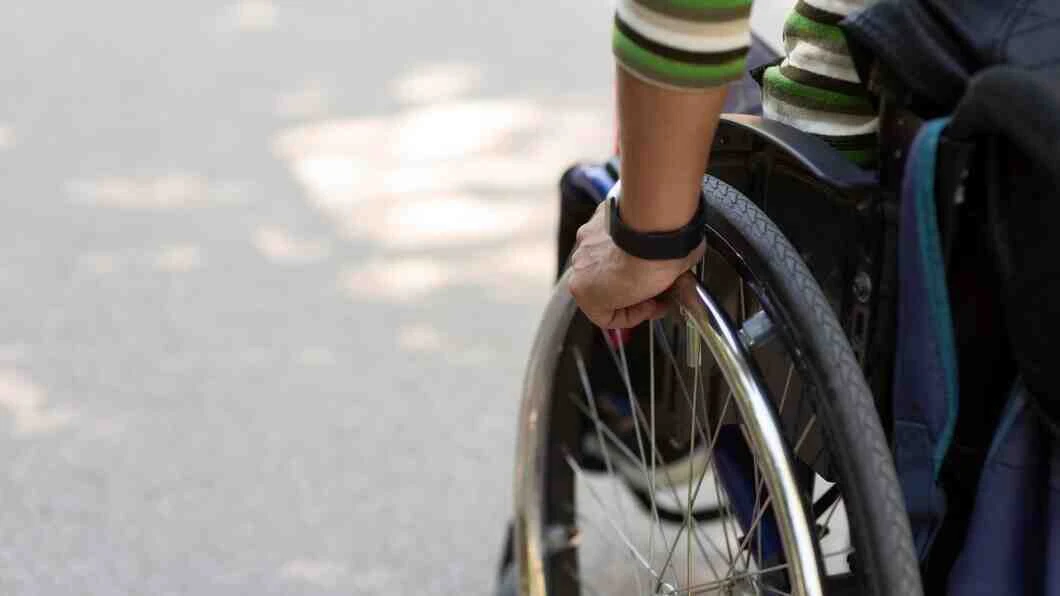
Discover the importance of designing inclusively in architecture. Learn how to meet the unique needs of disabled individuals and create accessible spaces for all.
Sign up to start winning an unlimited amount of jobs near you.


 Electrician
Gas Engineer
Electrician
Gas Engineer


Send more enquiries and explore your options
Increasing the number of potentials leads for you!
Have more control and flexibility over your finances!