


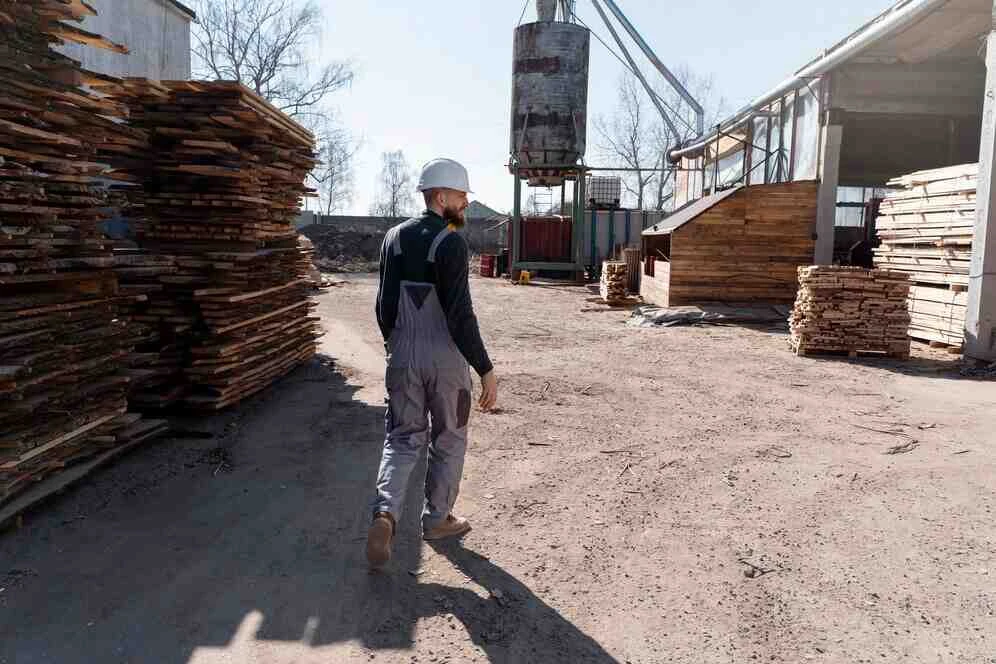
Section 1: Understanding the Types of Flooring Materials
Before delving into proper disposal methods, let"s take a closer look at the most common types of flooring materials and their ecological footprint:
Hardwood Flooring:
Known for its durability and timeless beauty, hardwood flooring is typically sourced from trees like oak, maple, and cherry.
The environmental impact varies depending on the sourcing and harvesting practices. Sustainable options like FSC-certified hardwoods are available.
Laminate Flooring:
Laminate flooring replicates the look of hardwood but is composed of synthetic materials, including particleboard and a photographic layer.
The production of laminate flooring can involve the use of chemicals and emit volatile organic compounds (VOCs).
Carpet Flooring:
Carpets are made from various materials, including natural fibers like wool and synthetic materials like nylon and polyester.
The disposal of old carpets can pose challenges due to their non-biodegradable nature and potential for releasing harmful chemicals when incinerated.
Tile Flooring:
Tile materials can range from natural stone to ceramics and porcelain.
The extraction of natural stone can have environmental consequences, while ceramic and porcelain tiles are more eco-friendly options.
Section 2: The Environmental Impact of Flooring Materials
To make informed decisions about flooring materials and their disposal, it"s essential to understand their environmental impact:
Resource Depletion:
Harvesting hardwoods and extracting natural stones can lead to deforestation and habitat destruction.
Energy Consumption:
The production of synthetic flooring materials like laminate and vinyl consumes substantial energy.
Emissions:
Some flooring materials release harmful chemicals into the air, contributing to indoor air pollution.
Non-Biodegradability:
Many flooring materials, including synthetic carpets and laminate, do not decompose naturally, adding to landfill waste.
Section 3: Sustainable Flooring Options
Choosing sustainable flooring materials can reduce your environmental footprint and simplify the disposal process. Consider these eco-friendly options:
Bamboo Flooring:
Bamboo is a rapidly renewable resource that matures in just a few years.
It"s an excellent alternative to hardwood flooring and can be disposed of responsibly.
Cork Flooring:
Cork is harvested from the bark of cork oak trees, which regenerate after harvesting.
It"s a natural, biodegradable material that"s also resilient and comfortable underfoot.
Recycled Content Flooring:
Some manufacturers offer flooring materials made from recycled content, reducing the need for virgin resources.
Section 4: Proper Disposal Methods
Now that we"ve explored the types of flooring materials and their environmental impact, let"s discuss how to dispose of them responsibly:
Recycling:
Some flooring materials, like carpet and vinyl, can be recycled.
Check with local recycling centers to determine if they accept these materials.
Reuse:
If your flooring is still in good condition, consider donating it to organizations or individuals in need.
Professional Removal:
Hire professionals to remove and dispose of flooring materials safely, ensuring they adhere to local regulations.
Hazardous Waste Facilities:
For flooring materials that contain hazardous chemicals, such as some adhesives and finishes, dispose of them at designated hazardous waste facilities.
Landfill:
As a last resort, dispose of flooring materials in landfills following local guidelines.
Conclusion
Proper disposal of flooring materials is an often overlooked aspect of sustainable living and responsible home improvement. By understanding the environmental impact of different flooring types, choosing eco-friendly options, and following best practices for disposal, you can contribute to a greener future while enjoying beautiful, functional living spaces. Make conscious choices today to leave a positive legacy for generations to come.
8-888888888888888888888888888888888888888888888888888888888888888888888888888888888888888888888888888888888888888888888888888888888888888888888888888888888888888888888888888888888888888888888888888888888888888888888888888888888888888888888888888888888888888888888888888

Architects play a pivotal role in designing buildings that are not only aesthetically pleasing but also safe and functional. One of the crucial aspects of architectural design is ensuring compliance w...

In the realm of architectural design, aesthetics, and functionality often take center stage. However, a paramount concern that should never be overlooked is safety. The safety of occupants and users i...
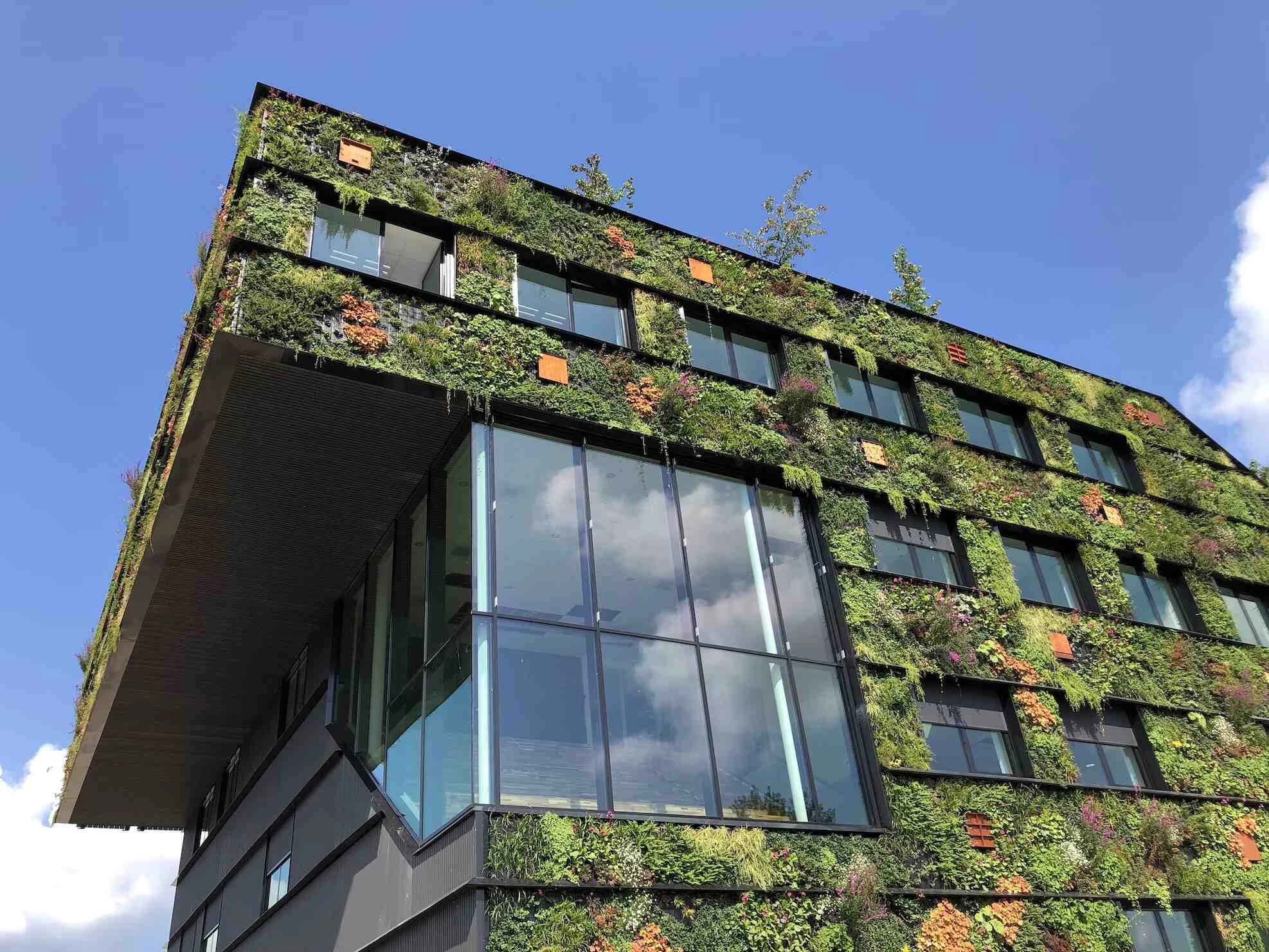
Explore the delicate balance between sustainability innovation and safety regulations in architectural design. Discover how architects create eco-friendly yet safe spaces.

Discover the latest seismic safety innovations for architects in the UK. Stay informed to design resilient structures in low-seismic-risk regions.

Explore fire safety in UK architecture. Learn about codes, fire-resistant materials, and design strategies to protect lives and property in architectural projects.

Discover the importance of designing inclusively in architecture. Learn how to meet the unique needs of disabled individuals and create accessible spaces for all.
Sign up to start winning an unlimited amount of jobs near you.


 Electrician
Gas Engineer
Electrician
Gas Engineer


Send more enquiries and explore your options
Increasing the number of potentials leads for you!
Have more control and flexibility over your finances!