


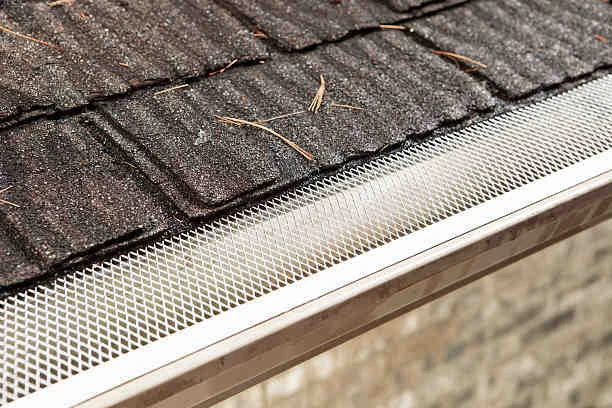
The Role of Gutters
Gutters are an integral part of a home"s roofing system, designed to collect and channel rainwater away from the house. Here are the key functions they serve:
1. **Rainwater Diversion**: Gutters collect rainwater that falls on the roof and direct it away from the home"s foundation. This prevents water from pooling around the perimeter, which can lead to soil erosion and foundation damage.
2. **Preventing Erosion**: When it rains, water can wash away soil and landscaping near the foundation. Gutters ensure that water is diverted safely to designated drainage areas, preserving the integrity of the landscaping and preventing erosion.
3. **Foundation Protection**: Excessive moisture around the foundation can lead to cracks and weaken the structural integrity of your home. By channeling rainwater away from the foundation, gutters help maintain the stability of the building.
4. **Preventing Basement Flooding**: Properly functioning gutters significantly reduce the risk of basement flooding. When rainwater is not diverted, it can seep into the basement, causing water damage and mold growth.
5. **Preserving Siding and Exterior**: Rainwater can splash dirt and debris onto the exterior of your home, leading to unsightly stains and rot. Gutters keep the siding and exterior surfaces cleaner and in better condition.
6. **Preventing Roof Damage**: Gutters also play a role in protecting your roof. They prevent water from pooling on the roof"s surface, which can lead to rot, leaks, and other structural issues.
Maintenance is Key
While gutters are a powerful tool in preventing water damage, they can only perform effectively if they are well-maintained. Regular maintenance is essential, including:
1. **Clearing Debris**: Gutters can become clogged with leaves, twigs, and other debris. Regularly clear these obstructions to ensure water can flow freely.
2. **Inspecting for Damage**: Check your gutters for damage such as cracks, holes, or loose connections. Repair or replace damaged sections promptly to maintain their effectiveness.
3. **Cleaning**: Gutters should be cleaned at least twice a year, typically in spring and fall. Regular cleaning prevents clogs and ensures that they work correctly.
4. **Checking the Slope**: Gutters should have a slight slope towards the downspouts to ensure proper drainage. Make sure they are correctly aligned and adjust the slope if necessary.
5. **Downspout Maintenance**: Ensure that downspouts are not clogged and are directing water away from the foundation. Consider installing downspout extensions to guide water even farther from the house.
Installing Gutters
If your home does not have gutters or if your existing ones are in poor condition, it"s essential to consider professional installation. Here are the steps to consider when installing gutters:
1. **Assessment**: A professional will assess your home to determine the optimal gutter system for your needs.
2. **Material Choice**: Choose the most suitable gutter material for your home, such as aluminum, steel, or vinyl.
3. **Size and Style**: Select the appropriate gutter size and style that complements your home"s architecture.
4. **Proper Installation**: Ensure that the gutters are correctly installed, with the right slope, hangers, and downspout placement.
Conclusion
Gutters are an essential element in preventing water damage and preserving the structural integrity of your home. By directing rainwater away from your house, they protect the foundation, siding, roof, and landscaping. Regular maintenance and proper installation are critical in ensuring that your gutters function effectively. Investing in well-maintained gutters is a cost-effective way to safeguard your home from water-related issues and maintain its value and appeal for years to come.
Your home is not just a place to live; it"s an expression of your personality and style. One of the most exciting aspects of homeownership is choosing the architectural style that best reflects your t...

Selecting the right architect is a pivotal step in ensuring the success of your construction project, whether it"s a commercial venture or a home improvement project. Architects play a crucial role in...

Architectural design is a complex and creative process that transforms ideas and concepts into tangible structures that shape our built environment. Whether it"s a stunning skyscraper, a sustainable h...

Embarking on an architectural project, whether it"s designing your dream home, renovating a commercial space, or constructing a public building, demands meticulous financial planning. Budgeting is a c...

In an era where environmental concerns are at the forefront of our global consciousness, the concept of sustainable architecture has gained significant traction. Sustainable architecture, often referr...
Embarking on a home improvement project can be an exciting but challenging endeavor. When it comes to significant changes, two primary options often come to mind: renovating your existing home or buil...
Sign up to start winning an unlimited amount of jobs near you.


 Electrician
Gas Engineer
Electrician
Gas Engineer


Send more enquiries and explore your options
Increasing the number of potentials leads for you!
Have more control and flexibility over your finances!