


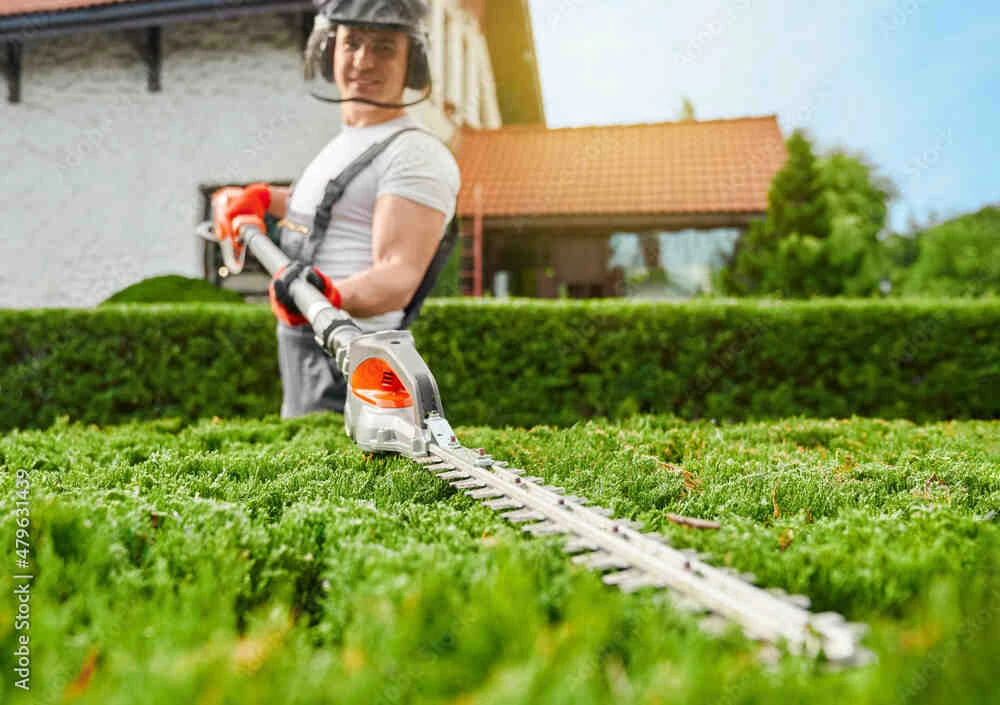
### Identifying Hazardous Materials
Before delving into safety measures, it"s essential to know which materials are considered hazardous in landscaping. These can include:
1. **Chemicals**: Pesticides, herbicides, fertilizers, and cleaning agents can contain harmful substances that require careful handling.
2. **Building Materials**: Some construction materials like treated wood, asbestos, and lead-based paints can pose risks during landscaping and demolition.
3. **Waste Materials**: Debris, old landscape materials, and excavation waste may contain hazardous components.
4. **Petroleum Products**: Gasoline, diesel, and motor oil used in power equipment can be hazardous if not managed properly.
### Safety Measures for Handling Hazardous Materials
1. **Training and Education**
Before beginning any landscaping project, ensure your team is adequately trained on the proper handling, storage, and disposal of hazardous materials. This includes recognizing warning labels and understanding Material Safety Data Sheets (MSDS).
2. **Personal Protective Equipment (PPE)**
Provide your team with appropriate PPE, such as gloves, goggles, respirators, and protective clothing, as required by the specific material. Ensure they use PPE consistently to reduce exposure risks.
3. **Storage and Labeling**
Store hazardous materials in dedicated areas away from children, pets, and high-traffic zones. Keep materials properly labeled and in their original containers to prevent confusion and accidental misuse.
4. **Proper Disposal**
Develop a clear plan for the proper disposal of hazardous materials and waste. Follow local, state, and federal regulations for disposal methods. Work with certified waste disposal companies when necessary.
5. **Spill Response Plan**
Establish a spill response plan for handling accidental spills of hazardous materials. Ensure that your team knows the appropriate steps to take in case of a spill, including notifying supervisors and implementing containment measures.
6. **Ventilation**
When working with materials that emit fumes or dust, ensure that the workspace is well-ventilated to reduce the risk of inhalation exposure. Consider using respirators or dust masks when necessary.
7. **Minimize Contact**
Reduce direct contact with hazardous materials as much as possible. For example, use tools and equipment for application rather than handling chemicals directly.
8. **Regular Inspections**
Conduct routine inspections to check for leaks, damage, or improper storage of hazardous materials. Address any issues immediately to prevent accidents or contamination.
9. **Communication**
Maintain open communication with your team, clients, and suppliers regarding the handling of hazardous materials. Be transparent about the materials used in your projects and the safety precautions in place.
10. **Emergency Response**
Have a well-defined emergency response plan in case of accidents or exposures to hazardous materials. This should include procedures for first aid, contacting emergency services, and notifying relevant authorities.
Conclusion
Handling hazardous materials in landscape projects is a serious responsibility. Proper management of these materials is not only crucial for the safety of your team and clients but also for protecting the environment. By following safety measures and regulations, you can ensure that your landscaping projects are not only aesthetically pleasing but also conducted in an environmentally responsible and safe manner. Ultimately, responsible handling of hazardous materials is an essential component of sustainable and ethical landscaping practices.

Architects play a pivotal role in designing buildings that are not only aesthetically pleasing but also safe and functional. One of the crucial aspects of architectural design is ensuring compliance w...
In the realm of architectural design, aesthetics, and functionality often take center stage. However, a paramount concern that should never be overlooked is safety. The safety of occupants and users i...
Explore the delicate balance between sustainability innovation and safety regulations in architectural design. Discover how architects create eco-friendly yet safe spaces.
Discover the latest seismic safety innovations for architects in the UK. Stay informed to design resilient structures in low-seismic-risk regions.
Explore fire safety in UK architecture. Learn about codes, fire-resistant materials, and design strategies to protect lives and property in architectural projects.

Discover the importance of designing inclusively in architecture. Learn how to meet the unique needs of disabled individuals and create accessible spaces for all.
Sign up to start winning an unlimited amount of jobs near you.


 Electrician
Gas Engineer
Electrician
Gas Engineer


Send more enquiries and explore your options
Increasing the number of potentials leads for you!
Have more control and flexibility over your finances!