

The Importance of Managing Risk and Liability
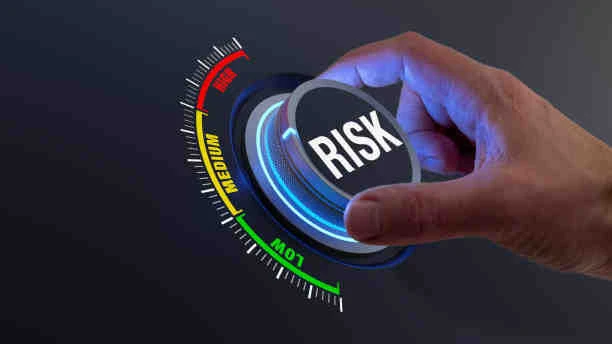
Extension projects involve various stakeholders, diverse activities, and a range of potential risks. Managing these risks and liabilities is crucial for several reasons:
1. **Protecting Stakeholders:** It is essential to safeguard the well-being and interests of all parties involved, including project staff, farmers, and the organization itself.
2. **Legal Compliance:** Extension projects must adhere to local, state, and federal regulations. Failure to manage risk effectively can lead to legal issues, fines, and reputational damage.
3. **Financial Stability:** Managing risk and liability helps ensure financial stability by preventing costly accidents, disputes, and damage to assets.
4. **Maintaining Reputation:** A good reputation is essential for the success of any extension project. Effective risk management can help maintain the trust of the community and stakeholders.
Common Sources of Risk in Extension Projects
1. **Environmental Factors:** Weather conditions, natural disasters, and climate-related events can significantly impact agricultural projects.
2. **Regulatory Compliance:** Adhering to various local, state, and federal regulations is challenging and comes with the risk of non-compliance.
3. **Human Resources:** Employee training, safety, and turnover are potential sources of risk.
4. **Data and Cybersecurity:** The digitalization of extension projects exposes them to data breaches and cybersecurity threats.
5. **Financial Risks:** Budget overruns, economic fluctuations, and funding challenges can jeopardize project success.
Strategies for Managing Risk and Liability
1. **Risk Assessment:** Begin by identifying potential risks and their impact on the project. Conduct a comprehensive risk assessment to prioritize and understand the risks involved.
2. **Legal and Regulatory Compliance:** Stay up-to-date with all relevant regulations and standards. Implement policies and procedures to ensure compliance, and regularly review and update them as necessary.
3. **Insurance:** Purchase appropriate insurance coverage to protect against potential liabilities. Coverage may include liability insurance, property insurance, and cyber liability insurance.
4. **Safety Training:** Prioritize safety training for project staff, including first aid and emergency response training. Ensure that equipment and machinery are maintained and inspected regularly.
5. **Contractual Agreements:** Develop clear and comprehensive contractual agreements with all project stakeholders, outlining responsibilities, deliverables, and dispute resolution processes.
6. **Data Security:** Implement robust data security measures, including encryption, access control, and regular data backups. Train staff on data security best practices to minimize the risk of data breaches.
7. **Financial Management:** Carefully manage the project budget, create contingency plans, and monitor financial risks closely. This includes accounting for economic fluctuations and cost overruns.
8. **Regular Evaluation:** Continuously assess and reassess the risks associated with the project. Implement a system for regular risk evaluation and mitigation.
Conclusion
Managing risk and liability in extension projects is an ongoing and vital process that ensures the project"s success and the well-being of all stakeholders involved. By proactively identifying, addressing, and mitigating risks, extension projects can not only protect their interests but also enhance their reputation and long-term sustainability. In an ever-changing environment, effective risk management remains a cornerstone of successful extension projects in agriculture and beyond.

Architects play a pivotal role in designing buildings that are not only aesthetically pleasing but also safe and functional. One of the crucial aspects of architectural design is ensuring compliance w...

In the realm of architectural design, aesthetics, and functionality often take center stage. However, a paramount concern that should never be overlooked is safety. The safety of occupants and users i...

Explore the delicate balance between sustainability innovation and safety regulations in architectural design. Discover how architects create eco-friendly yet safe spaces.
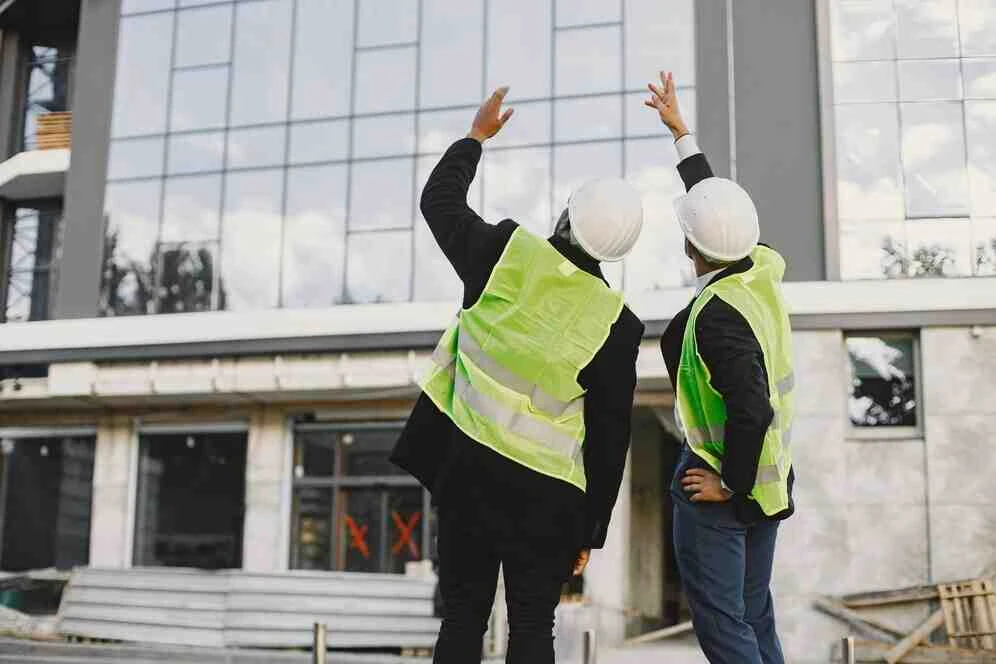
Discover the latest seismic safety innovations for architects in the UK. Stay informed to design resilient structures in low-seismic-risk regions.
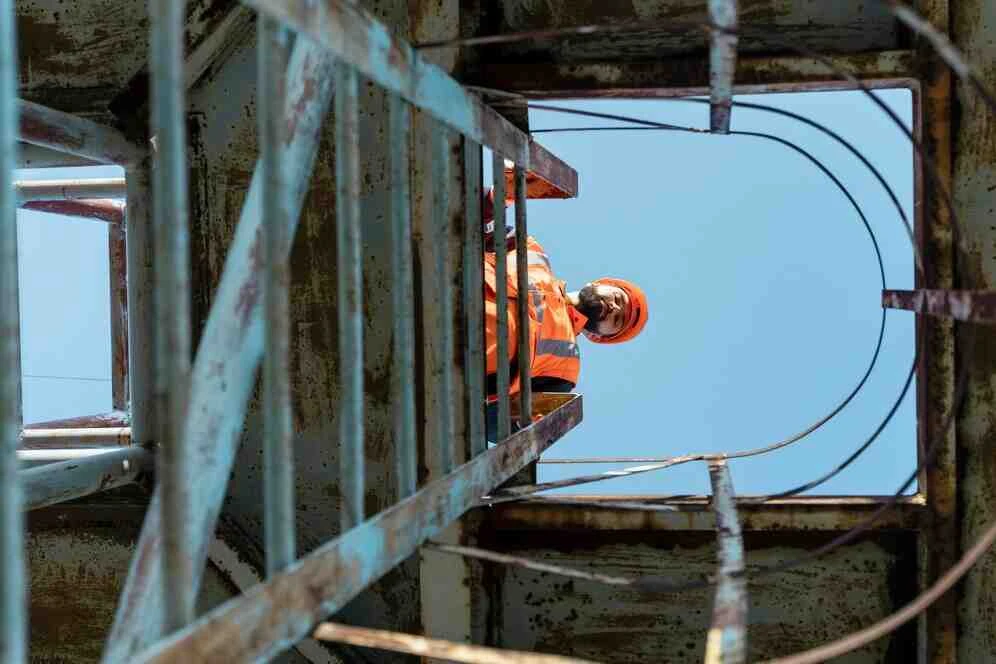
Explore fire safety in UK architecture. Learn about codes, fire-resistant materials, and design strategies to protect lives and property in architectural projects.

Discover the importance of designing inclusively in architecture. Learn how to meet the unique needs of disabled individuals and create accessible spaces for all.
Sign up to start winning an unlimited amount of jobs near you.


 Electrician
Gas Engineer
Electrician
Gas Engineer


Send more enquiries and explore your options
Increasing the number of potentials leads for you!
Have more control and flexibility over your finances!