

The Importance of Proper Heating Installation
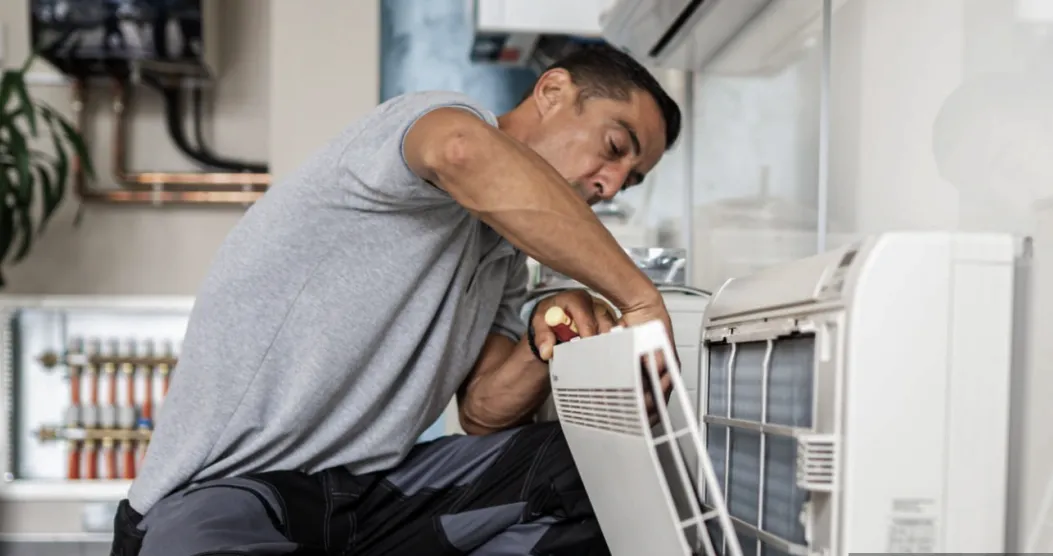
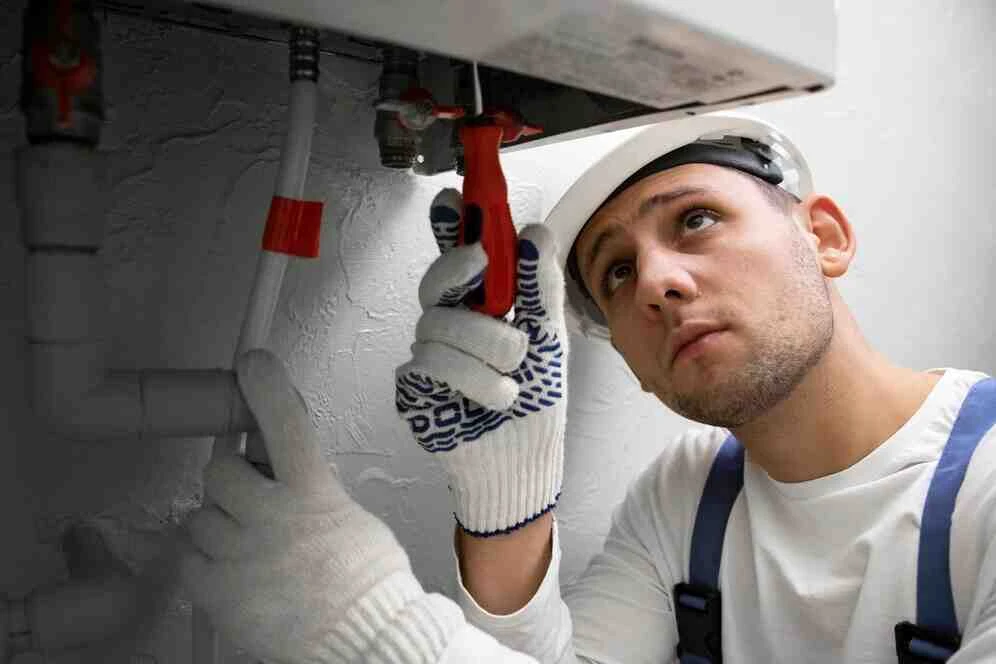
Before we dive into the nitty-gritty of risk management and liability, let"s first emphasize the significance of proper heating installation. A heating system that is installed correctly not only provides comfort and convenience but also ensures safety and energy efficiency. Here are some reasons why getting your heating installation right is paramount:
1. Safety
Safety should always be the top priority when it comes to heating installations. An improperly installed heating system can pose various risks, such as carbon monoxide leaks, fires, or explosions. Proper installation includes ensuring adequate ventilation and following manufacturer guidelines.
2. Efficiency
A well-installed heating system operates efficiently, reducing energy consumption and, consequently, your heating bills. In contrast, a poorly installed system can waste energy, increasing your costs and carbon footprint.
3. Longevity
Proper installation can extend the lifespan of your heating system. Regular maintenance can help, but a solid foundation during installation sets the stage for long-term performance.
Identifying Potential Risks in Heating Installations
Now that we understand the importance of proper heating installation, let"s explore the potential risks that can arise during the process. By identifying these risks, we can take steps to mitigate them effectively.
1. Inadequate Knowledge and Training
One of the most significant risks in heating installations is the lack of knowledge and training. Improperly trained installers may make mistakes that can lead to accidents, inefficiency, and long-term damage to the system.
2. Non-Compliance with Regulations
Heating installations are subject to numerous local and national regulations. Non-compliance can lead to legal issues, fines, and even the shutdown of your heating system. It"s crucial to stay up-to-date with the latest codes and standards.
3. Poor Quality Materials and Equipment
Cutting corners by using low-quality materials and equipment may save money in the short term, but it can result in frequent breakdowns, repairs, and a shorter lifespan for your heating system.
4. Improper Sizing
Choosing the wrong size of heating equipment for your space can lead to inefficiency and discomfort. An oversized system may short-cycle, while an undersized system may struggle to maintain the desired temperature.
5. Lack of Maintenance and Inspection
Even a perfectly installed heating system will deteriorate over time without proper maintenance and inspection. Neglecting these essential steps can lead to costly repairs and reduced efficiency.
Legal Aspects: Liability and Responsibility
Understanding the legal aspects of heating installations is vital for both homeowners and heating professionals. Let"s take a closer look at the liability and responsibility involved.
1. Professional Liability
Heating professionals are responsible for ensuring that the installation complies with all relevant regulations and codes. If they fail to do so and it results in damage or harm, they may be held professionally liable.
2. Manufacturer"s Warranty
Manufacturers often offer warranties on their heating equipment. However, these warranties typically come with conditions, such as proper installation and maintenance. Failing to meet these conditions can void the warranty, leaving you responsible for repair or replacement costs.
3. Homeowner Liability
Homeowners are not exempt from responsibility. If they hire unlicensed or unqualified individuals to install their heating systems and issues arise, they may be held liable for any damages or injuries.
Mitigating Risk and Liability in Heating Installations
Now that we"ve discussed the potential risks and legal aspects, let"s explore how to effectively manage and mitigate these concerns during the heating installation process.
1. Hire Qualified Professionals
When it comes to heating installations, it"s essential to hire experienced and licensed professionals. Ensure that the technicians have the necessary certifications and training to handle the job safely and efficiently.
2. Compliance with Codes and Regulations
Stay informed about the local and national codes and regulations governing heating installations. Ensure that your installation complies with all requirements, and obtain any necessary permits.
3. Quality Materials and Equipment
Invest in high-quality materials and equipment from reputable manufacturers. While it may be tempting to cut costs, the long-term benefits of durability and efficiency far outweigh the initial savings.
4. Proper Sizing and Design
Work with professionals who will accurately assess your heating needs and recommend the right-sized equipment for your space. Proper sizing ensures that your system operates efficiently and maintains a comfortable indoor environment.
5. Regular Maintenance and Inspection
After installation, establish a routine maintenance schedule and have your heating system inspected regularly. This proactive approach can identify potential issues before they become major problems and ensure that your system continues to operate optimally.
Conclusion
Heating installations play a crucial role in our lives, providing comfort and warmth during the cold months. However, they also come with risks and potential liabilities that cannot be ignored. By understanding these risks, staying informed about legal responsibilities, and following best practices, you can ensure that your heating system remains a source of comfort rather than concern. Whether you"re a homeowner or a heating professional, the safety, efficiency, and longevity of your heating installation should always be a top priority.

Architects play a pivotal role in designing buildings that are not only aesthetically pleasing but also safe and functional. One of the crucial aspects of architectural design is ensuring compliance w...
In the realm of architectural design, aesthetics, and functionality often take center stage. However, a paramount concern that should never be overlooked is safety. The safety of occupants and users i...

Explore the delicate balance between sustainability innovation and safety regulations in architectural design. Discover how architects create eco-friendly yet safe spaces.
Discover the latest seismic safety innovations for architects in the UK. Stay informed to design resilient structures in low-seismic-risk regions.
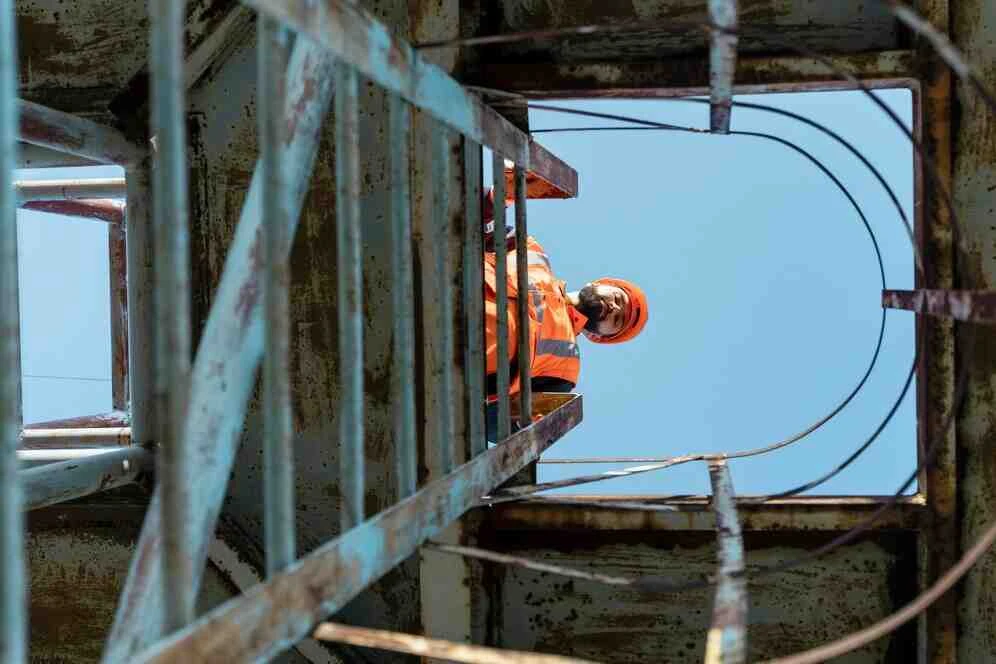
Explore fire safety in UK architecture. Learn about codes, fire-resistant materials, and design strategies to protect lives and property in architectural projects.
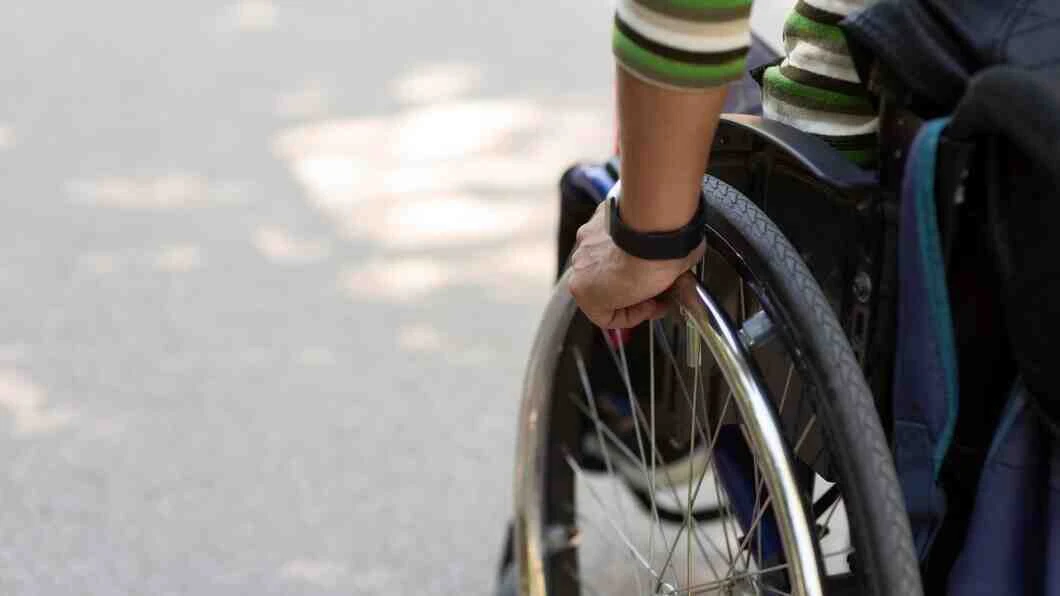
Discover the importance of designing inclusively in architecture. Learn how to meet the unique needs of disabled individuals and create accessible spaces for all.
Sign up to start winning an unlimited amount of jobs near you.


 Electrician
Gas Engineer
Electrician
Gas Engineer


Send more enquiries and explore your options
Increasing the number of potentials leads for you!
Have more control and flexibility over your finances!