

The Allure of Hearth Installations
Hearth installations come in various forms, each with its unique charm. From classic wood-burning fireplaces to modern gas and electric alternatives, these fixtures bring a sense of tradition and coziness that can make any house feel like a home. The charm of hearths extends beyond aesthetics; they often serve as a focal point for family gatherings, offer an intimate setting for romantic evenings, and, in some cases, can even reduce heating costs by efficiently warming the space.
Identifying the Risks
While the allure of hearths is undeniable, they also pose various risks and liabilities for homeowners. It"s essential to understand these risks to make an informed decision when installing or maintaining a hearth in your home.
1. Fire Hazards: One of the most significant risks associated with hearth installations is the potential for fire accidents. Improper installation, lack of maintenance, or using the wrong fuel can lead to devastating fires that put lives and property in danger.
2. Air Quality: Wood-burning fireplaces, in particular, emit smoke and particles that can harm indoor air quality and contribute to respiratory problems. It"s essential to consider your home"s ventilation and air quality when choosing the type of hearth.
3. Liability Issues: If you"re not the one directly using the hearth, but rather renting your property, you must be aware of potential liability issues in case of accidents. Negligence in maintenance and safety precautions can put you in a precarious legal position.
Managing the Risks
To enjoy the warmth and comfort of a hearth while mitigating the associated risks and liabilities, there are several crucial steps to follow:
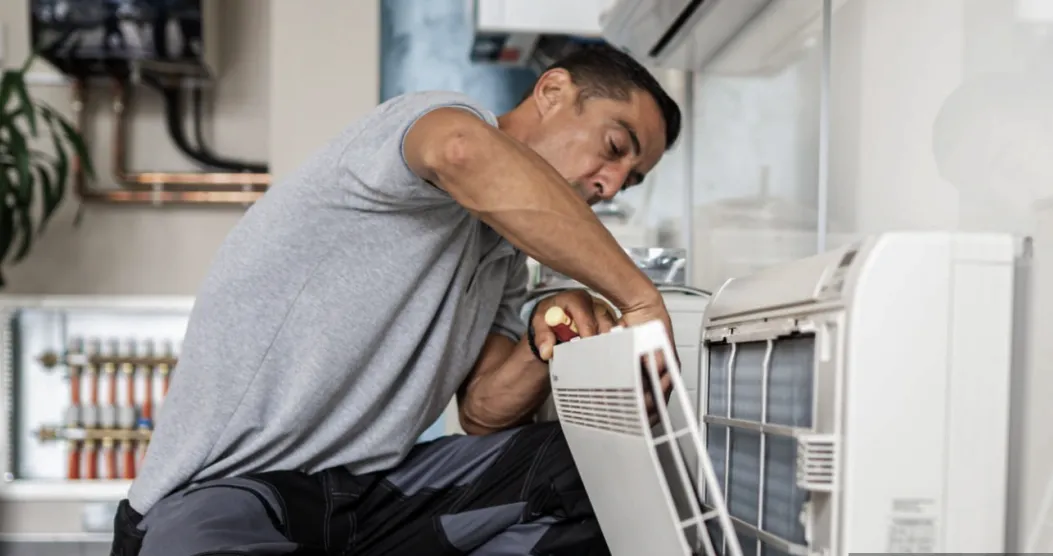
1. Proper Installation: Hiring a professional for the installation is paramount. They will ensure that your hearth complies with local building codes and safety standards, reducing the risk of fire hazards.
2. Regular Maintenance: A well-maintained hearth is a safer hearth. Regularly inspect your hearth, clean the chimney, and replace damaged components. This will prevent the buildup of creosote, a highly flammable substance, in the chimney.
3. Choose the Right Fuel: If you have a wood-burning hearth, use seasoned firewood to reduce smoke emissions and creosote buildup. For gas or electric hearths, ensure that the fuel source and connections are in good condition.
4. Install Safety Features: Consider installing safety features such as spark guards and glass doors to prevent sparks and embers from escaping. Carbon monoxide detectors and fire extinguishers in the vicinity are also wise investments.
5. Ventilation and Air Quality: Adequate ventilation is critical, especially for wood-burning hearths. Ensure your home has a well-functioning ventilation system to prevent indoor air pollution.
6. Legal Protection: If you"re renting out your property with a hearth, make sure to include safety instructions and guidelines in your rental agreement. This can help protect you from liability issues in case of accidents.
The Future of Hearth Installations
As technology advances, so does the safety and efficiency of hearth installations. Modern hearths offer the charm of traditional fireplaces with the convenience of gas or electric options. They come with advanced safety features and are designed to meet strict environmental standards, reducing air quality concerns.
Additionally, smart hearth technology is on the rise. These systems can be controlled remotely and even include safety features like automatic shut-off in case of malfunctions. These innovations make hearth installations not only safer but also more convenient for homeowners.
In Conclusion
Hearth installations have a timeless allure, but they come with inherent risks and liabilities. However, with proper installation, maintenance, and safety precautions, you can enjoy the warmth and ambiance of a hearth without compromising your home"s safety. Be aware of the type of hearth you choose and follow best practices to minimize risks. As technology advances, the future of hearth installations looks even more promising, with increased safety and efficiency.
So, if you"re considering adding a hearth to your home or already have one, take the necessary steps to manage risk and liability effectively. With the right precautions in place, you can embrace the joy and comfort that a hearth installation offers while keeping your loved ones and property safe.
Architects play a pivotal role in designing buildings that are not only aesthetically pleasing but also safe and functional. One of the crucial aspects of architectural design is ensuring compliance w...
In the realm of architectural design, aesthetics, and functionality often take center stage. However, a paramount concern that should never be overlooked is safety. The safety of occupants and users i...
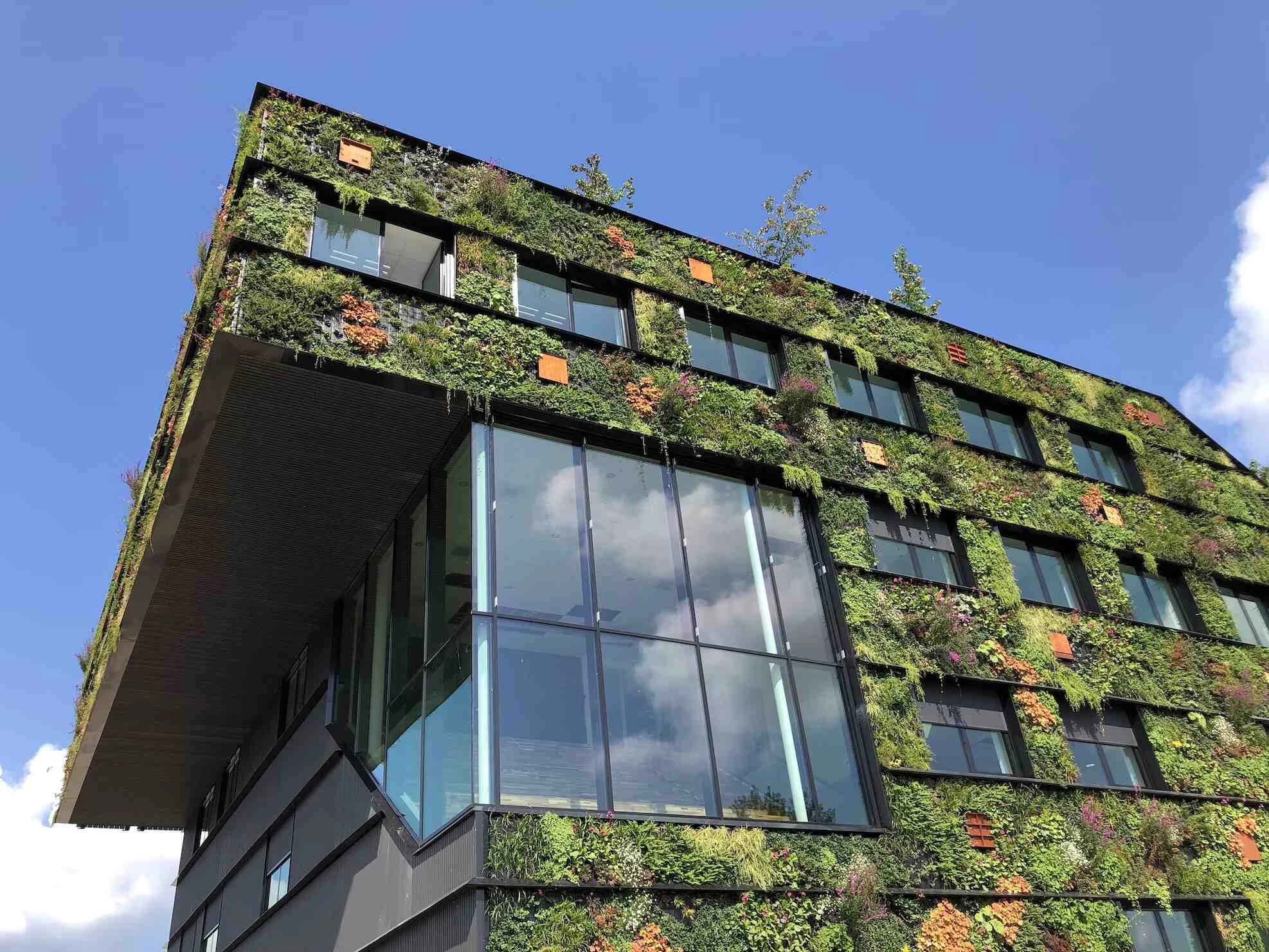
Explore the delicate balance between sustainability innovation and safety regulations in architectural design. Discover how architects create eco-friendly yet safe spaces.
Discover the latest seismic safety innovations for architects in the UK. Stay informed to design resilient structures in low-seismic-risk regions.
Explore fire safety in UK architecture. Learn about codes, fire-resistant materials, and design strategies to protect lives and property in architectural projects.

Discover the importance of designing inclusively in architecture. Learn how to meet the unique needs of disabled individuals and create accessible spaces for all.
Sign up to start winning an unlimited amount of jobs near you.


 Electrician
Gas Engineer
Electrician
Gas Engineer


Send more enquiries and explore your options
Increasing the number of potentials leads for you!
Have more control and flexibility over your finances!