


1. Comprehensive Project Assessment
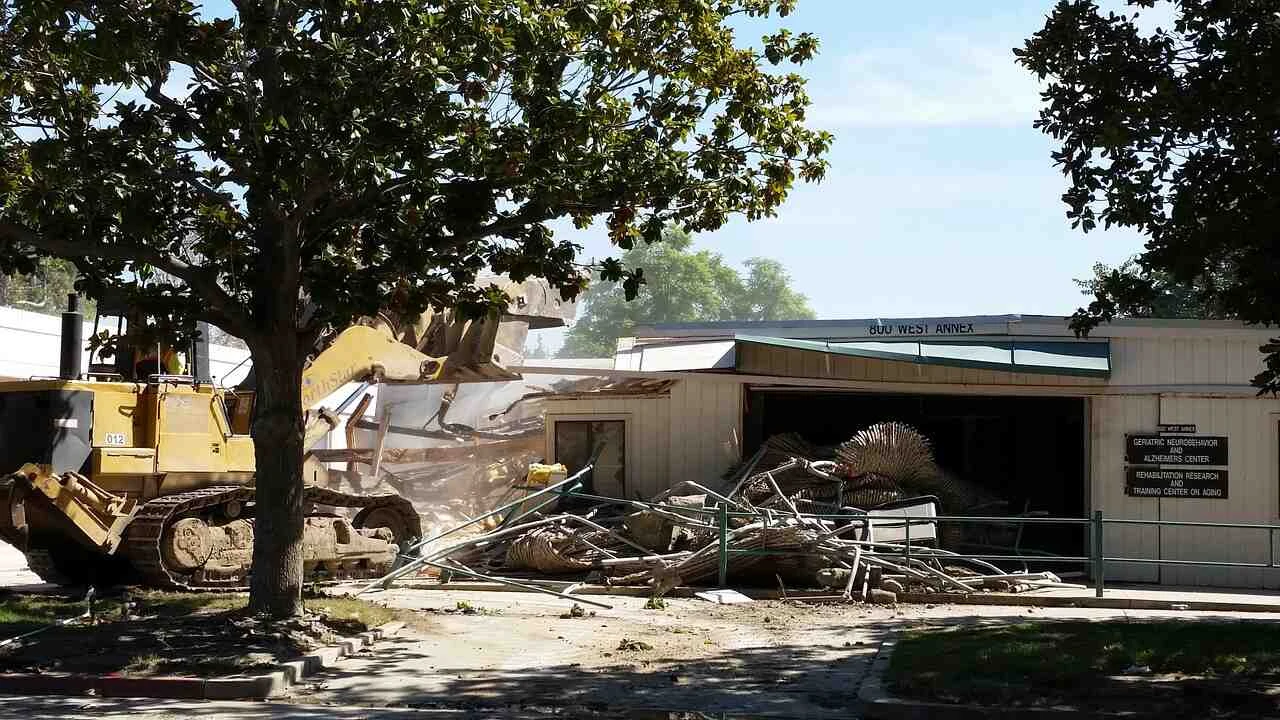
Before beginning any demolition project, conduct a thorough site assessment. This includes evaluating the structure"s condition, materials used, potential environmental hazards, and any nearby structures or utilities. Understanding the project"s unique characteristics is the first step in identifying potential risks.
2. Legal and Regulatory Compliance
Compliance with local, state, and federal regulations is paramount. Ensure that you have all the necessary permits and approvals. Stay up-to-date with changes in regulations related to demolition and construction, as non-compliance can lead to substantial legal liabilities.
3. Insurance Coverage
Obtaining the right insurance coverage is a key aspect of risk management. Demolition contractors should have adequate general liability insurance, workers" compensation insurance, and environmental liability insurance. Verify that your insurance policies cover potential damages or accidents that may occur during demolition projects.
4. Safety Protocols and Training
Invest in a robust safety program that includes proper training for your team. Ensure that all workers are aware of and follow best safety practices, including the use of personal protective equipment (PPE), fall protection, and equipment safety protocols. Regular safety meetings and drills should be conducted to reinforce safety awareness.
5. Environmental Considerations
Demolition projects can have a significant impact on the environment. Be aware of environmental regulations and guidelines. Safely handle hazardous materials, and consider recycling or reusing materials when possible. Proper disposal of waste materials is essential to avoid environmental liabilities.
6. Project-Specific Method Statements
Create project-specific method statements that outline how the demolition will be executed, including the sequence of activities, equipment to be used, and safety precautions. Ensure that these method statements are followed rigorously to minimize risks.
7. Site Security and Access Control
Maintaining site security is crucial to prevent unauthorized access, vandalism, and potential accidents. Implement access control measures and monitor the site to deter trespassers.
8. Emergency Response Plans
Develop detailed emergency response plans that cover various scenarios, including accidents, fires, or structural collapses. Ensure that all team members understand these plans and conduct drills to practice responses.
9. Communication and Documentation
Clear communication is vital in managing risks. Document all aspects of the project, including safety inspections, worker training, and compliance with regulations. Effective communication can help resolve disputes and reduce potential liabilities.
10. Pre-Demolition Surveys
Conduct pre-demolition surveys to document the condition of adjacent structures and utilities. This documentation can serve as evidence if disputes arise regarding damage claims.
11. Subcontractor Management
If you hire subcontractors for specific aspects of the project, ensure they meet the same safety and compliance standards. Have clear contracts in place that outline responsibilities and liabilities.
12. Regular Inspections and Quality Control
Frequent inspections of equipment and work processes are necessary to identify and address potential risks. Implement a quality control system to maintain high standards throughout the project.
13. Contingency Planning
Develop contingency plans for unforeseen circumstances or emergencies. This can include a backup power supply, alternative access routes, or additional safety measures.
14. Legal Consultation
It"s advisable to consult with legal experts who specialize in construction and demolition law. They can help you understand the legal aspects and liabilities associated with your projects.
15. Post-Demolition Documentation
After project completion, document the final condition of the site and any issues that arose during the demolition. This documentation can be crucial in case of future claims or disputes.
In conclusion, managing risk and liability in demolition projects requires a multi-faceted approach that encompasses safety measures, legal compliance, documentation, and contingency planning. By diligently implementing these strategies, demolition contractors can reduce the likelihood of accidents, protect their business from liabilities, and build a reputation for professionalism and safety in the industry. Remember that every project is unique, and the specific risks and liabilities associated with each should be carefully evaluated and managed accordingly.

Architects play a pivotal role in designing buildings that are not only aesthetically pleasing but also safe and functional. One of the crucial aspects of architectural design is ensuring compliance w...

In the realm of architectural design, aesthetics, and functionality often take center stage. However, a paramount concern that should never be overlooked is safety. The safety of occupants and users i...

Explore the delicate balance between sustainability innovation and safety regulations in architectural design. Discover how architects create eco-friendly yet safe spaces.
Discover the latest seismic safety innovations for architects in the UK. Stay informed to design resilient structures in low-seismic-risk regions.
Explore fire safety in UK architecture. Learn about codes, fire-resistant materials, and design strategies to protect lives and property in architectural projects.

Discover the importance of designing inclusively in architecture. Learn how to meet the unique needs of disabled individuals and create accessible spaces for all.
Sign up to start winning an unlimited amount of jobs near you.


 Electrician
Gas Engineer
Electrician
Gas Engineer


Send more enquiries and explore your options
Increasing the number of potentials leads for you!
Have more control and flexibility over your finances!