

In this comprehensive guide, we"ll explore the ins and outs of managing risk and liability in damp-proofing projects. We"ll discuss what damp-proofing entails, the potential risks involved, and strategies for mitigating these risks to protect your investment and ensure a safe, dry, and comfortable living environment.
Understanding Damp-Proofing
Before delving into the complexities of risk and liability, it"s essential to understand what damp-proofing is and why it"s important. Damp-proofing refers to a set of measures and techniques aimed at preventing moisture infiltration into a building. The primary objectives of damp-proofing are:
Protecting structural integrity: Moisture can weaken a building"s structural components, such as wood, concrete, and steel. Damp-proofing prevents these materials from deteriorating due to exposure to moisture.
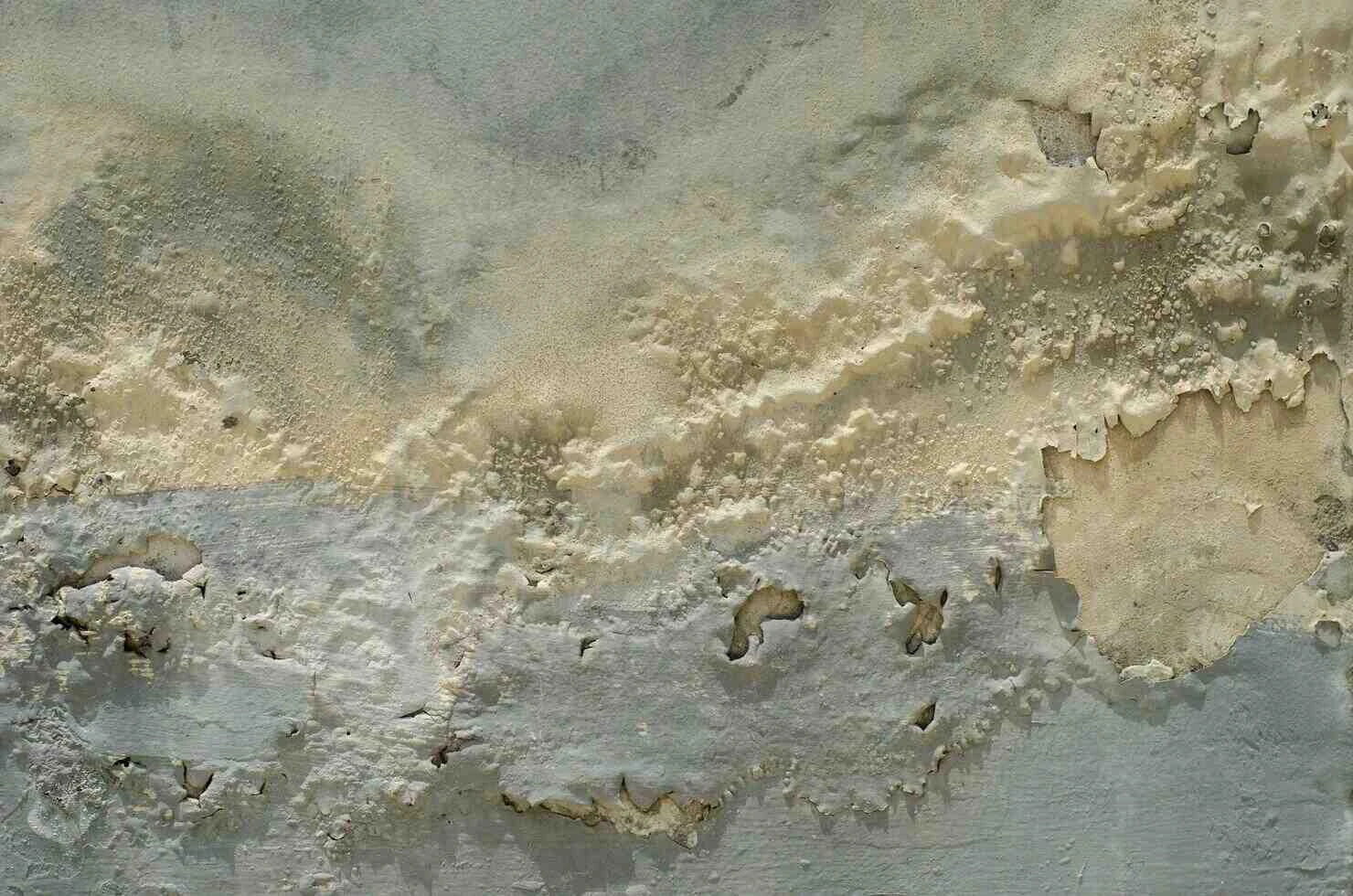
Preventing health hazards: Damp environments can lead to mold and mildew growth, which can pose significant health risks to occupants. Damp-proofing helps maintain a healthy living environment.
Enhancing energy efficiency: Damp conditions can increase heating and cooling costs as a damp building is harder to heat or cool effectively. Proper damp-proofing can lead to energy savings.
Now that we understand the importance of damp-proofing, let"s explore the potential risks and liabilities associated with damp-proofing projects.
Risks and Liabilities in Damp-Proofing Projects
Subpar Workmanship: One of the most significant risks in damp-proofing projects is subpar workmanship. Inadequate installation or the use of low-quality materials can lead to water infiltration, rendering the damp-proofing ineffective.
Unforeseen Structural Issues: Damp-proofing may uncover hidden structural issues like rotting wood or crumbling masonry. These issues can escalate costs and project timelines.
Health and Safety Hazards: During damp-proofing, there"s a potential for exposing occupants to health hazards like dust and toxic mold spores. Contractors must adhere to strict safety protocols.
Regulatory Compliance: Failure to comply with local building codes and regulations can lead to legal complications, fines, and costly corrections.
Warranty and Liability Issues: Damp-proofing work often comes with warranties, and managing these warranties effectively can be a source of risk. Misunderstandings or disputes about warranty terms can lead to costly litigation.
Mitigating Risks and Liabilities
To ensure the success of your damp-proofing project and minimize risks and liabilities, consider the following strategies:
Choose Reputable Contractors: Selecting experienced and reputable contractors is paramount. Research their track record, read reviews, and ask for referrals. Ensure they are licensed and insured.
Detailed Contracts: Contracts should be comprehensive, outlining all project details, including materials used, work schedule, costs, and warranties. Having a clear agreement can prevent disputes down the line.
Inspect and Document: Regularly inspect the work as it progresses and document it with photographs. This can serve as evidence if issues arise later.
Understand Warranties: Fully understand the warranty terms and conditions, including what"s covered and for how long. This knowledge can help you navigate warranty claims effectively.
Adhere to Regulations: Ensure that the damp-proofing work complies with local building codes and regulations. This can help you avoid legal complications and costly corrections.
Proper Safety Measures: During the project, implement safety measures to protect the health of occupants. This may include sealing off affected areas and using personal protective equipment.
Emergency Funds: Plan for unexpected expenses by setting aside emergency funds. This can help mitigate the financial risks associated with unforeseen structural issues.
Conclusion
Damp-proofing projects are crucial for preserving a home"s structural integrity, protecting the health of its occupants, and enhancing energy efficiency. However, these projects are not without their risks and liabilities. To manage these effectively, choose reputable contractors, have detailed contracts, inspect and document the work, understand warranty terms, comply with regulations, implement safety measures, and prepare for unforeseen expenses.
By following these guidelines, you can ensure that your damp-proofing project is a success, protecting your investment and providing a safe, dry, and comfortable living environment for years to come. Managing risk and liability in damp-proofing projects is a critical part of responsible homeownership, and it"s a wise investment in the future of your home.

Architects play a pivotal role in designing buildings that are not only aesthetically pleasing but also safe and functional. One of the crucial aspects of architectural design is ensuring compliance w...
In the realm of architectural design, aesthetics, and functionality often take center stage. However, a paramount concern that should never be overlooked is safety. The safety of occupants and users i...
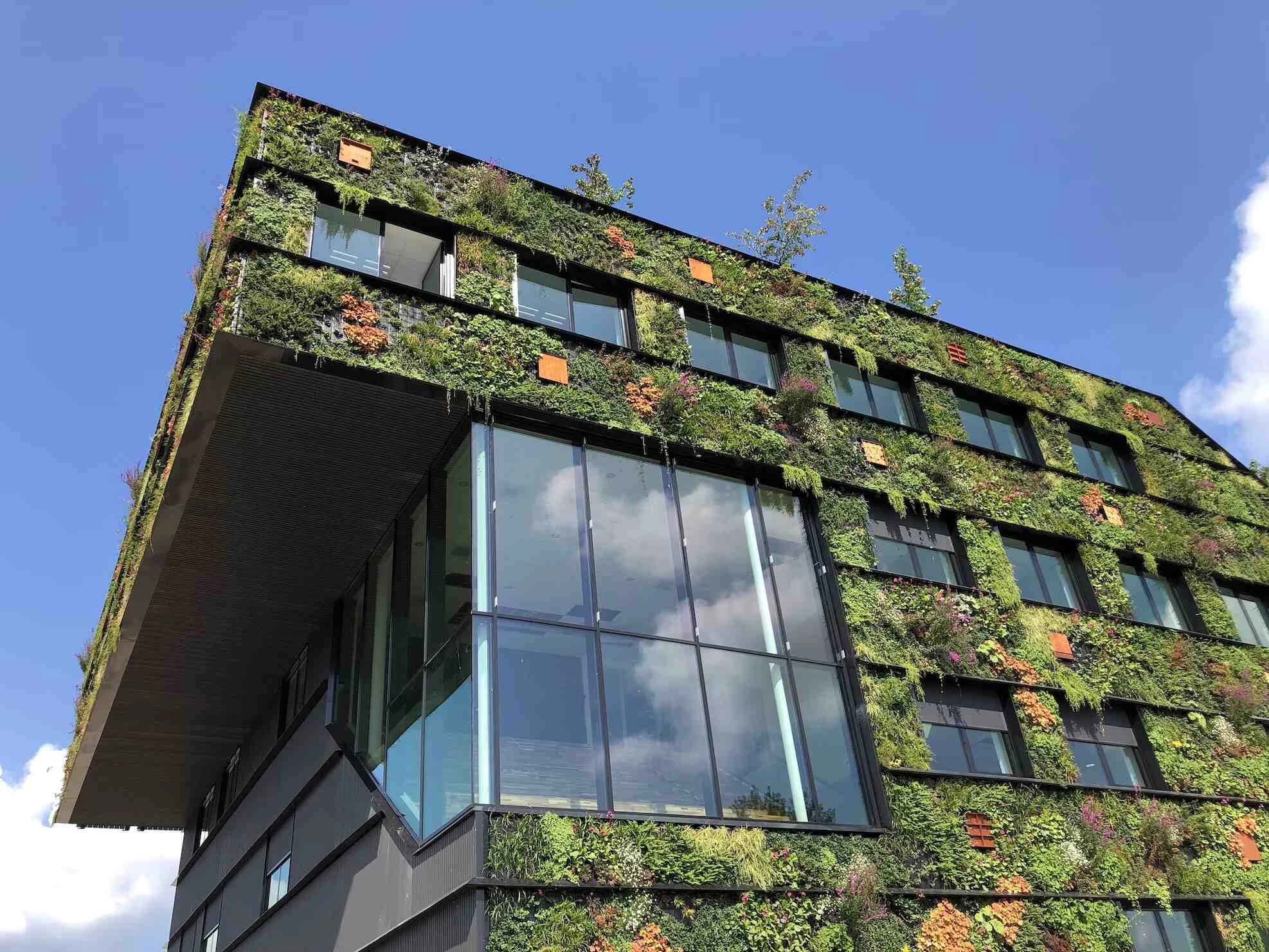
Explore the delicate balance between sustainability innovation and safety regulations in architectural design. Discover how architects create eco-friendly yet safe spaces.

Discover the latest seismic safety innovations for architects in the UK. Stay informed to design resilient structures in low-seismic-risk regions.
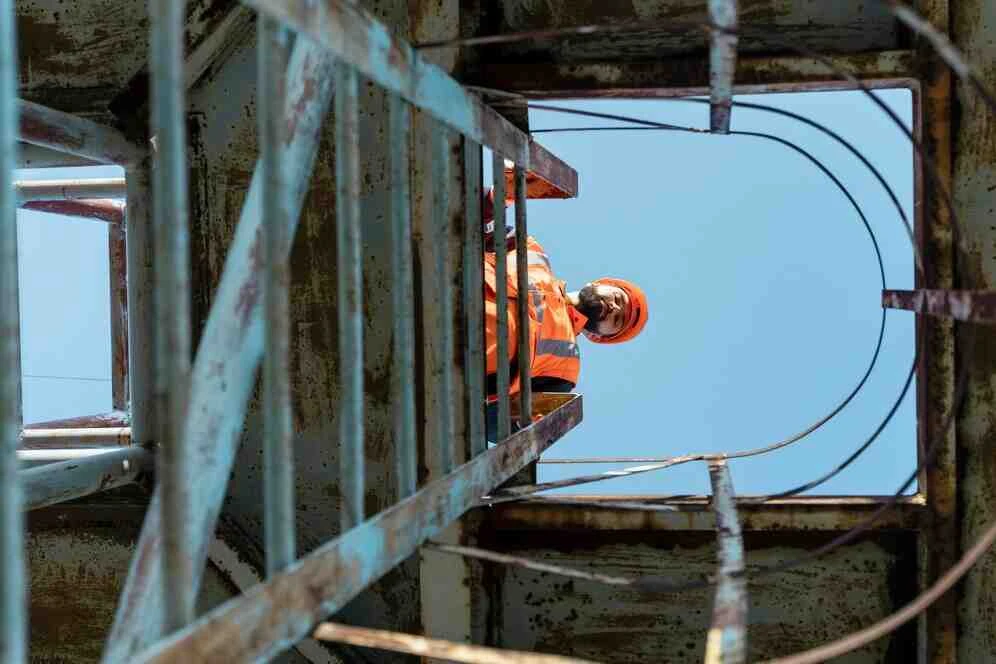
Explore fire safety in UK architecture. Learn about codes, fire-resistant materials, and design strategies to protect lives and property in architectural projects.
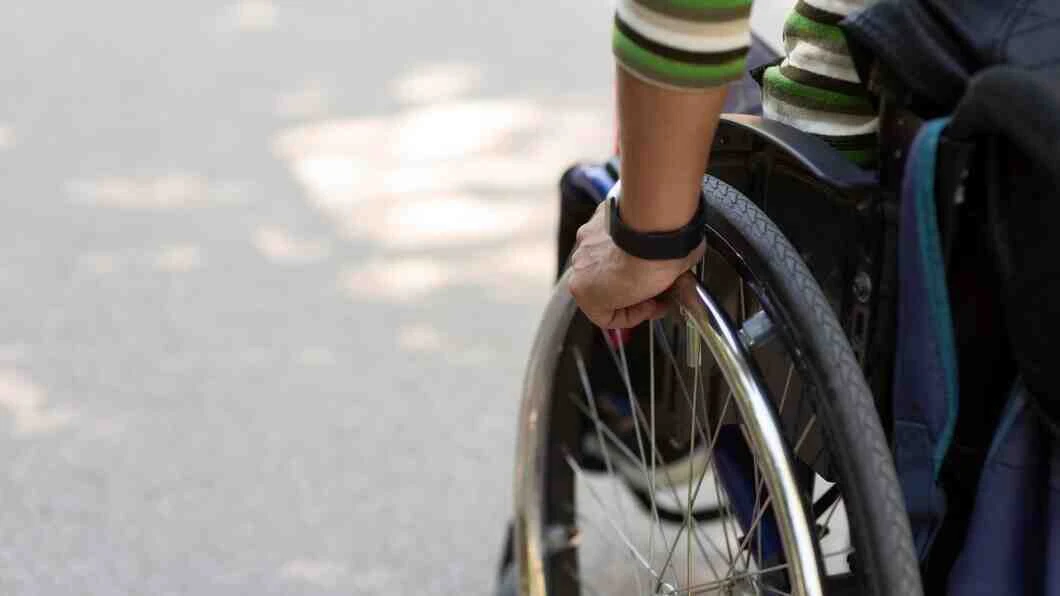
Discover the importance of designing inclusively in architecture. Learn how to meet the unique needs of disabled individuals and create accessible spaces for all.
Sign up to start winning an unlimited amount of jobs near you.


 Electrician
Gas Engineer
Electrician
Gas Engineer


Send more enquiries and explore your options
Increasing the number of potentials leads for you!
Have more control and flexibility over your finances!