


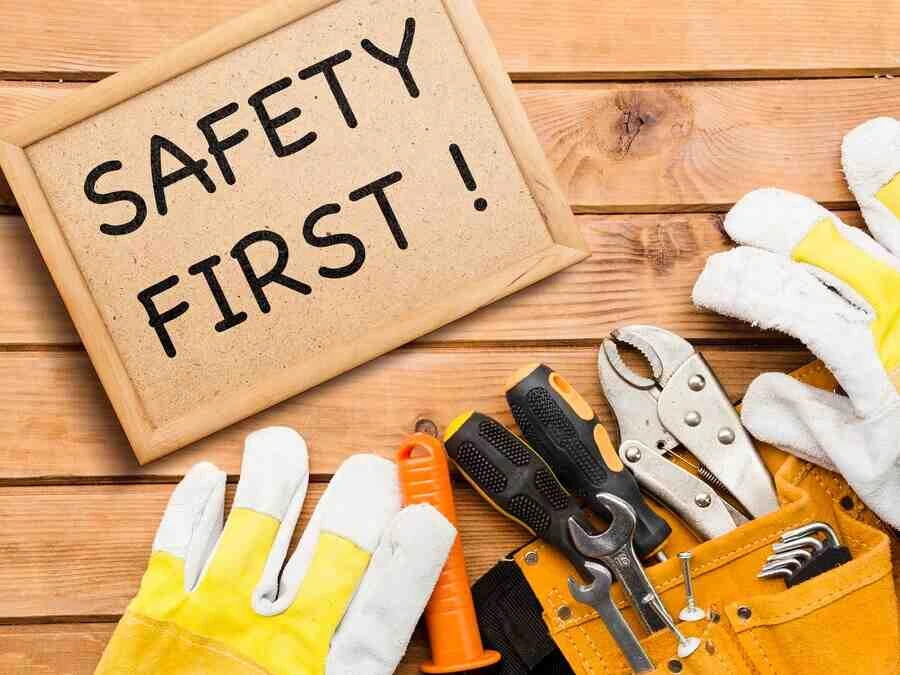
The Importance of Risk Management in Bricklaying
Effective risk management in bricklaying serves several important purposes:
Safety: Managing risks helps ensure the safety of workers and reduces the likelihood of accidents or injuries on the construction site.
Financial Protection: By identifying and mitigating risks, bricklayers can protect their financial interests and prevent costly litigation or claims.
Project Success: Proactive risk management contributes to the successful completion of bricklaying projects within budget and on schedule.
Reputation: Managing risks responsibly enhances a bricklayer"s reputation in the industry, fostering trust among clients and partners.
Effective Strategies for Managing Risk and Liability
Insurance Coverage: Obtain comprehensive insurance coverage, including general liability insurance and worker"s compensation, to protect against unforeseen events and accidents on the construction site. Compliance with insurance requirements is crucial.
Safety Protocols: Develop and enforce strict safety protocols and procedures for bricklaying work. Regular safety training and ongoing monitoring of safety practices are essential.
Risk Assessment: Conduct a thorough risk assessment before starting any project. Identify potential hazards, such as unstable surfaces or overhead loads, and implement measures to mitigate these risks.
Quality Control: Maintain high standards of workmanship and quality control to minimize the risk of structural defects or material failures. Properly cured mortar and precise brick placement are critical.
Contractual Clarity: Ensure that contracts and agreements with clients and subcontractors are clear and detailed. Define responsibilities, timelines, and liability terms in writing to avoid disputes.
Documentation: Keep meticulous records of project-related activities, including safety training, inspections, and correspondence. Accurate documentation can be invaluable in the event of a dispute or claim.
Communication: Foster open and transparent communication among all project stakeholders. Encourage reporting of safety concerns, issues, or potential risks promptly.
Emergency Response: Establish emergency response procedures and protocols for various scenarios, including accidents, injuries, or site incidents. Ensure all workers are aware of these procedures.
Legal Compliance: Stay informed about local, state, and federal regulations governing construction and bricklaying. Comply with all legal requirements, permits, and inspections.
Professional Expertise: When dealing with complex projects or unusual conditions, seek guidance from structural engineers, architects, or legal professionals with expertise in construction-related matters.
Subcontractor Screening: If subcontractors are involved, conduct thorough background checks and screenings to ensure they have a track record of safety and reliability.
Continual Improvement: Regularly review and update risk management strategies based on project-specific experiences and industry developments.
Conclusion
Managing risk and liability in bricklaying is not just a matter of compliance; it"s a fundamental component of responsible construction management. By adopting proactive risk management strategies and fostering a culture of safety and accountability, bricklayers can protect their interests, ensure the safety of their workforce, and contribute to the success of their projects.
In the ever-evolving construction industry, where challenges and uncertainties are common, effective risk management is the foundation of a safer, more resilient, and more successful bricklaying practice. Building with confidence means not only delivering quality work but also safeguarding against the unexpected, ensuring a more secure and prosperous future.

Architects play a pivotal role in designing buildings that are not only aesthetically pleasing but also safe and functional. One of the crucial aspects of architectural design is ensuring compliance w...

In the realm of architectural design, aesthetics, and functionality often take center stage. However, a paramount concern that should never be overlooked is safety. The safety of occupants and users i...

Explore the delicate balance between sustainability innovation and safety regulations in architectural design. Discover how architects create eco-friendly yet safe spaces.
Discover the latest seismic safety innovations for architects in the UK. Stay informed to design resilient structures in low-seismic-risk regions.
Explore fire safety in UK architecture. Learn about codes, fire-resistant materials, and design strategies to protect lives and property in architectural projects.

Discover the importance of designing inclusively in architecture. Learn how to meet the unique needs of disabled individuals and create accessible spaces for all.
Sign up to start winning an unlimited amount of jobs near you.


 Electrician
Gas Engineer
Electrician
Gas Engineer


Send more enquiries and explore your options
Increasing the number of potentials leads for you!
Have more control and flexibility over your finances!