


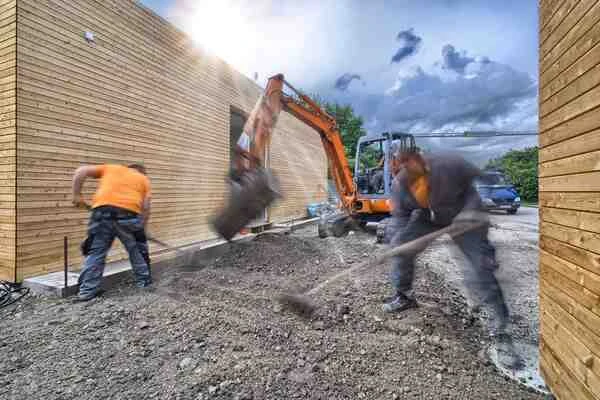
## 1. Define Your Project Goals and Scope:
- Clarify Your Objectives: Clearly define the goals of your project. Are you building a new home, adding an extension, or revamping your landscape? Understanding your objectives helps shape the entire groundwork process.
- Outline the Project Scope: Detail the scope of your project. This includes the size of the structure, landscaping requirements, and any additional features you envision. A well-defined scope guides decision-making and resource allocation.
## 2. Conduct a Thorough Site Analysis:
- Understand Your Site: Conduct a comprehensive analysis of your site. Consider factors such as topography, soil composition, drainage patterns, and any existing structures. This information informs crucial decisions in the groundwork process.
- Geotechnical Assessment: Invest in a geotechnical assessment to understand soil conditions. This assessment guides foundation design and excavation plans, ensuring they are tailored to the unique characteristics of your site.
## 3. Engage Professional Groundwork Services:
- Consultation with Experts: Engage with professional groundwork services early in the process. Consultation with experts, including excavation specialists and structural engineers, provides valuable insights and ensures a solid foundation for your project.
- Verify Credentials: Ensure that the groundwork professionals you engage have the necessary qualifications and certifications. Verify their licensing and track record in handling projects similar to yours.
## 4. Understand Local Regulations and Obtain Permits:
- Research Building Codes: Familiarize yourself with local building codes and regulations. Each locality may have specific requirements for excavation depths, foundation designs, and other aspects of groundwork.
- Obtain Necessary Permits: Secure all required permits before commencing groundwork. This includes submitting detailed plans and obtaining approvals from relevant authorities. Compliance with regulations is non-negotiable.
## 5. Develop a Realistic Budget:
- Itemize Costs: Create a detailed budget that itemizes all costs associated with the groundwork. This includes professional services, materials, equipment rental, and potential contingencies.
- Consider Long-Term Costs: While it"s crucial to stay within budget, also consider the long-term costs. Investing in quality materials and professional services from the outset can prevent costly issues down the line.
## 6. Plan for Adequate Time:
- Realistic Timelines: Set realistic timelines for your project. Consider factors such as weather conditions, local construction seasons, and any potential delays that may arise during the groundwork process.
- Avoid Rushed Decisions: Allocate enough time for each phase of the project. Rushed decisions can lead to errors and compromise the quality of the groundwork.
## 7. Communication with Professionals:
- Open Communication: Maintain open communication with the professionals involved in your project. Regular updates, check-ins, and a collaborative approach foster a smooth execution.
- Address Concerns Promptly: If any concerns or issues arise during the project, address them promptly. Open communication ensures that everyone is on the same page and can contribute to problem-solving.
## 8. Quality Control and Inspections:
- Implement Quality Control Measures: Implement a robust quality control process. Regular inspections during and after the groundwork phase ensure that work meets the required standards.
- Address Issues Early: If inspections reveal any issues, address them early in the process. Timely corrections prevent problems from escalating and contribute to the overall quality of the project.
## 9. Landscaping and Restoration:
- Plan for Post-Groundwork: Consider how the finished groundwork integrates with the surrounding environment. Plan for landscaping and restoration activities to ensure a harmonious transition from construction to the natural surroundings.
- Final Touches Matter: The landscaping and restoration phase is the final touch that completes your project. It not only enhances aesthetics but also contributes to the overall property value.
## 10. Maintain Documentation:
- Comprehensive Record-Keeping: Keep thorough documentation of the entire project. This includes contracts, permits, inspection reports, and any relevant correspondence. Proper documentation is essential for future reference or property resale.
- Record Changes and Decisions: Document any changes made during the project and the rationale behind them. This documentation provides clarity on decisions made and serves as a reference for future projects or inquiries.
## Conclusion:
Starting a groundwork project as a homeowner requires careful planning, collaboration with professionals, and adherence to local regulations. By considering these key factors, you set the stage for a successful project with a solid foundation. Whether you"re building a new home, adding an extension, or transforming your landscape, these considerations contribute to a construction journey marked by informed decisions, lasting quality, and the realization of your vision for a dream home.
Your home is not just a place to live; it"s an expression of your personality and style. One of the most exciting aspects of homeownership is choosing the architectural style that best reflects your t...

Selecting the right architect is a pivotal step in ensuring the success of your construction project, whether it"s a commercial venture or a home improvement project. Architects play a crucial role in...

Architectural design is a complex and creative process that transforms ideas and concepts into tangible structures that shape our built environment. Whether it"s a stunning skyscraper, a sustainable h...

Embarking on an architectural project, whether it"s designing your dream home, renovating a commercial space, or constructing a public building, demands meticulous financial planning. Budgeting is a c...

In an era where environmental concerns are at the forefront of our global consciousness, the concept of sustainable architecture has gained significant traction. Sustainable architecture, often referr...
Embarking on a home improvement project can be an exciting but challenging endeavor. When it comes to significant changes, two primary options often come to mind: renovating your existing home or buil...
Sign up to start winning an unlimited amount of jobs near you.


 Electrician
Gas Engineer
Electrician
Gas Engineer


Send more enquiries and explore your options
Increasing the number of potentials leads for you!
Have more control and flexibility over your finances!