

Size and Layout of the Space
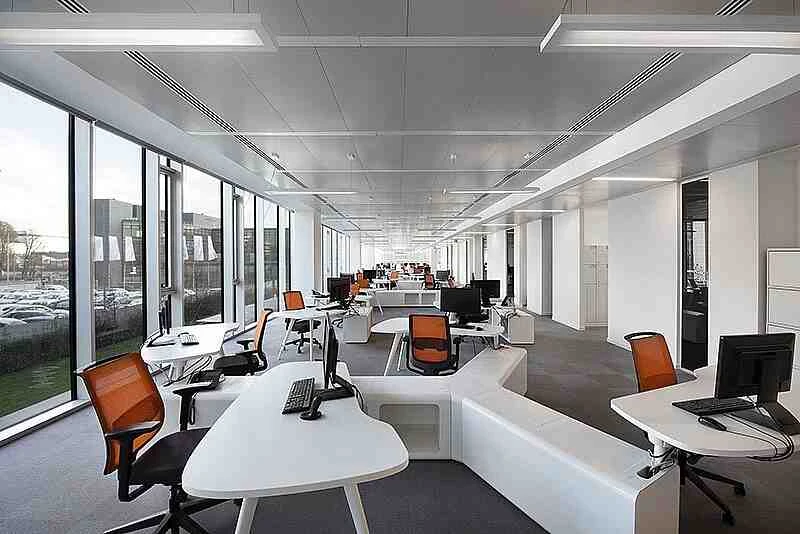
One of the first and most crucial considerations when planning heating for a commercial space is its size and layout. The square footage, ceiling height, and configuration of rooms can greatly impact the type of heating system needed. Smaller spaces may be adequately heated with simple solutions like space heaters, while larger open-plan areas may require a more complex HVAC (Heating, Ventilation, and Air Conditioning) system.
Insulation
The effectiveness of any heating system depends heavily on the insulation of the building. Poor insulation can result in significant heat loss, leading to higher energy bills and an uncomfortable environment. Before investing in a heating system, businesses should assess and improve insulation if necessary. This could include adding insulation to walls, ceilings, and windows, which will help retain heat and reduce the workload on the heating system.
Energy Efficiency
In today"s environmentally conscious world, energy efficiency is a top priority for many businesses. Energy-efficient heating systems not only reduce carbon footprints but also save money in the long run. Consider options like high-efficiency furnaces, heat pumps, and radiant heating systems, which can significantly lower energy consumption while still providing ample warmth.
Heating Source Options
Commercial spaces have various heating source options to choose from, each with its advantages and disadvantages. These options include:
Gas Heating: Natural gas is a cost-effective and popular choice for commercial heating. It provides quick and consistent warmth, making it suitable for large spaces. However, gas heating systems require proper ventilation and regular maintenance.
Electric Heating: Electric heating systems are easy to install and offer zonal heating capabilities. While they are typically more expensive to operate than gas, they may be a viable option for smaller spaces or as supplementary heating.
Radiant Heating: Radiant heating systems, such as underfloor heating, provide comfortable and efficient warmth. They are particularly effective in spaces with high ceilings and can be used as a primary or secondary heating source.
Zoning
Commercial spaces often have varying heating needs within different areas. Zoning allows businesses to control the temperature in different zones or rooms independently. This not only enhances comfort but also saves energy by heating only the areas in use. Investing in a zoning system can lead to significant cost savings over time.
Maintenance and Service
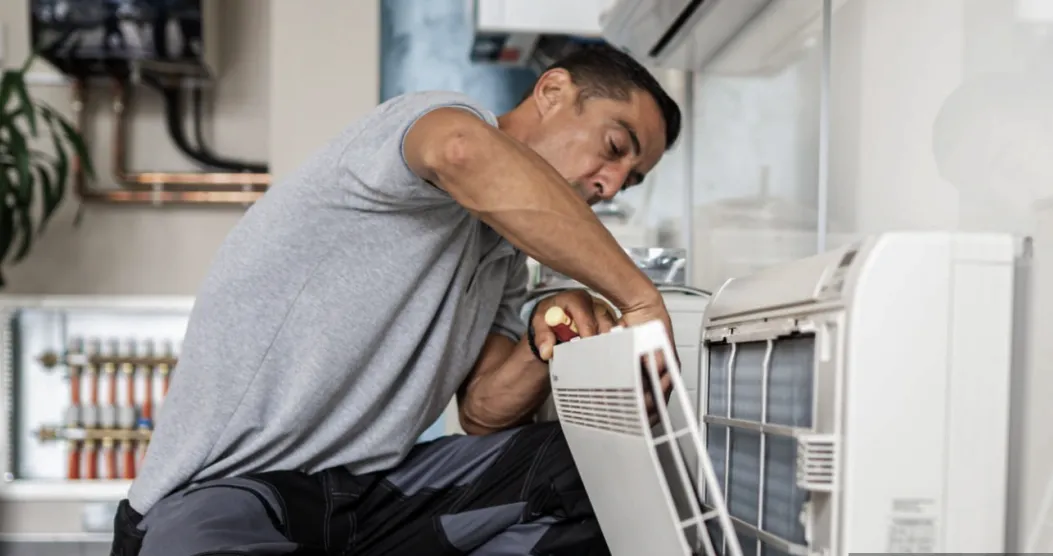
Regular maintenance is crucial to keeping heating systems running efficiently. Commercial heating systems should be serviced annually by professionals who can identify and address any issues. Proper maintenance ensures the longevity of the system and helps prevent costly breakdowns.
Regulatory Compliance
Different regions may have specific regulations and codes related to heating systems in commercial spaces. It is essential for businesses to understand and comply with these regulations to avoid legal issues and ensure the safety of employees and customers.
Automation and Control
Advancements in technology have led to the development of smart thermostats and heating control systems. These systems enable businesses to monitor and control heating remotely, optimize energy use, and maintain a comfortable environment while reducing costs.
Backup Systems
Commercial spaces should also consider backup heating systems in case of emergencies or primary system failures. This ensures business continuity during harsh weather conditions.
Cost Analysis
Finally, businesses must conduct a comprehensive cost analysis that considers the initial investment, operational costs, and potential energy savings associated with different heating options. While upfront costs may be higher for more energy-efficient systems, the long-term savings can be substantial.
Conclusion
Heating in commercial spaces is a critical aspect of maintaining a comfortable and productive environment. Businesses must carefully consider factors such as the size and layout of the space, insulation, energy efficiency, heating source options, zoning, maintenance, regulatory compliance, automation, backup systems, and cost analysis when planning their heating solutions. By taking these considerations into account, businesses can make informed decisions that result in effective, efficient, and cost-effective heating for their commercial spaces. In doing so, they can create a warm and inviting atmosphere for employees and customers while also contributing to a more sustainable future.
Your home is not just a place to live; it"s an expression of your personality and style. One of the most exciting aspects of homeownership is choosing the architectural style that best reflects your t...

Selecting the right architect is a pivotal step in ensuring the success of your construction project, whether it"s a commercial venture or a home improvement project. Architects play a crucial role in...

Architectural design is a complex and creative process that transforms ideas and concepts into tangible structures that shape our built environment. Whether it"s a stunning skyscraper, a sustainable h...

Embarking on an architectural project, whether it"s designing your dream home, renovating a commercial space, or constructing a public building, demands meticulous financial planning. Budgeting is a c...
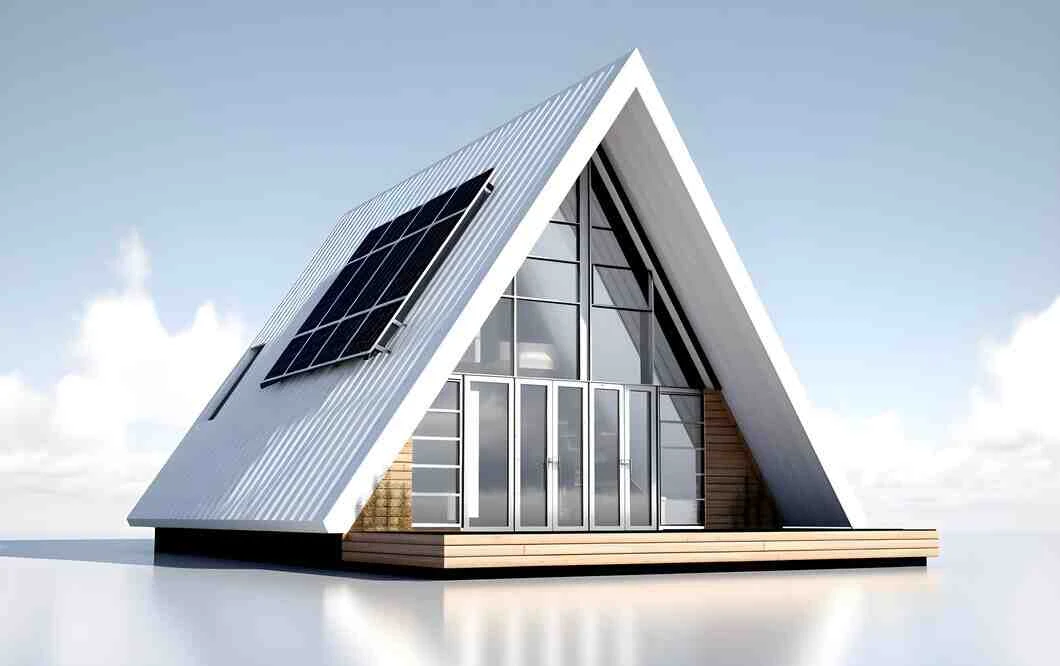
In an era where environmental concerns are at the forefront of our global consciousness, the concept of sustainable architecture has gained significant traction. Sustainable architecture, often referr...
Embarking on a home improvement project can be an exciting but challenging endeavor. When it comes to significant changes, two primary options often come to mind: renovating your existing home or buil...
Sign up to start winning an unlimited amount of jobs near you.


 Electrician
Gas Engineer
Electrician
Gas Engineer


Send more enquiries and explore your options
Increasing the number of potentials leads for you!
Have more control and flexibility over your finances!