



**1. Legal and Regulatory Compliance**
Compliance with local regulations, permits, and zoning codes is crucial for commercial paving projects. Consult with local authorities to understand any specific requirements or restrictions that may apply to your project. Failure to comply can result in delays and legal issues.
**2. Project Scope and Design**
Before beginning any commercial paving project, you should define the project scope and create a detailed design. Consider the following aspects:
- **Purpose and Functionality:** What is the primary purpose of the paved area, such as parking, loading, or walkways? Ensure the design meets these functional requirements.
- **Traffic Flow:** Plan the layout to facilitate efficient traffic flow and parking.
- **Materials:** Choose the right materials for durability, safety, and aesthetics. Different areas may require different materials.
- **Accessibility:** Comply with accessibility requirements for individuals with disabilities, including ADA (Americans with Disabilities Act) guidelines.
**3. Budget and Financing**
Create a comprehensive budget that includes all project costs, such as materials, labor, equipment, permits, and ongoing maintenance. It"s essential to secure adequate financing to cover these expenses and any unexpected costs that may arise during the project.
**4. Scheduling and Timing**
Commercial paving projects often need to be completed within a specific timeframe to minimize disruptions to business operations. Consider factors like weather, working hours, and access to the site when scheduling the project. Early planning and coordination can help ensure the project stays on track.
**5. Proper Drainage**
Effective drainage is crucial for commercial paving projects. Poor drainage can lead to water damage, erosion, and even structural issues. Ensure the design incorporates the appropriate drainage solutions, such as stormwater management systems, slopes, and catch basins.
**6. Subgrade Preparation**
The quality of the subgrade, the compacted layer of soil beneath the pavement, is vital to the long-term performance of the paving. Proper subgrade preparation is essential to prevent settling, cracking, and other issues. Soil testing and compaction are key components of this process.
**7. Pavement Thickness and Load-Bearing Capacity**
Commercial projects should consider the expected load-bearing requirements. The thickness and structural design of the pavement must support the anticipated weight of vehicles and equipment. Consulting with an engineer or paving expert can help determine the appropriate pavement thickness.
**8. Sustainability and Environmental Impact**
In today"s environmentally conscious world, sustainability is a growing consideration in commercial paving. Explore eco-friendly paving options, recycled materials, and permeable pavers that help manage stormwater runoff and reduce the project"s environmental impact.
**9. Ongoing Maintenance Plan**
Develop a maintenance plan for the paved area to ensure its longevity and performance. Regular maintenance, such as sealcoating, crack sealing, and repaving, can extend the lifespan of the pavement, saving on long-term costs and minimizing disruptions.
**10. Contractor Selection**
Choosing the right paving contractor is critical to the success of the project. Look for experienced contractors with a solid track record in commercial paving. Obtain multiple quotes, check references, and review past projects to ensure the contractor can meet your specific needs.
**11. Communication and Stakeholder Engagement**
Effective communication with stakeholders, such as property owners, tenants, and the contractor, is essential throughout the project. Keep all parties informed about progress, changes, and any potential disruptions to business operations.
**Conclusion**
Commercial paving projects require careful planning, attention to detail, and a focus on meeting the specific needs of the property and its stakeholders. By considering the key aspects discussed in this guide, you can ensure that your commercial paving project is successful, meets regulatory requirements, and serves its intended purpose for years to come.

Your home is not just a place to live; it"s an expression of your personality and style. One of the most exciting aspects of homeownership is choosing the architectural style that best reflects your t...

Selecting the right architect is a pivotal step in ensuring the success of your construction project, whether it"s a commercial venture or a home improvement project. Architects play a crucial role in...

Architectural design is a complex and creative process that transforms ideas and concepts into tangible structures that shape our built environment. Whether it"s a stunning skyscraper, a sustainable h...

Embarking on an architectural project, whether it"s designing your dream home, renovating a commercial space, or constructing a public building, demands meticulous financial planning. Budgeting is a c...
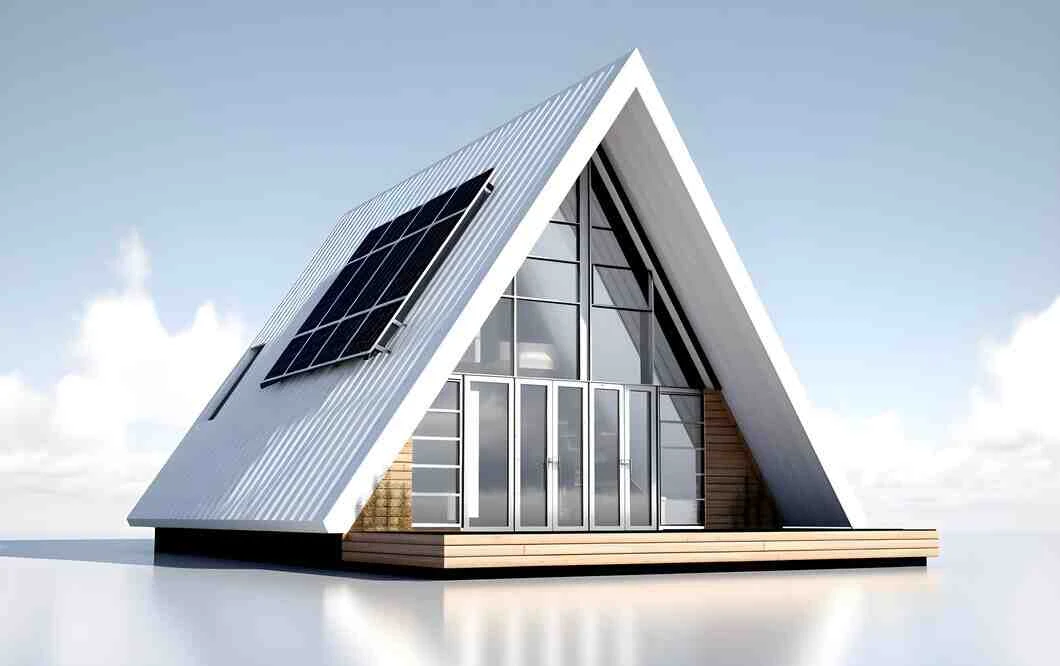
In an era where environmental concerns are at the forefront of our global consciousness, the concept of sustainable architecture has gained significant traction. Sustainable architecture, often referr...
Embarking on a home improvement project can be an exciting but challenging endeavor. When it comes to significant changes, two primary options often come to mind: renovating your existing home or buil...
Sign up to start winning an unlimited amount of jobs near you.


 Electrician
Gas Engineer
Electrician
Gas Engineer


Send more enquiries and explore your options
Increasing the number of potentials leads for you!
Have more control and flexibility over your finances!