


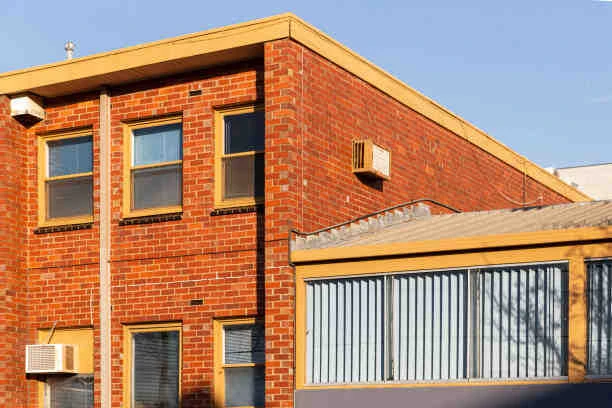
1. Define Your Goals and Objectives
Before diving into a commercial extension project, it"s crucial to define your goals and objectives clearly. Determine what you aim to achieve with the extension. Are you looking to increase retail floor space, accommodate a growing workforce, or modernize your facilities? Establishing your goals will guide the entire project and help you make informed decisions along the way.
2. Budgeting and Financial Planning
Commercial extensions can be expensive, so creating a realistic budget is paramount. Consider all costs, including construction, permits, architectural and design fees, and any potential unforeseen expenses. It"s wise to allocate a contingency fund to account for unexpected challenges or scope changes. Consult with financial experts or project managers to ensure your budget is accurate and manageable.
3. Regulatory Compliance
Navigating the complex web of building codes, permits, and regulations is a critical consideration in commercial extension projects. Depending on your location and the nature of your business, you may need to adhere to specific zoning requirements, accessibility standards, environmental regulations, and more. Failing to comply with these regulations can lead to delays, fines, and even legal issues. Engage with local authorities and legal experts to ensure you meet all necessary requirements.
4. Architectural and Design Elements
The design of your commercial extension is a significant factor in its success. Your extension should seamlessly integrate with your existing structure while providing a functional and aesthetically pleasing space. Collaborate with experienced architects and designers who understand your vision and can translate it into a practical plan. Think about factors such as layout, flow, interior design, and the use of natural light to create a welcoming and efficient environment.
5. Contractor Selection
Choosing the right contractor for your commercial extension is a critical decision. Look for experienced contractors with a strong track record in commercial construction. Obtain multiple quotes, review past projects, and check references to ensure they are the right fit for your project. Effective communication and a shared vision for the project are also key factors in selecting a contractor.
6. Sustainability and Energy Efficiency
With an increasing focus on environmental responsibility, consider integrating sustainability and energy-efficient features into your commercial extension. Energy-efficient lighting, HVAC systems, and insulation can lower operating costs and reduce your environmental footprint. Incorporating green building materials and practices can also enhance your company"s reputation and appeal to eco-conscious customers.
7. Project Timeline and Phasing
To minimize disruption to your business, carefully plan the project timeline. Discuss with your contractor how the construction process will affect daily operations and create a phasing plan to ensure minimal downtime. Effective scheduling and a well-structured project timeline are crucial to staying on track and within budget.
8. Communication and Stakeholder Engagement
Effective communication with all stakeholders is paramount for a successful commercial extension project. Keep employees, tenants, and customers informed about the project"s progress and any changes that may affect them. Open and transparent communication can help maintain trust and cooperation throughout the project.
Conclusion
Commercial extension projects are complex endeavors that require meticulous planning and execution. By considering these key factors, you can increase the chances of a successful project that meets your objectives, stays within budget, and enhances your business"s functionality and appeal. Collaborate with experienced professionals, follow regulations, and prioritize sustainability to ensure a smooth and rewarding commercial extension. With the right approach, your business can thrive in its expanded space, accommodating growth and improving its overall performance.
Your home is not just a place to live; it"s an expression of your personality and style. One of the most exciting aspects of homeownership is choosing the architectural style that best reflects your t...

Selecting the right architect is a pivotal step in ensuring the success of your construction project, whether it"s a commercial venture or a home improvement project. Architects play a crucial role in...

Architectural design is a complex and creative process that transforms ideas and concepts into tangible structures that shape our built environment. Whether it"s a stunning skyscraper, a sustainable h...

Embarking on an architectural project, whether it"s designing your dream home, renovating a commercial space, or constructing a public building, demands meticulous financial planning. Budgeting is a c...
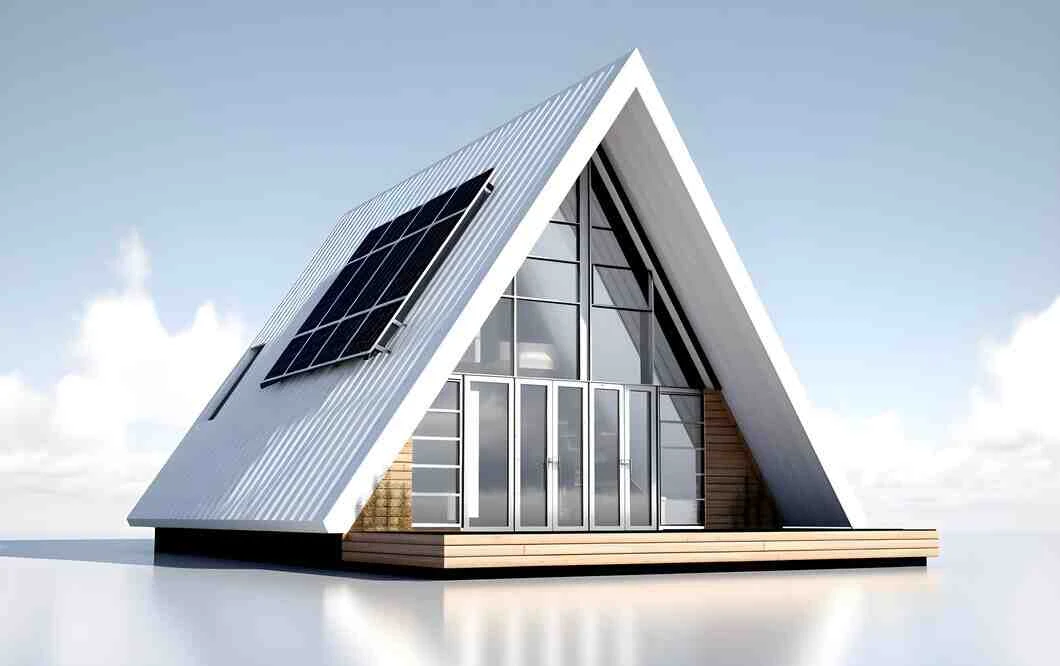
In an era where environmental concerns are at the forefront of our global consciousness, the concept of sustainable architecture has gained significant traction. Sustainable architecture, often referr...
Embarking on a home improvement project can be an exciting but challenging endeavor. When it comes to significant changes, two primary options often come to mind: renovating your existing home or buil...
Sign up to start winning an unlimited amount of jobs near you.


 Electrician
Gas Engineer
Electrician
Gas Engineer


Send more enquiries and explore your options
Increasing the number of potentials leads for you!
Have more control and flexibility over your finances!