

1. **Wider Doorways and Entryways**
Accessible bathrooms should have wider doorways and entryways to accommodate wheelchairs or mobility aids. A minimum clearance width of 36 inches is generally recommended to ensure easy entry and exit.
2. **Non-Slip Flooring**
Choose flooring materials that are slip-resistant to prevent accidents. Options like textured tiles or non-slip vinyl are excellent choices. Ensure that the flooring is even, with no abrupt changes in height.
3. **Curbless Shower or Roll-In Shower**
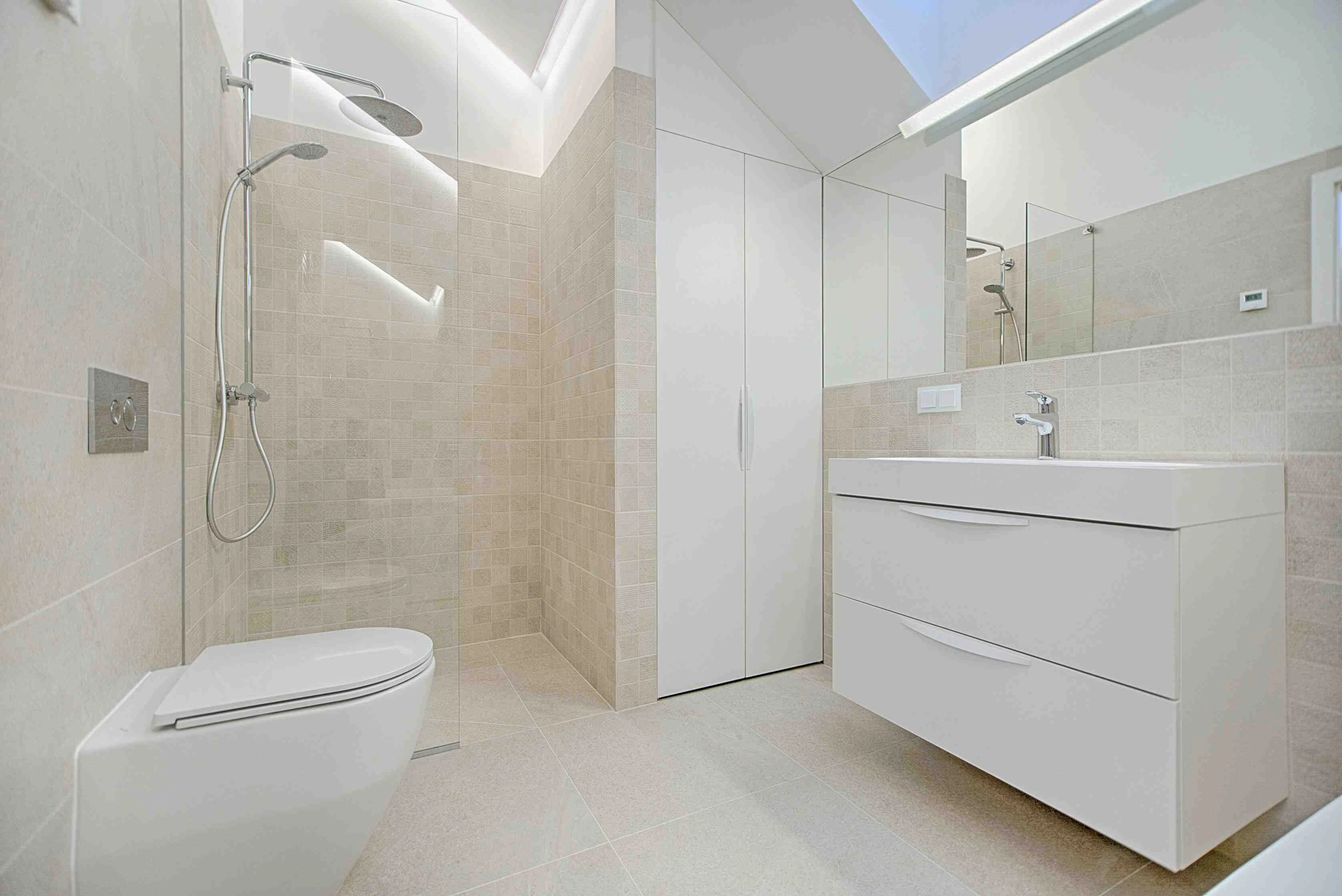
A curbless or roll-in shower eliminates the need for a step or curb, making it easy for wheelchair users to enter and exit the shower area. Install a linear drain to ensure proper water drainage.
4. **Accessible Sink and Countertop**
Mount the sink at a height that allows wheelchair users to comfortably reach it. Under-sink clearance is also crucial, allowing users to approach the sink without obstacles. Wall-mounted or floating sinks can provide additional space beneath.
5. **Grab Bars and Handrails**
Install grab bars and handrails strategically throughout the bathroom to assist with stability and support. These should be securely anchored to the wall and capable of bearing weight. Place grab bars near the toilet, shower, and bathtub.
6. **Accessible Toilet**
An accessible toilet should be of an appropriate height to facilitate easy transfers from wheelchairs or other mobility aids. Consider installing a raised toilet seat if necessary. Adequate space around the toilet is essential for maneuverability.
7. **Accessible Controls and Fixtures**
Choose lever-style faucets and handles for easy gripping and use. Install thermostatic or pressure-balanced shower controls to prevent sudden temperature changes, which can be particularly dangerous for individuals with limited sensation.
8. **Shower Seating**
Provide a built-in shower seat or a folding shower seat to allow users to sit while showering. The seat should be sturdy, slip-resistant, and capable of supporting the user"s weight.
9. **Ample Lighting**
Good lighting is essential in an accessible bathroom. Adequate illumination helps prevent accidents and allows users to see clearly. Consider installing motion-activated lighting for added convenience.
10. **Accessible Storage**
Ensure that storage areas, such as vanity cabinets and shelves, are within reach for individuals with limited mobility. Use pull-out or pull-down shelves to maximize accessibility.
11. **Universal Design Principles**
Consider universal design principles in your bathroom layout. These principles prioritize inclusivity and ensure that everyone, regardless of age or ability, can use the bathroom comfortably.
12. **Professional Advice and Consultation**
If you are unsure about specific accessibility requirements or how to best implement them in your bathroom, consult with a certified accessibility specialist or occupational therapist. They can provide guidance tailored to your needs and space.
Conclusion
Creating an accessible bathroom is a compassionate and inclusive approach to home design. By considering the needs of individuals with mobility challenges or disabilities, you not only improve the quality of life for those individuals but also enhance the functionality and versatility of your bathroom for everyone. Accessible bathrooms are a testament to the importance of designing spaces that cater to diverse needs, promoting independence, safety, and inclusivity.
Your home is not just a place to live; it"s an expression of your personality and style. One of the most exciting aspects of homeownership is choosing the architectural style that best reflects your t...

Selecting the right architect is a pivotal step in ensuring the success of your construction project, whether it"s a commercial venture or a home improvement project. Architects play a crucial role in...

Architectural design is a complex and creative process that transforms ideas and concepts into tangible structures that shape our built environment. Whether it"s a stunning skyscraper, a sustainable h...
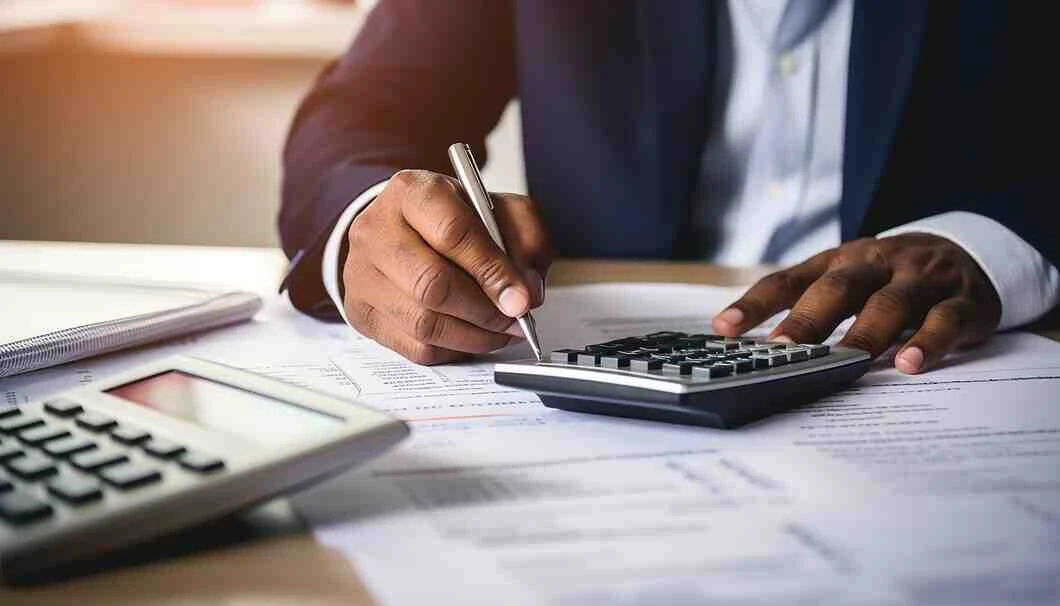
Embarking on an architectural project, whether it"s designing your dream home, renovating a commercial space, or constructing a public building, demands meticulous financial planning. Budgeting is a c...
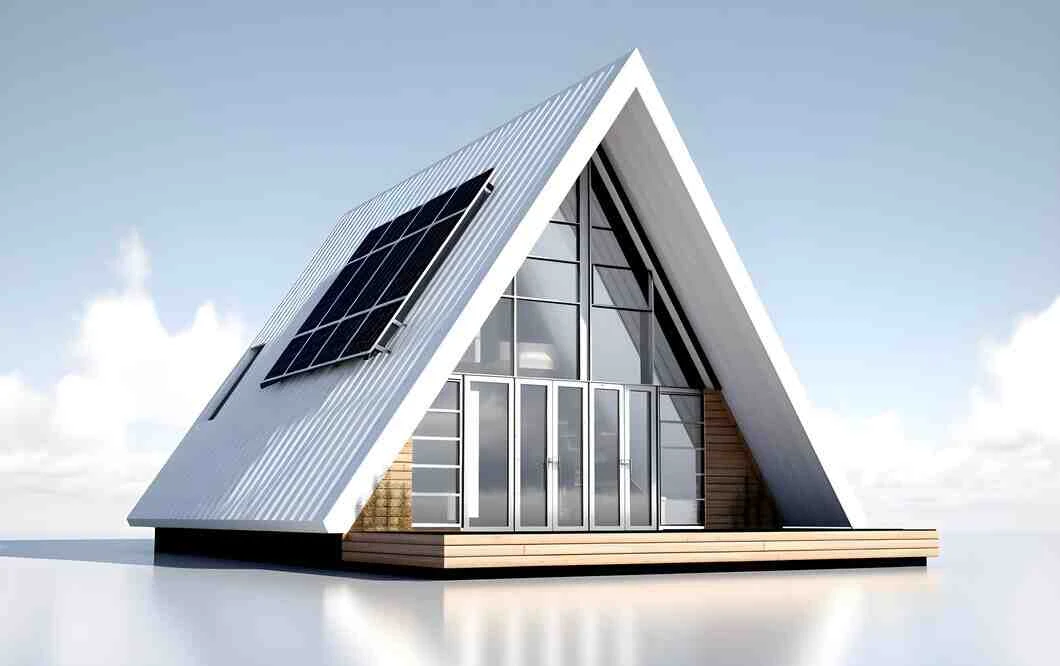
In an era where environmental concerns are at the forefront of our global consciousness, the concept of sustainable architecture has gained significant traction. Sustainable architecture, often referr...
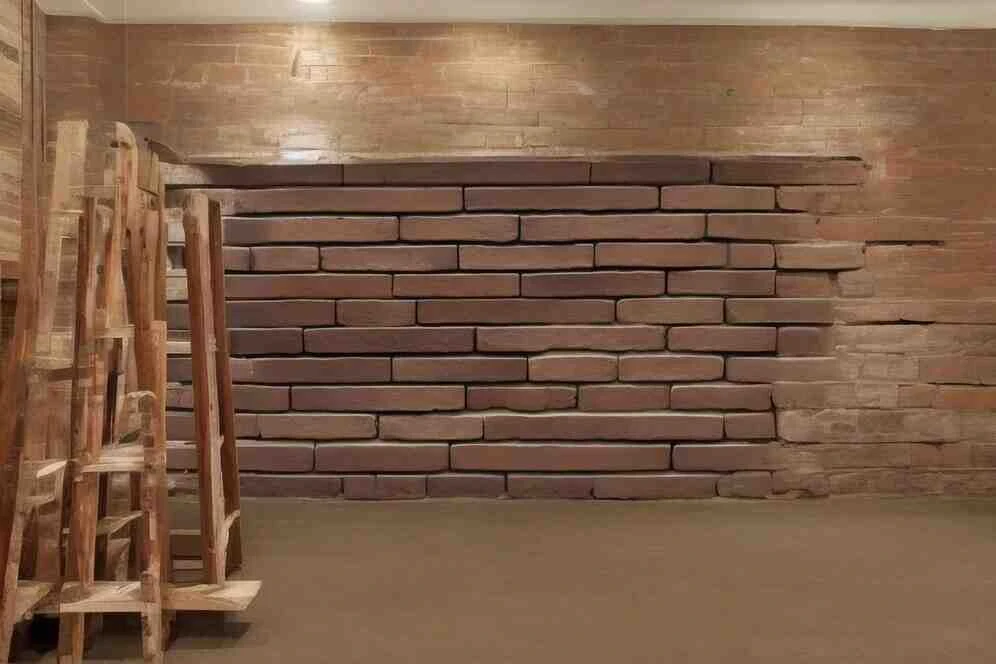
Embarking on a home improvement project can be an exciting but challenging endeavor. When it comes to significant changes, two primary options often come to mind: renovating your existing home or buil...
Sign up to start winning an unlimited amount of jobs near you.


 Electrician
Gas Engineer
Electrician
Gas Engineer


Send more enquiries and explore your options
Increasing the number of potentials leads for you!
Have more control and flexibility over your finances!