


**1. Public Liability Insurance**
Public liability insurance is a fundamental type of coverage for loft conversion professionals. It provides protection in the event of accidents or injuries that occur on or near the construction site. This can include incidents like a visitor slipping on debris or being injured by falling objects. Public liability insurance covers the cost of legal claims and compensation, which can be significant in the event of an accident.
**2. Employers" Liability Insurance**
If you have employees or subcontractors working on your loft conversion projects, employers" liability insurance is a legal requirement in most countries. This coverage is essential in case your workers suffer injuries or illnesses while on the job. It helps pay for medical expenses and compensation for lost wages, safeguarding both your employees and your business.
**3. Contractors All Risk (CAR) Insurance**
CAR insurance is designed to protect construction projects, including loft conversions, from unforeseen events like fire, theft, damage, or vandalism. It covers the cost of repairing or replacing the structure and materials, ensuring your project stays on track even in the face of unexpected setbacks.
**4. Professional Indemnity Insurance**
Professional indemnity insurance is vital for architects, engineers, and other design professionals involved in loft conversions. It offers protection if a client claims that errors or omissions in your designs or recommendations have caused financial losses or other harm. This coverage can also cover legal defense costs.
**5. Product Liability Insurance**
Product liability insurance is relevant if your loft conversion project involves the installation of products or materials, such as windows or insulation. In the event that defects in these products cause harm or damage, product liability insurance can protect you from financial responsibility.
**6. Legal Responsibilities**
Understanding your legal responsibilities is paramount in avoiding liability issues. Ensure that you adhere to building codes, regulations, and safety standards. Regular inspections, quality control, and documentation of the construction process can help demonstrate due diligence and reduce the risk of legal liability.
**7. Contracts and Agreements**
Well-drafted contracts and agreements are essential in loft conversion projects. Clearly outline the roles and responsibilities of all parties involved, including subcontractors, suppliers, and clients. Include clauses that define insurance requirements, dispute resolution mechanisms, and project timelines.
**8. Risk Management and Safety Protocols**
Implement strict risk management and safety protocols on your construction site. This includes providing training, safety equipment, and regularly inspecting and maintaining equipment and materials. A proactive approach to safety can minimize the likelihood of accidents and liability claims.
**9. Documentation and Records**
Maintain thorough documentation throughout your loft conversion project. This includes records of communications, site inspections, safety procedures, and any changes to the project"s scope. Proper documentation can serve as evidence in case disputes arise.
**10. Consult an Insurance Professional**
Navigating the complexities of insurance and liability in loft conversions services can be challenging. Consult with an insurance professional who specializes in construction and loft conversion projects. They can help you select the right policies, understand the fine print, and ensure that your coverage adequately protects your interests.
Conclusion
Insurance and liability considerations are integral to the success and safety of loft conversion projects. Understanding the different types of insurance coverage, complying with legal requirements, and adopting safety protocols are essential steps in mitigating risks and protecting your business and clients. By being proactive and well-prepared, you can ensure that your loft conversions services are not only successful but also carried out responsibly and with due regard for safety and legal obligations.
Architects play a pivotal role in designing buildings that are not only aesthetically pleasing but also safe and functional. One of the crucial aspects of architectural design is ensuring compliance w...
In the realm of architectural design, aesthetics, and functionality often take center stage. However, a paramount concern that should never be overlooked is safety. The safety of occupants and users i...
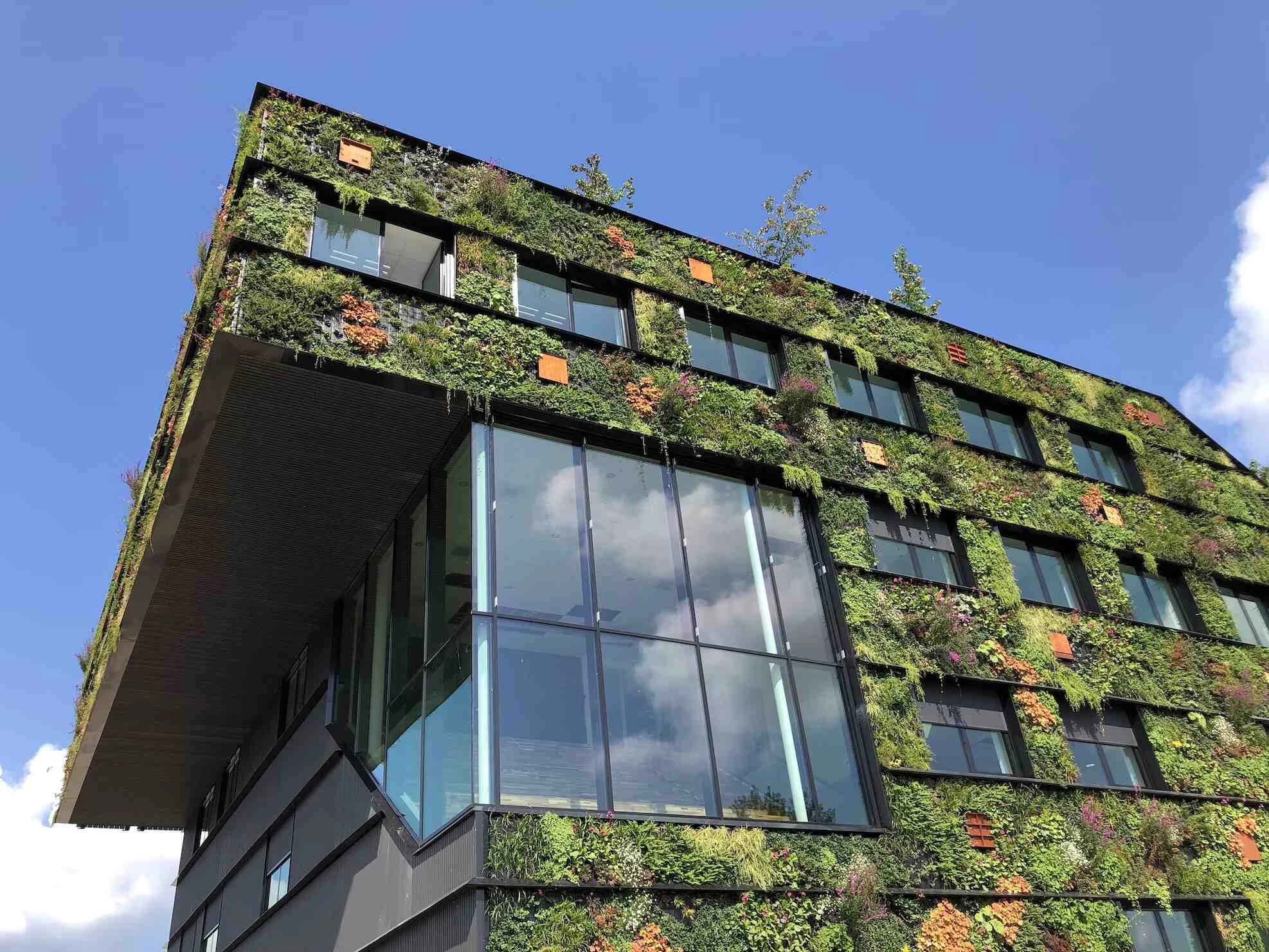
Explore the delicate balance between sustainability innovation and safety regulations in architectural design. Discover how architects create eco-friendly yet safe spaces.
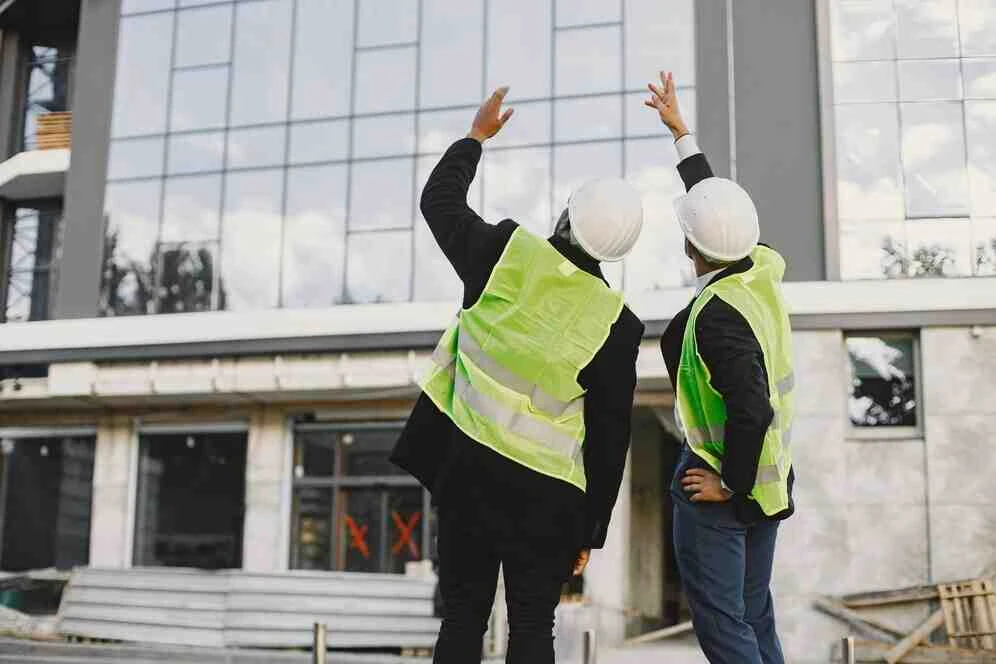
Discover the latest seismic safety innovations for architects in the UK. Stay informed to design resilient structures in low-seismic-risk regions.
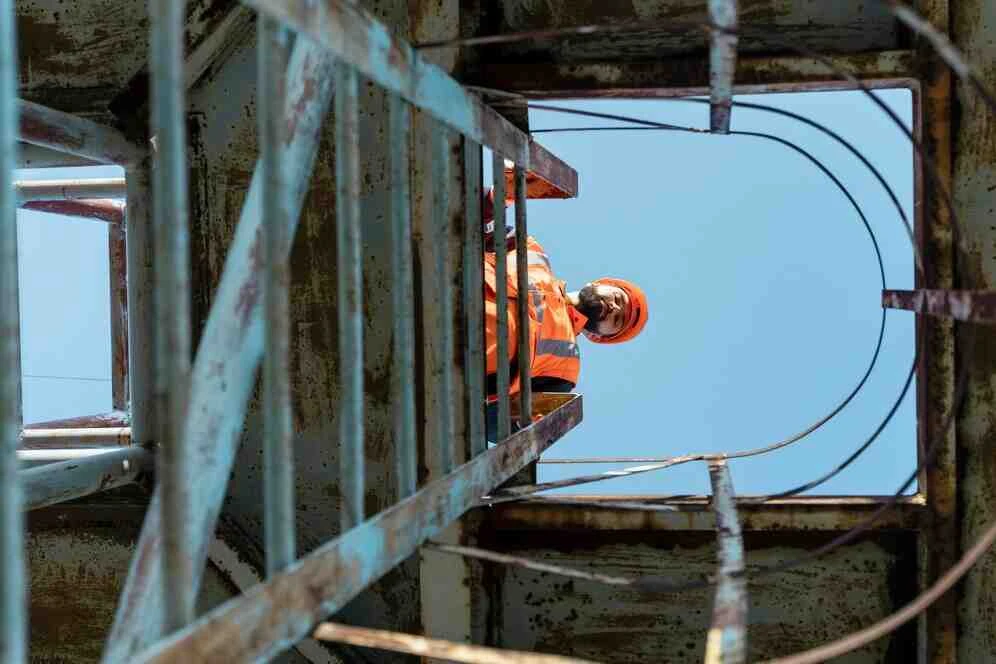
Explore fire safety in UK architecture. Learn about codes, fire-resistant materials, and design strategies to protect lives and property in architectural projects.

Discover the importance of designing inclusively in architecture. Learn how to meet the unique needs of disabled individuals and create accessible spaces for all.
Sign up to start winning an unlimited amount of jobs near you.


 Electrician
Gas Engineer
Electrician
Gas Engineer


Send more enquiries and explore your options
Increasing the number of potentials leads for you!
Have more control and flexibility over your finances!