


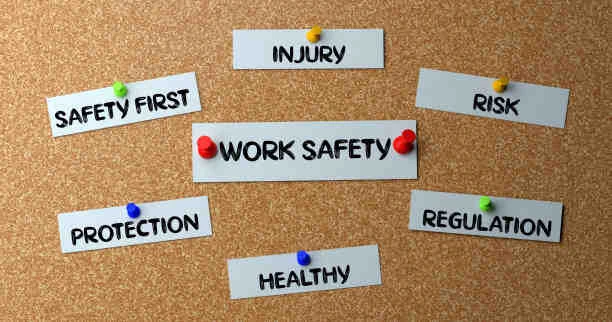
The Importance of Safety Training in Construction Conversion Engineering
1. Risk Mitigation: Safety training equips workers with the knowledge and skills to identify and mitigate potential risks associated with the unique challenges of construction conversion projects. This includes addressing structural issues, working with hazardous materials, and navigating confined spaces.
2. Legal Compliance: Regulatory bodies and industry standards often require safety training for construction workers. Compliance with these regulations is essential to avoid legal issues and financial penalties.
3. Accident Prevention: Proper training can significantly reduce the likelihood of accidents and injuries on the construction site. It ensures that workers are aware of potential hazards and know how to protect themselves and others.
4. Enhanced Productivity: When workers are well-trained in safety protocols, they are more likely to work efficiently and confidently. They are also less likely to make errors that can lead to delays and rework.
5. Improved Reputation: Implementing safety training programs not only protects the well-being of workers but also enhances your business"s reputation. Clients and stakeholders often prefer to work with companies that prioritize safety.
6. Reduced Costs: Fewer accidents mean fewer workers" compensation claims, reduced insurance premiums, and lower overall project costs. Safety training is an investment that can lead to substantial savings in the long run.
Implementing Safety Training Programs in Construction Conversion Engineering
1. Identify Training Needs
Before implementing any safety training program, conduct a thorough assessment of the specific safety needs and challenges within your construction conversion projects. This analysis should consider factors such as structural integrity, hazardous materials, confined spaces, and other unique risks associated with your projects.
2. Develop Comprehensive Training Materials
Once you have identified the specific training needs, create comprehensive training materials that address these challenges. Ensure that your training materials are clear, well-organized, and accessible to all workers. Use a variety of formats, including written documentation, video demonstrations, and in-person training sessions.
3. Qualified Instructors
To ensure the effectiveness of your safety training programs, employ qualified instructors or facilitators with expertise in construction safety. Their knowledge and experience will add credibility to the training and help workers better understand and apply safety principles.
4. Ongoing Training
Safety training is not a one-time event; it should be an ongoing process. Schedule regular refresher courses and updates to keep workers informed about the latest safety practices, industry regulations, and emerging risks.
5. Practical Exercises
Incorporate practical exercises and simulations that allow workers to apply what they"ve learned in a controlled environment. Hands-on experience can help cement safety practices and prepare workers for real-world challenges.
6. Encourage Reporting
Promote a culture of safety by encouraging workers to report safety concerns, incidents, or near misses. Make sure they understand that their input is valued, and that their safety is a top priority.
7. Regular Assessments
Conduct regular assessments to evaluate the effectiveness of your safety training programs. Gather feedback from workers and make adjustments as needed to enhance the quality and relevance of the training.
8. Certification and Recognition
Consider implementing a certification or recognition system for workers who complete safety training successfully. This not only motivates individuals to take training seriously but also signals to clients and partners that your team is well-prepared to handle safety concerns.
Conclusion
Safety training is a cornerstone of success in construction conversion engineering. By identifying specific training needs, developing comprehensive materials, and committing to ongoing training, you can ensure that your projects are executed safely and efficiently. Safety training is not just a legal requirement; it"s an investment in the well-being of your workers and the success of your construction conversion projects. Prioritizing safety in your organization can lead to enhanced productivity, reduced costs, and an outstanding reputation in the industry.

Architects play a pivotal role in designing buildings that are not only aesthetically pleasing but also safe and functional. One of the crucial aspects of architectural design is ensuring compliance w...

In the realm of architectural design, aesthetics, and functionality often take center stage. However, a paramount concern that should never be overlooked is safety. The safety of occupants and users i...

Explore the delicate balance between sustainability innovation and safety regulations in architectural design. Discover how architects create eco-friendly yet safe spaces.
Discover the latest seismic safety innovations for architects in the UK. Stay informed to design resilient structures in low-seismic-risk regions.
Explore fire safety in UK architecture. Learn about codes, fire-resistant materials, and design strategies to protect lives and property in architectural projects.

Discover the importance of designing inclusively in architecture. Learn how to meet the unique needs of disabled individuals and create accessible spaces for all.
Sign up to start winning an unlimited amount of jobs near you.


 Electrician
Gas Engineer
Electrician
Gas Engineer


Send more enquiries and explore your options
Increasing the number of potentials leads for you!
Have more control and flexibility over your finances!