


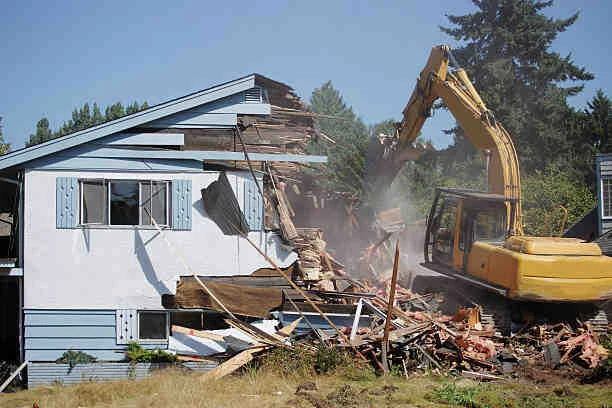
Define Your Objectives
Before diving into the logistics of demolition, it"s crucial to establish clear objectives for your project. Ask yourself:
Why are you demolishing the structure?
What do you hope to achieve with this demolition?
Are you removing the structure to make space for a new one, or is it a safety concern?
Defining your objectives will not only give you a clear sense of purpose but will also guide your budgeting decisions.
Conduct a Site Assessment
Once you"ve identified your goals, it"s time to assess the site thoroughly. A site assessment helps you gain a deeper understanding of the project"s complexities, ensuring that you budget accurately. Here"s what you need to consider:
a. Structure and Materials: Analyze the type of structure to be demolished and the materials used. Different materials require various demolition techniques and equipment.
b. Environmental Concerns: Determine if any environmental concerns, such as hazardous materials (asbestos, lead, etc.), exist on the site. Proper handling and disposal of these materials can add significantly to your budget.
c. Site Accessibility: Assess how easily heavy machinery can access the site. Limited access might require more time and resources to complete the project.
d. Permit and Regulation: Identify local regulations and permits required for the demolition. Failure to comply with legal requirements can lead to fines and project delays.
Set a Realistic Budget
With a clear understanding of your objectives and the site"s conditions, you can now create a realistic budget for your demolition project. Keep the following factors in mind:
a. Demolition Method: Depending on the structure and materials involved, you"ll need to choose the appropriate demolition method. Common methods include implosion, mechanical demolition, and deconstruction. Each has its associated costs.
b. Hazardous Materials Removal: If hazardous materials are present, budget for their safe removal and disposal. This can be a significant expense.
c. Equipment and Labor: Estimate the cost of heavy machinery, labor, and skilled professionals needed to carry out the project efficiently.
d. Waste Disposal: Consider the costs of disposing of debris and waste materials. Recycling or reusing materials can help offset these expenses.
e. Permits and Regulatory Compliance: Allocate funds for permits and compliance with local regulations, as non-compliance can lead to costly setbacks.
f. Contingency Fund: Always include a contingency fund in your budget to account for unexpected expenses or changes in the project"s scope.
Choose the Right Demolition Contractor
Selecting the right demolition contractor is a critical decision that will significantly impact the success of your project. To ensure you"re making the best choice, follow these steps:
a. Research and Shortlist: Start by researching local demolition contractors and create a shortlist of potential candidates. Seek referrals from other professionals in the construction industry and check online reviews.
b. Check Credentials: Verify that each contractor is licensed, insured, and has the necessary permits and certifications to handle your specific project.
c. Request Bids: Contact the shortlisted contractors and request detailed bids for your project. Compare the proposals to ensure they align with your objectives and budget.
d. Review Past Projects: Ask for references and review the contractor"s past projects. This will give you an idea of their experience and quality of work.
e. Communication: Choose a contractor with whom you have clear and open communication. A transparent partnership is crucial for a successful project.
Create a Project Timeline
A well-defined project timeline is essential for staying on track and within budget. Consider the following aspects when creating your timeline:
a. Pre-Demolition Tasks: Plan for tasks like obtaining permits, clearing the site, and addressing environmental concerns before the actual demolition.
b. Demolition Phases: Break down the demolition into phases and set deadlines for each to ensure a systematic approach.
c. Waste Removal: Coordinate waste removal and disposal schedules to keep the site clean and safe.
d. Post-Demolition Tasks: Factor in post-demolition activities, such as site remediation, grading, and preparation for future construction.
e. Contingency: As with your budget, include a buffer in your timeline for unforeseen delays.
Monitor and Manage Costs
As your demolition project progresses, it"s crucial to monitor and manage costs effectively. Here"s how:
a. Regular Updates: Stay in close contact with your contractor to receive regular updates on expenses and progress.
b. Change Orders: Any changes to the project"s scope should be documented as change orders, with associated cost adjustments.
c. Quality Control: Ensure that the demolition work is of the highest quality, reducing the need for costly rework.
d. Documentation: Keep thorough records of all transactions and expenses related to the project.
e. Cost Control Measures: Implement cost-control measures whenever possible, such as recycling materials or reusing salvaged components.
Completion and Post-Demolition Cleanup
Once the demolition is complete, it"s essential to address post-demolition cleanup. This includes:
a. Waste Removal: Ensure that all debris and waste materials are properly disposed of or recycled, as applicable.
b. Site Remediation: Re-grade the site, removing any remnants of the demolished structure, and prepare it for future construction.
c. Final Inspections: Schedule inspections to confirm that all regulations have been followed, and the site is safe and clean.
d. Closeout Documentation: Obtain all necessary documentation from your contractor, including final project costs, permits, and inspections.
Conclusion
Planning and budgeting for a demolition project is a complex but manageable task when approached with care and diligence. By defining your objectives, conducting a thorough site assessment, setting a realistic budget, choosing the right contractor, creating a project timeline, monitoring and managing costs, and completing post-demolition cleanup, you can ensure a successful demolition project that is on time and on budget. With careful planning and attention to detail, you"ll be well-prepared to tackle your next demolition project with confidence.

Your home is not just a place to live; it"s an expression of your personality and style. One of the most exciting aspects of homeownership is choosing the architectural style that best reflects your t...

Selecting the right architect is a pivotal step in ensuring the success of your construction project, whether it"s a commercial venture or a home improvement project. Architects play a crucial role in...

Architectural design is a complex and creative process that transforms ideas and concepts into tangible structures that shape our built environment. Whether it"s a stunning skyscraper, a sustainable h...

Embarking on an architectural project, whether it"s designing your dream home, renovating a commercial space, or constructing a public building, demands meticulous financial planning. Budgeting is a c...
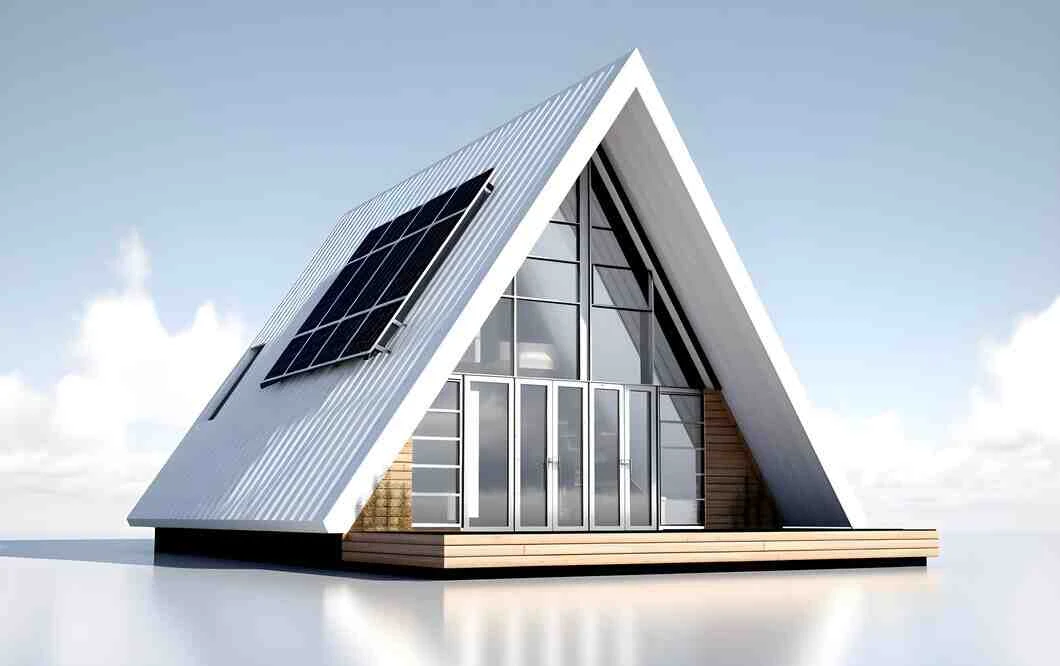
In an era where environmental concerns are at the forefront of our global consciousness, the concept of sustainable architecture has gained significant traction. Sustainable architecture, often referr...
Embarking on a home improvement project can be an exciting but challenging endeavor. When it comes to significant changes, two primary options often come to mind: renovating your existing home or buil...
Sign up to start winning an unlimited amount of jobs near you.


 Electrician
Gas Engineer
Electrician
Gas Engineer


Send more enquiries and explore your options
Increasing the number of potentials leads for you!
Have more control and flexibility over your finances!