


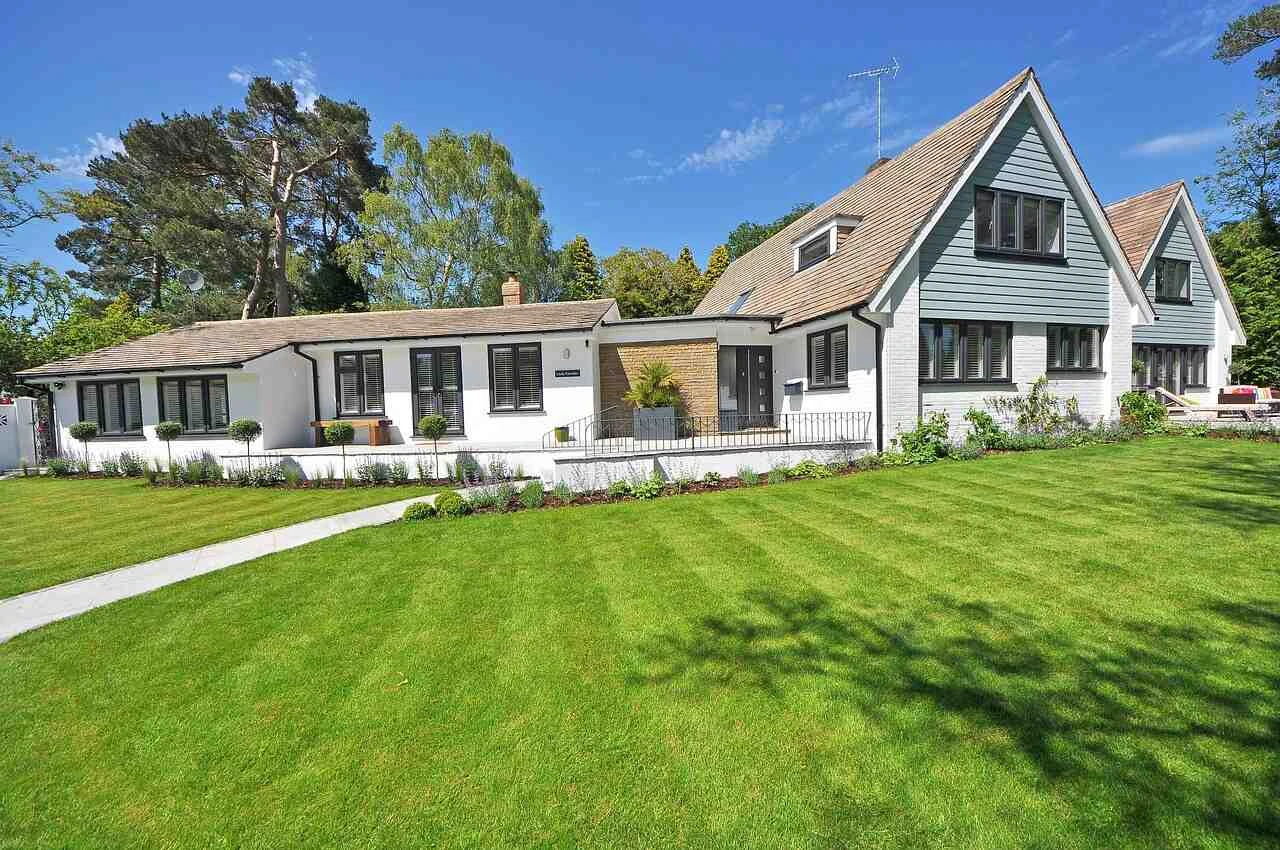
1. Define Your Garden"s Purpose
Before you embark on your garden planning and budgeting journey, you need a clear understanding of what you want to achieve. Consider your garden"s primary purpose: Is it a serene retreat, a place for outdoor entertaining, a sustainable vegetable garden, or a mix of these? Defining your garden"s purpose will guide your design and budget.
2. Take Stock of Your Space
Assess the available space and understand its characteristics. Observe the sun patterns, soil quality, and drainage. This information is crucial for selecting the right plants and planning hardscape elements. Make note of any existing structures, such as trees, fences, or structures, that you"d like to incorporate into your garden design.
3. Set Your Budget
Creating a budget is essential to ensure your garden project stays on track financially. Start by setting a realistic budget based on your financial capacity and the scope of your garden project. Be sure to account for both the initial expenses and ongoing maintenance costs.
4. Create a Design Plan
A well-thought-out garden design is a crucial step in achieving a beautiful garden. Consider hiring a professional landscape designer to help you create a plan that maximizes your space"s potential. Alternatively, you can research and design your garden yourself. The design should incorporate hardscape elements, plant selections, and a layout that aligns with your garden"s purpose.
5. Break Down Costs
With your garden design in hand, break down the costs of different elements. Consider expenses like plants, soil amendments, hardscape materials (e.g., paths, patios, fences), garden tools, and any professional services you might need. Be sure to account for contingencies to cover unexpected expenses.
6. Prioritize and Phases
If your budget doesn"t cover all your garden plans at once, prioritize and consider phasing the project. Start with the most essential elements or the areas you spend the most time in. Phasing allows you to complete your garden over time without compromising the overall vision.
7. Cost-Saving Strategies
Explore cost-saving strategies to make the most of your budget. Consider propagating plants from cuttings, buying in-season plants, and doing some DIY hardscape work if you have the skills. Additionally, search for local garden sales, or consider borrowing tools or equipment when possible.
8. Obtain Multiple Quotes
When working with professionals, such as landscape contractors or garden designers, obtain multiple quotes to ensure you get the best value for your budget. Be sure to choose experienced and reputable professionals who understand your vision.
9. Regular Maintenance
Remember that a beautiful garden requires ongoing maintenance. Factor in recurring costs such as watering, fertilizers, pruning, and pest control. Proper maintenance is essential to preserve your garden"s beauty.
10. Keep a Garden Journal
Throughout the planning, budgeting, and creation phases, keep a garden journal. Document expenses, plant choices, and maintenance schedules. A garden journal will help you track costs and maintain your garden effectively.
Conclusion
Planning and budgeting for a beautiful garden is a process that requires thoughtful consideration and financial discipline. By defining your garden"s purpose, setting a realistic budget, creating a design plan, breaking down costs, and considering cost-saving strategies, you can transform your outdoor space into a breathtaking garden that brings you joy for years to come. Remember, gardening is not just an expense; it"s an investment in your well-being and the natural beauty that surrounds you.
Your home is not just a place to live; it"s an expression of your personality and style. One of the most exciting aspects of homeownership is choosing the architectural style that best reflects your t...

Selecting the right architect is a pivotal step in ensuring the success of your construction project, whether it"s a commercial venture or a home improvement project. Architects play a crucial role in...

Architectural design is a complex and creative process that transforms ideas and concepts into tangible structures that shape our built environment. Whether it"s a stunning skyscraper, a sustainable h...

Embarking on an architectural project, whether it"s designing your dream home, renovating a commercial space, or constructing a public building, demands meticulous financial planning. Budgeting is a c...
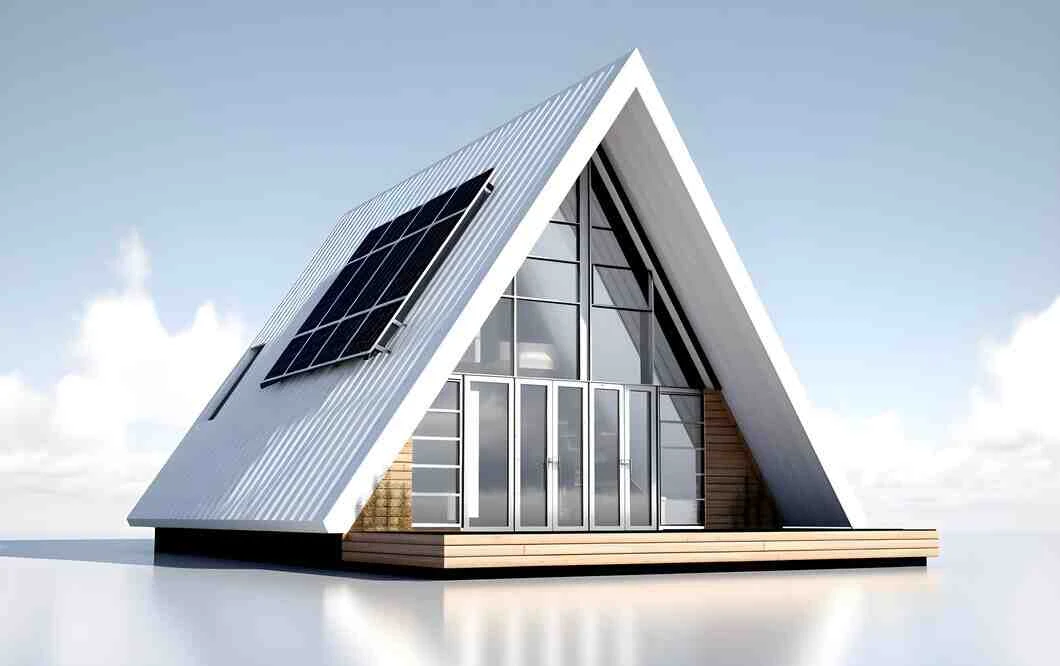
In an era where environmental concerns are at the forefront of our global consciousness, the concept of sustainable architecture has gained significant traction. Sustainable architecture, often referr...
Embarking on a home improvement project can be an exciting but challenging endeavor. When it comes to significant changes, two primary options often come to mind: renovating your existing home or buil...
Sign up to start winning an unlimited amount of jobs near you.


 Electrician
Gas Engineer
Electrician
Gas Engineer


Send more enquiries and explore your options
Increasing the number of potentials leads for you!
Have more control and flexibility over your finances!