


Chapter 1: Assessing Your Needs and Lifestyle
Before delving into the world of flooring materials, it"s essential to evaluate your specific needs and lifestyle. Different areas of your home will have distinct requirements, and understanding these can help narrow down your options.
1.1 High-Traffic Areas
Consider the areas in your home that experience the most foot traffic, such as the entryway, kitchen, and living room.
Opt for durable flooring options like hardwood, laminate, or luxury vinyl for these spaces to withstand wear and tear.
1.2 Pets and Kids
If you have pets or young children, you"ll need flooring that"s easy to clean, scratch-resistant, and comfortable for little feet and paws.
Consider waterproof options like tile, luxury vinyl, or bamboo, as they are pet-friendly and easy to maintain.
1.3 Allergies and Health Concerns
People with allergies or respiratory issues should choose flooring that doesn"t trap allergens.
Hard surfaces like tile, laminate, or vinyl are ideal as they are easy to clean and don"t harbor dust mites or mold.
Chapter 2: Understanding Different Flooring Materials
Now that you"ve assessed your needs, let"s explore various flooring materials and their characteristics:
2.1 Hardwood Flooring
Timeless and elegant, hardwood floors add warmth and charm to any home.
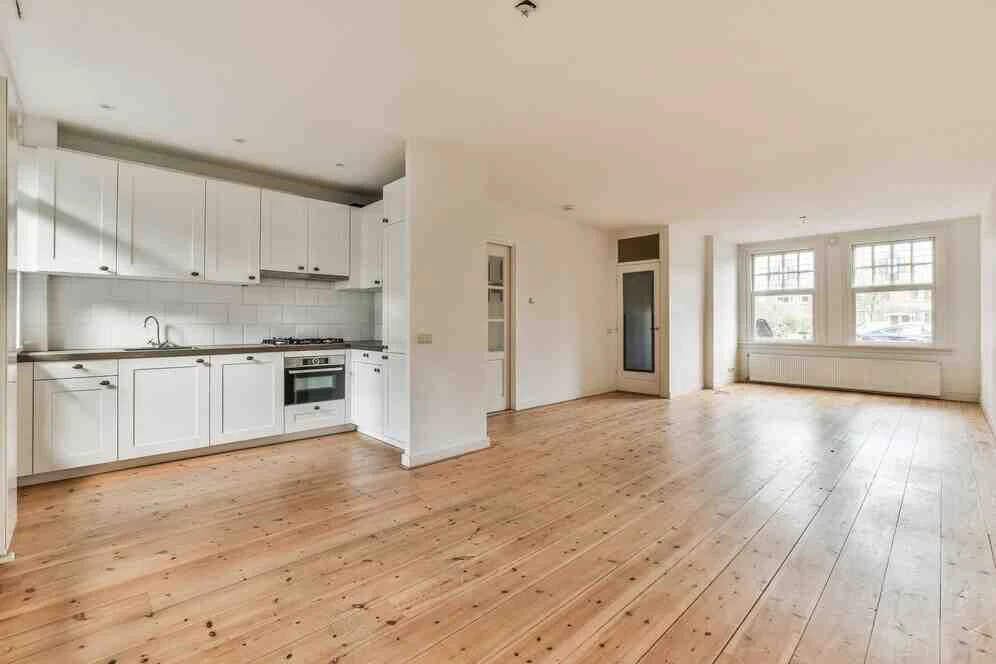
Available in a variety of wood species, colors, and finishes.
Requires regular maintenance and can be vulnerable to moisture and scratches.
2.2 Laminate Flooring
Resembles hardwood but is more affordable and easy to maintain.
Features a durable, scratch-resistant top layer and a high-density fiberboard core.
Not suitable for areas prone to moisture.
2.3 Tile Flooring
Available in ceramic, porcelain, and natural stone options.
Extremely durable, waterproof, and resistant to stains.
Ideal for bathrooms, kitchens, and high-moisture areas.
2.4 Luxury Vinyl Flooring
Mimics the look of hardwood or tile but with added durability and water resistance.
Comes in planks or tiles with various styles, including wood and stone textures.
Easy to install and maintain.
2.5 Carpet Flooring
Soft and comfortable underfoot, perfect for bedrooms and living rooms.
Comes in a wide range of colors and textures.
Prone to stains and requires regular cleaning.
2.6 Bamboo Flooring
A sustainable option made from rapidly renewable bamboo.
Harder than most hardwoods and resistant to moisture.
Available in various styles and finishes.
Chapter 3: Budget Considerations
Your budget plays a significant role in determining the type of flooring you can choose. Here are some budget considerations to keep in mind:
3.1 Initial Cost vs. Long-term Expenses
Some flooring options, like hardwood, may have a higher upfront cost but can last for decades.
Consider the long-term value and durability of your choice.
3.2 Installation Costs
Installation costs can vary widely depending on the type of flooring you choose.
DIY options like laminate and luxury vinyl may save on installation expenses.
3.3 Maintenance and Repairs
Factor in maintenance and repair costs over the lifespan of your chosen flooring.
Carpets may require frequent cleaning, while hardwood may need occasional refinishing.
Chapter 4: Style and Aesthetics
4.1 Finding Your Style
Your flooring choice should complement your overall interior design style.
Whether you prefer traditional, modern, rustic, or eclectic, there"s a flooring option to match.
4.2 Color and Finish
Consider the color and finish that best suits your space.
Lighter colors can make a room appear larger, while darker colors add warmth and coziness.
4.3 Patterns and Layout
Experiment with different patterns and layouts to create visual interest.
Herringbone, chevron, and diagonal installations can elevate the look of your floors.
Chapter 5: Eco-Friendly Options
If sustainability is a priority, there are eco-friendly flooring choices to consider:
5.1 Recycled Materials
Some flooring materials are made from recycled content, reducing environmental impact.
Look for options like recycled glass tile or reclaimed wood.
5.2 Renewable Resources
Bamboo and cork flooring are derived from rapidly renewable resources.
These materials are harvested without causing long-term harm to the environment.
5.3 Low-VOC and Formaldehyde-Free
Choose flooring products that are low in volatile organic compounds (VOCs) and formaldehyde.
These options contribute to better indoor air quality.
Chapter 6: Practical Considerations
6.1 Installation and Maintenance
Determine whether you"ll install the flooring yourself or hire professionals.
Research maintenance requirements to ensure you can commit to proper care.
6.2 Warranty and Durability
Check the warranty and durability of your chosen flooring.
Ensure it can withstand your home"s specific conditions.
6.3 Resale Value
Flooring choices can impact your home"s resale value.
Neutral, classic options often appeal to a broader range of buyers.
Conclusion
Choosing the right flooring for your home is a significant decision that involves careful consideration of your lifestyle, budget, style preferences, and environmental concerns. By assessing your needs and understanding the characteristics of different flooring materials, you can make an informed choice that enhances the beauty, comfort, and functionality of your living space. Remember, the perfect flooring is not just beneath your feet; it"s an integral part of your home"s identity.
Your home is not just a place to live; it"s an expression of your personality and style. One of the most exciting aspects of homeownership is choosing the architectural style that best reflects your t...

Selecting the right architect is a pivotal step in ensuring the success of your construction project, whether it"s a commercial venture or a home improvement project. Architects play a crucial role in...

Architectural design is a complex and creative process that transforms ideas and concepts into tangible structures that shape our built environment. Whether it"s a stunning skyscraper, a sustainable h...

Embarking on an architectural project, whether it"s designing your dream home, renovating a commercial space, or constructing a public building, demands meticulous financial planning. Budgeting is a c...
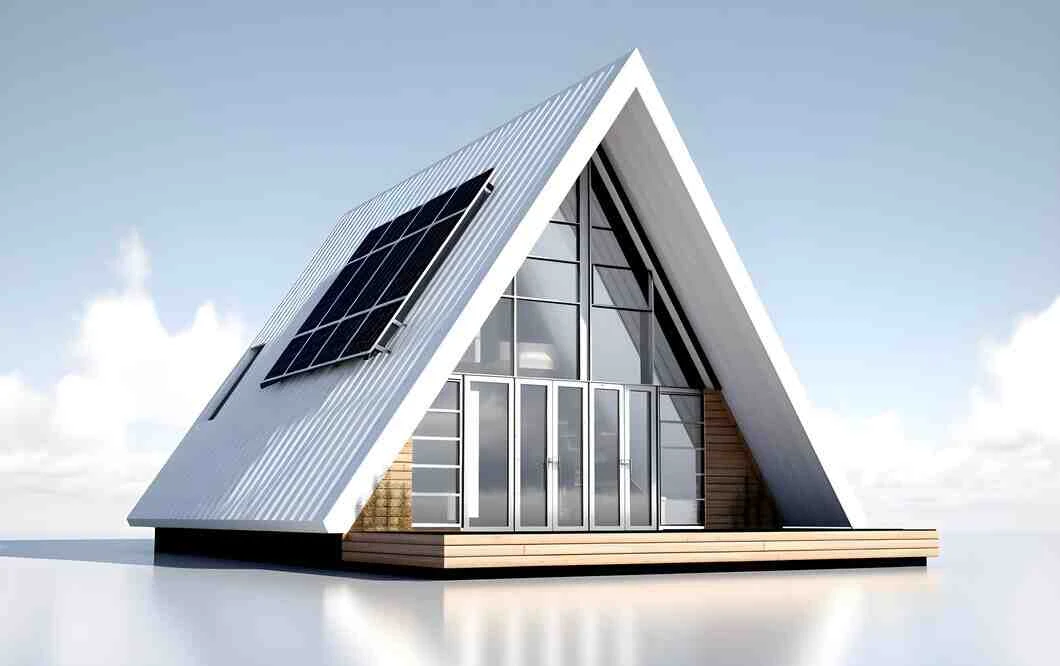
In an era where environmental concerns are at the forefront of our global consciousness, the concept of sustainable architecture has gained significant traction. Sustainable architecture, often referr...
Embarking on a home improvement project can be an exciting but challenging endeavor. When it comes to significant changes, two primary options often come to mind: renovating your existing home or buil...
Sign up to start winning an unlimited amount of jobs near you.


 Electrician
Gas Engineer
Electrician
Gas Engineer


Send more enquiries and explore your options
Increasing the number of potentials leads for you!
Have more control and flexibility over your finances!