


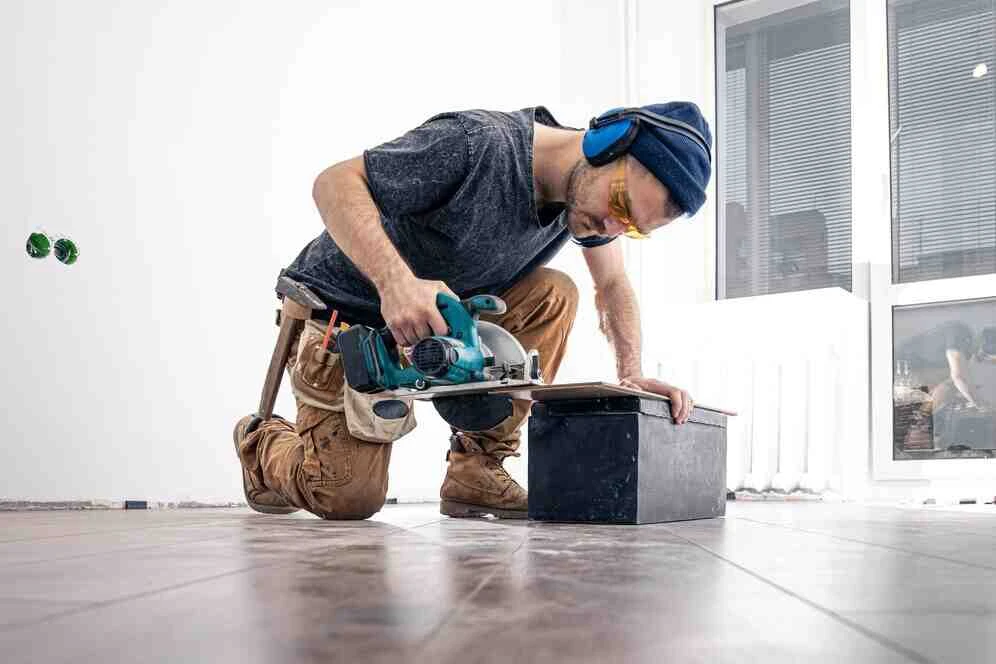
In this comprehensive guide, we"ll explore the world of hazardous materials in flooring, from identification and assessment to safe handling and disposal. By the end of this article, you"ll be equipped with the knowledge and tools needed to tackle these challenges head-on while ensuring the safety of both yourself and the environment.
Chapter 1: Identifying Hazardous Materials
Before diving into a flooring project, it"s vital to identify potentially hazardous materials that you may encounter. Here are some common hazardous materials in flooring:
1.1 Asbestos
Asbestos, once hailed for its fire-resistant properties, is now known to be highly hazardous. It was widely used in flooring materials before the dangers were realized. Identifying asbestos-containing materials (ACMs) is crucial, as disturbing them can release harmful fibers into the air.
1.2 Lead-Based Paint
In older homes, lead-based paint might be present on wooden floors. Sanding or removing these surfaces can release lead dust, posing severe health risks.
1.3 Mold and Mildew
Moisture-prone areas like bathrooms and basements are susceptible to mold and mildew growth beneath flooring materials. Inhalation of mold spores can lead to respiratory issues.
1.4 VOCs (Volatile Organic Compounds)
Some flooring materials, like certain types of adhesives, emit VOCs. Prolonged exposure to these compounds can result in various health problems.
Chapter 2: Risk Assessment
Now that you know what hazardous materials to look out for, it"s time to assess the risks associated with your flooring project.
2.1 Visual Inspection
Conduct a thorough visual inspection of the area. Look for signs of damage or deterioration in flooring materials. If you suspect asbestos or lead-based paint, consult a professional for testing.
2.2 Testing
For suspected hazardous materials, it"s best to have them tested by certified professionals. They can accurately determine the presence and extent of hazardous substances.
2.3 Understanding Regulations
Familiarize yourself with local, state, and federal regulations regarding hazardous materials handling. Compliance is crucial to avoid legal issues.
Chapter 3: Safe Handling and Removal
Handling hazardous materials in flooring work requires a cautious and methodical approach to ensure safety.
3.1 Personal Protective Equipment (PPE)
Always wear appropriate PPE, including respiratory masks, gloves, protective clothing, and eyewear, when dealing with hazardous materials.
3.2 Containment
To prevent the spread of hazardous materials, establish a containment area with plastic sheeting and negative air pressure. This minimizes the risk of contamination.
3.3 Wet Methods
When removing hazardous materials like asbestos, use wet methods to minimize dust production. This prevents the release of harmful particles into the air.
3.4 Proper Disposal
Dispose of hazardous materials in accordance with local regulations. Contact your local waste disposal facility for guidance on proper disposal methods.
Chapter 4: Minimizing Health Risks
Protecting your health and the health of others involved in the project is paramount.
4.1 Ventilation
Ensure adequate ventilation in the work area to reduce exposure to hazardous fumes or dust.
4.2 Hygiene
Implement strict hygiene practices, such as frequent handwashing and cleaning of tools and equipment, to prevent contamination.
4.3 Regular Breaks
Take regular breaks to minimize continuous exposure to hazardous materials.
Chapter 5: Alternative Flooring Solutions
If you discover hazardous materials during your project, you may need to consider alternative flooring solutions.
5.1 Encapsulation
In some cases, encapsulation can be used to seal hazardous materials like asbestos, rendering them safe and leaving them undisturbed.
5.2 Flooring Removal and Replacement
If hazardous materials are extensive and pose a significant risk, it may be necessary to remove and replace the entire flooring.
Conclusion
Handling hazardous materials in flooring work demands diligence, expertise, and a commitment to safety. Identifying these materials, assessing risks, and following strict safety protocols are essential to protect yourself and the environment. Remember, your health and the health of those around you should always be the top priority. By adhering to regulations and best practices, you can confidently navigate hazardous materials in flooring work, ensuring a safe and successful project outcome.

Architects play a pivotal role in designing buildings that are not only aesthetically pleasing but also safe and functional. One of the crucial aspects of architectural design is ensuring compliance w...
In the realm of architectural design, aesthetics, and functionality often take center stage. However, a paramount concern that should never be overlooked is safety. The safety of occupants and users i...

Explore the delicate balance between sustainability innovation and safety regulations in architectural design. Discover how architects create eco-friendly yet safe spaces.
Discover the latest seismic safety innovations for architects in the UK. Stay informed to design resilient structures in low-seismic-risk regions.
Explore fire safety in UK architecture. Learn about codes, fire-resistant materials, and design strategies to protect lives and property in architectural projects.

Discover the importance of designing inclusively in architecture. Learn how to meet the unique needs of disabled individuals and create accessible spaces for all.
Sign up to start winning an unlimited amount of jobs near you.


 Electrician
Gas Engineer
Electrician
Gas Engineer


Send more enquiries and explore your options
Increasing the number of potentials leads for you!
Have more control and flexibility over your finances!