

In this comprehensive guide, we will delve into the various hazardous materials associated with fireplace maintenance and explore the best practices for managing them safely. Whether you"re a seasoned fireplace enthusiast or a novice, these tips will help you master the flames without compromising your well-being.
The Hazards Lurking in Your Fireplace
Creosote Buildup
One of the most common and hazardous materials found in fireplaces is creosote. Creosote is a highly flammable substance that accumulates on the walls of your chimney as a result of burning wood. Over time, it can become a thick, sticky, and combustible residue that poses a significant fire risk if left unattended.
To handle creosote effectively:
Schedule regular chimney inspections and cleanings by a certified chimney sweep.
Burn seasoned, dry wood to reduce creosote buildup.
Use a creosote removal product or chimney cleaning logs as a preventative measure.
Ash and Soot
Ash and soot are byproducts of burning wood in your fireplace. While not as flammable as creosote, they can still pose health hazards when inhaled and make a mess if not managed properly.
To handle ash and soot:
Use a fireplace ash vacuum for safe and efficient ash removal.
Wear appropriate personal protective equipment (PPE) when cleaning the fireplace.
Dispose of ash and soot in a sealed metal container, away from flammable materials.
Wood Storage and Handling
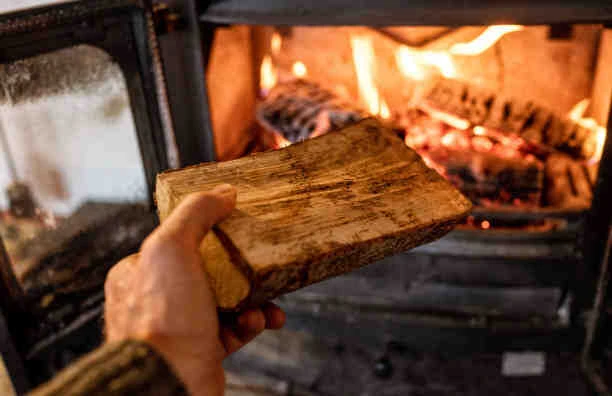
Storing and handling firewood might not seem hazardous, but improper practices can lead to accidents and injuries. Wet or rotting wood can introduce mold, insects, and even create a breeding ground for unwanted pests.
To safely store and handle firewood:
Store wood off the ground on a raised platform.
Keep woodpile covered to protect it from rain and moisture.
Wear gloves and appropriate clothing to prevent splinters and injuries when handling firewood.
Chemical Cleaners and Sealants
Sometimes, you may need to clean or maintain the interior of your fireplace or chimney with chemical cleaners or sealants. These substances can be hazardous if not used correctly and stored securely.
To safely use chemical cleaners and sealants:
Follow manufacturer"s instructions and safety guidelines.
Wear protective gear, such as gloves and eye protection, when using these products.
Store chemicals in a cool, dry, and well-ventilated area, away from open flames and children.
Safety First: Best Practices for Handling Hazardous Materials
Regular Maintenance
The key to safe fireplace operation is regular maintenance. Schedule annual inspections with a certified chimney sweep to assess creosote buildup and structural issues. A well-maintained fireplace is less likely to pose hazards.
Proper Ventilation
Ensure your fireplace area is well-ventilated to prevent the buildup of hazardous gases. Install a carbon monoxide detector to alert you to any dangerous emissions. Also, consider adding a screen or spark arrestor to prevent embers from escaping and causing potential fires.
Safety Equipment
Invest in the right safety equipment, including fire-resistant gloves, safety glasses, and a dust mask when working with hazardous materials like ash and soot. This will protect you from burns, respiratory issues, and eye injuries.
Fire Extinguishers
Keep fire extinguishers in accessible locations in your home. In case of an unexpected fire, having the means to quickly extinguish it can prevent a minor incident from becoming a major disaster.
Safe Disposal
Proper disposal of hazardous materials is vital. Place ash, soot, and creosote in a metal container with a tight-fitting lid. Keep this container away from combustibles, and never discard hot ashes. Allow them to cool completely before disposal.
Knowledge and Training
Stay informed about local regulations and best practices for fireplace maintenance and safety. Consider taking a course on fireplace safety and maintenance to ensure you are well-prepared.
Conclusion
Mastering the art of handling hazardous materials in fireplace work is a crucial aspect of enjoying the warmth and comfort of a crackling fire in your home. With the right knowledge and precautions, you can minimize risks and ensure a safe and cozy environment for you and your loved ones.
Remember, safety should always be your top priority when dealing with any hazardous materials in the world of fireplace work. By following the best practices outlined in this guide, you can continue to create memorable moments around the hearth without fear of unnecessary hazards. So, go ahead, stoke the flames and make your home a sanctuary of warmth and comfort, all while staying safe and secure.

Architects play a pivotal role in designing buildings that are not only aesthetically pleasing but also safe and functional. One of the crucial aspects of architectural design is ensuring compliance w...

In the realm of architectural design, aesthetics, and functionality often take center stage. However, a paramount concern that should never be overlooked is safety. The safety of occupants and users i...

Explore the delicate balance between sustainability innovation and safety regulations in architectural design. Discover how architects create eco-friendly yet safe spaces.

Discover the latest seismic safety innovations for architects in the UK. Stay informed to design resilient structures in low-seismic-risk regions.
Explore fire safety in UK architecture. Learn about codes, fire-resistant materials, and design strategies to protect lives and property in architectural projects.

Discover the importance of designing inclusively in architecture. Learn how to meet the unique needs of disabled individuals and create accessible spaces for all.
Sign up to start winning an unlimited amount of jobs near you.


 Electrician
Gas Engineer
Electrician
Gas Engineer


Send more enquiries and explore your options
Increasing the number of potentials leads for you!
Have more control and flexibility over your finances!