


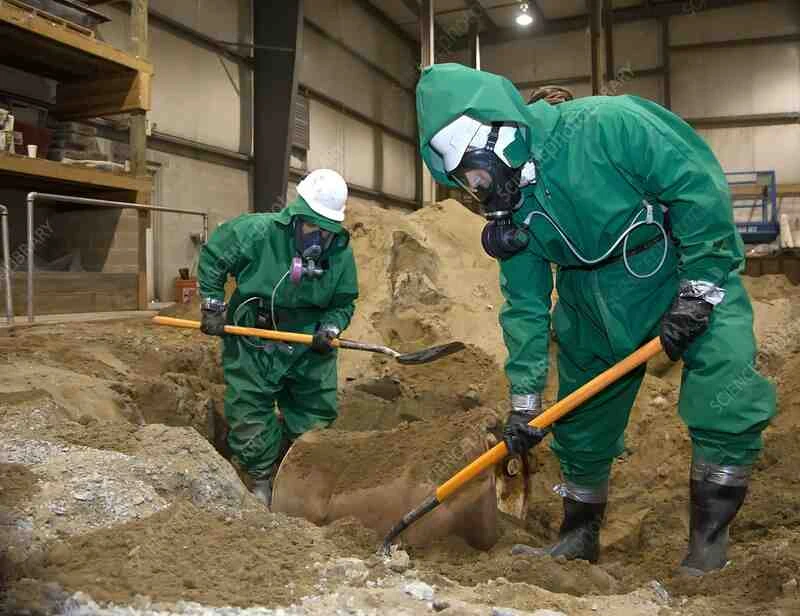
In this blog post, we will delve into the captivating realm of conservatories and explore the critical aspects of handling hazardous materials in this unique environment.
Conservatories: Where Nature Meets Architecture
Conservatories are architectural wonders that bridge the gap between nature and man-made structures. They are designed to house an array of plant life, from delicate orchids to towering palm trees, and offer an oasis of greenery regardless of the season. These spectacular structures allow people to immerse themselves in the beauty of nature without leaving the comfort of indoors.
However, the lush paradise inside conservatories does not come without its challenges. Creating and maintaining this ecosystem often involves the use of hazardous materials, which are essential for preserving the plants and ensuring the conservatory"s long-term functionality. Let"s explore some of these materials and how to handle them responsibly.
Pesticides and Herbicides: The Balancing Act
One of the most common challenges in conservatory work is managing pests and unwanted plant growth. To maintain the pristine beauty of the conservatory, professionals often resort to pesticides and herbicides. These chemicals can be highly effective in controlling pests and preventing invasive plants from taking over.
However, the use of pesticides and herbicides in a conservatory setting requires a meticulous approach. Given the enclosed environment, it is vital to choose products that are low in toxicity and pose minimal risk to the conservatory"s delicate ecosystem. Furthermore, these chemicals must be applied in a controlled and regulated manner to prevent overexposure to both humans and plants.
Handling and Storage of Hazardous Chemicals
When it comes to handling hazardous materials in conservatory work, proper storage and safety measures are paramount. The following guidelines can help ensure the safe use of these materials:
Designated Storage Areas: Create designated storage areas within the conservatory where hazardous materials are stored securely. These areas should be well-ventilated and equipped with spill containment measures.
Proper Labeling: All hazardous materials should be properly labeled, with clear instructions for use and safety precautions. This helps prevent accidents and mishandling.
Personal Protective Equipment (PPE): Provide appropriate PPE to workers and ensure they are trained in its proper use. This may include gloves, goggles, masks, and coveralls to minimize exposure.
Ventilation: Adequate ventilation is essential to disperse any fumes or vapors that may be released when using hazardous materials. Implement a robust ventilation system to maintain air quality.
Regular Inspection and Maintenance: Consistently monitor and inspect storage facilities and equipment to ensure they are in good condition. Any damaged containers should be replaced promptly.
Waste Disposal: A Green Approach
Conservatory work often generates hazardous waste, such as empty pesticide containers or used soil contaminated with chemicals. The responsible disposal of such waste is crucial to maintain the pristine environment of the conservatory.
Adopting environmentally-friendly waste disposal practices, such as recycling and composting, is essential. Additionally, consider implementing a hazardous waste management program that complies with local regulations. Engaging with local waste management services can help ensure safe and responsible disposal of hazardous materials.
Continuous Education and Training
In the dynamic world of conservatory work, staying up-to-date with the latest safety guidelines and practices is essential. Offering training sessions for all personnel involved in conservatory maintenance can help raise awareness and enhance safety practices.
Regular workshops, seminars, and safety drills can be beneficial in ensuring that everyone involved in conservatory work understands the potential hazards and knows how to respond to emergencies effectively. Keeping an open line of communication regarding safety concerns is crucial for addressing issues promptly and fostering a culture of safety.
Conclusion: Preserving Nature and Safety Hand in Hand
Conservatories are more than just buildings; they are living, breathing sanctuaries for the most beautiful elements of the natural world. The successful preservation of these magnificent ecosystems relies on the responsible handling of hazardous materials and a commitment to maintaining a safe environment for both the conservatory and its custodians.
In the magical world of conservatories, safety and beauty go hand in hand. By following the guidelines outlined above and maintaining a constant commitment to environmental preservation and human well-being, we can continue to experience the timeless allure of these remarkable structures while safeguarding the splendors of nature within their walls.

Architects play a pivotal role in designing buildings that are not only aesthetically pleasing but also safe and functional. One of the crucial aspects of architectural design is ensuring compliance w...

In the realm of architectural design, aesthetics, and functionality often take center stage. However, a paramount concern that should never be overlooked is safety. The safety of occupants and users i...

Explore the delicate balance between sustainability innovation and safety regulations in architectural design. Discover how architects create eco-friendly yet safe spaces.

Discover the latest seismic safety innovations for architects in the UK. Stay informed to design resilient structures in low-seismic-risk regions.

Explore fire safety in UK architecture. Learn about codes, fire-resistant materials, and design strategies to protect lives and property in architectural projects.

Discover the importance of designing inclusively in architecture. Learn how to meet the unique needs of disabled individuals and create accessible spaces for all.
Sign up to start winning an unlimited amount of jobs near you.


 Electrician
Gas Engineer
Electrician
Gas Engineer


Send more enquiries and explore your options
Increasing the number of potentials leads for you!
Have more control and flexibility over your finances!