

## 1. Understanding the Risks in Groundwork:
### Overview:
Groundwork projects inherently carry risks related to heavy machinery operation, trenching, and excavation. Understanding these risks is the first step in creating a safety-centric work environment.
### Execution:
- Risk Assessments: Conduct thorough risk assessments for each project, identifying potential hazards and their corresponding safety measures.
- Regulatory Compliance: Familiarize yourself with local and national safety regulations specific to groundwork.
## 2. Comprehensive Safety Training:
### Overview:
Training is the backbone of safety. Providing comprehensive safety training equips workers with the knowledge and skills necessary to navigate potential risks.
### Execution:
- Machinery Operation Training: Ensure that workers are trained and certified to operate heavy machinery safely.
- Trenching and Excavation Training: Train workers on proper trenching and excavation techniques, including the use of protective systems.
- Emergency Response Drills: Conduct regular drills to prepare workers for emergency situations, including evacuation and first aid.
## 3. Personal Protective Equipment (PPE):
### Overview:
Proper PPE is a frontline defense against potential hazards. Ensuring that workers have the right gear is crucial for their safety.
### Execution:
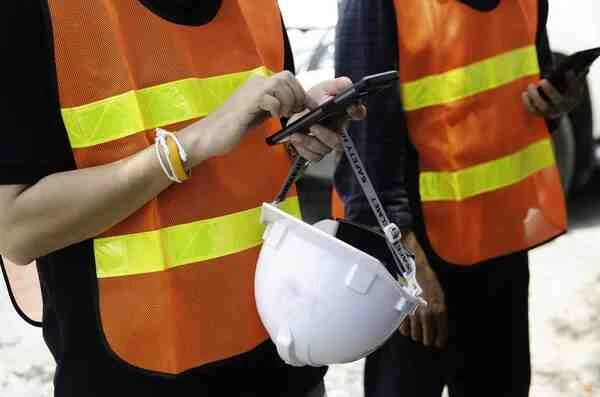
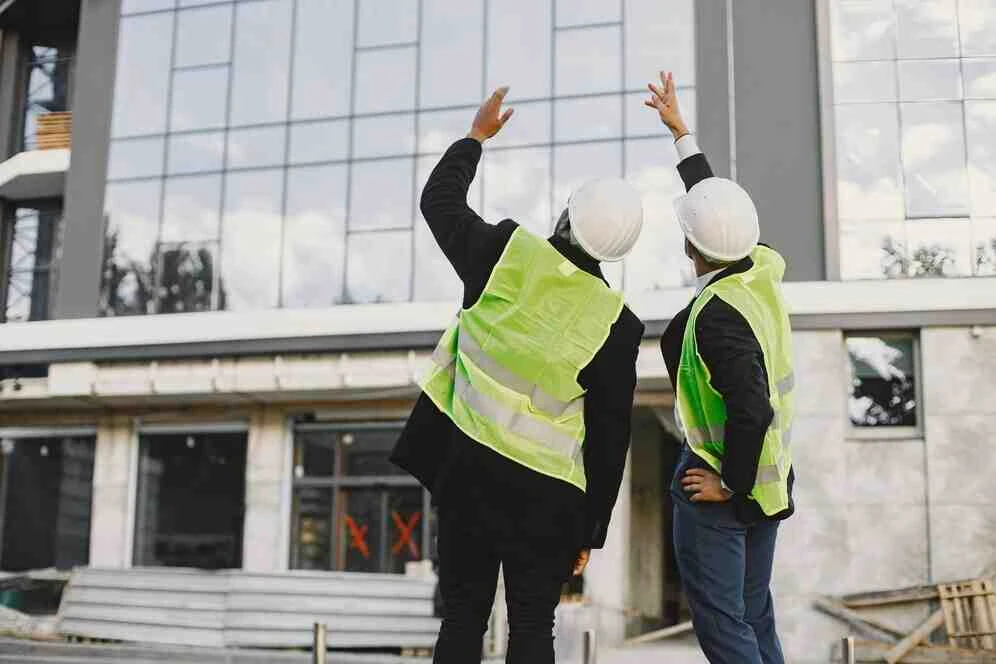
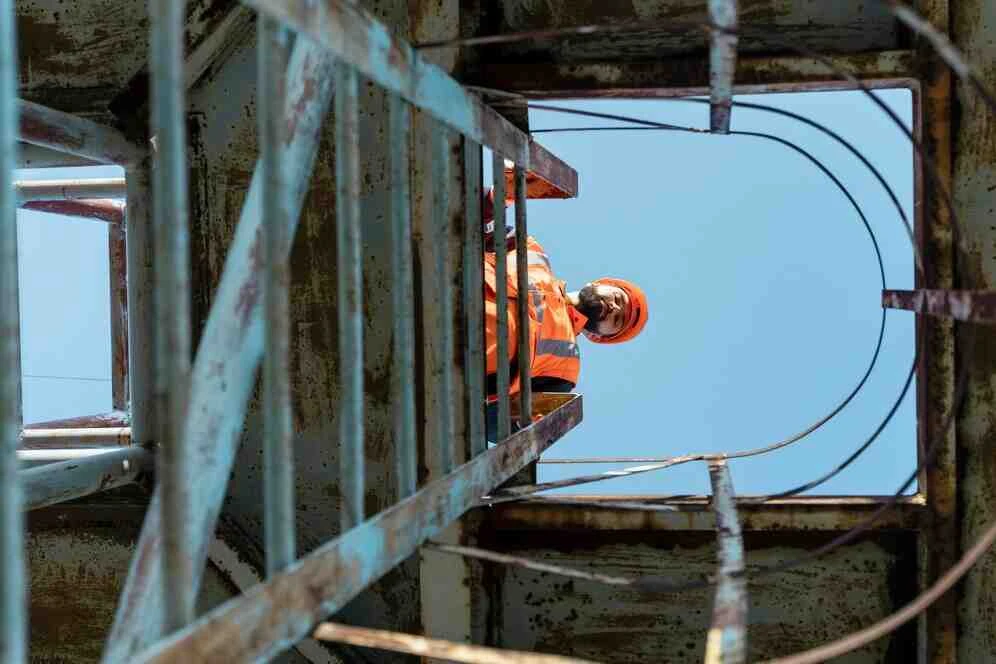
- Head Protection: Mandate the use of hard hats to protect against falling objects.
- Eye and Face Protection: Provide safety glasses or face shields to shield against flying debris or chemical splashes.
- Protective Footwear and Clothing: Ensure workers wear steel-toed boots and appropriate clothing for the job conditions.
## 4. Safe Machinery Operation Practices:
### Overview:
Groundwork often involves the use of heavy machinery. Implementing safe operation practices is vital for preventing accidents.
### Execution:
- Regular Equipment Inspections: Conduct regular inspections of machinery to identify and address potential issues.
- Operator Training: Ensure that only trained and certified operators handle heavy machinery.
- Clear Communication: Establish clear communication protocols between equipment operators and ground personnel.
## 5. Trenching and Excavation Safety:
### Overview:
Trenching and excavation pose unique risks, including cave-ins. Implementing safety measures specific to these activities is essential.
### Execution:
- Protective Systems: Use protective systems like sloping, benching, or shoring to prevent trench collapse.
- Trench Inspections: Regularly inspect trenches for signs of instability or soil movement.
- Access and Egress: Provide safe access and egress from trenches, such as ladders, ramps, or steps.
## 6. Communication and Signage:
### Overview:
Clear communication is fundamental to a safe work environment. Utilize signage and effective communication channels to convey important safety information.
### Execution:
- Safety Signage: Place visible safety signs indicating hazards, safety procedures, and emergency contact information.
- Regular Toolbox Talks: Conduct regular toolbox talks to discuss safety topics and address any concerns.
- Emergency Communication Protocols: Establish clear protocols for communicating in emergency situations.
## 7. Health and Wellness Programs:
### Overview:
Worker safety goes beyond physical safety; it also includes the health and well-being of the workforce. Implementing health and wellness programs can contribute to overall safety.
### Execution:
- Health Screenings: Provide regular health screenings to identify and address potential health issues.
- Stress Management: Offer stress management resources to support mental well-being.
- Fitness Initiatives: Encourage physical fitness to promote overall health and stamina.
## 8. Ergonomics and Injury Prevention:
### Overview:
Addressing ergonomics and injury prevention is crucial for reducing the risk of musculoskeletal injuries and ensuring the long-term health of workers.
### Execution:
- Proper Lifting Techniques: Train workers in proper lifting techniques to prevent back injuries.
- Ergonomic Equipment: Provide ergonomic tools and equipment to reduce the risk of repetitive strain injuries.
- Regular Breaks: Encourage regular breaks to prevent fatigue and enhance focus.
## 9. Ongoing Safety Audits and Inspections:
### Overview:
Regular audits and inspections help identify potential safety hazards and ensure that safety protocols are being followed.
### Execution:
- Scheduled Inspections: Conduct scheduled safety inspections of the workplace, machinery, and equipment.
- Anonymous Reporting Systems: Implement systems for anonymous reporting of safety concerns to encourage transparency.
- Actionable Feedback: Use audit findings to provide actionable feedback and make necessary improvements.
## 10. Creating a Safety Culture:
### Overview:
A safety culture is cultivated through consistent leadership commitment, communication, and the active involvement of all team members.
### Execution:
- Leadership Commitment: Demonstrate commitment to safety from top leadership down to all levels of the organization.
- Open Communication: Encourage open communication about safety concerns and ideas for improvement.
- Recognition Programs: Implement recognition programs to acknowledge and reward safe practices and achievements.
## Conclusion: Fostering a Groundwork Haven of Safety
Ensuring worker safety in groundwork is a shared responsibility that requires ongoing commitment, education, and a proactive approach. By prioritizing comprehensive training, providing the right tools and equipment, and fostering a culture of safety, groundwork professionals can create an environment where every worker feels protected and empowered. The investment in safety not only safeguards the workforce but also contributes to the overall success and sustainability of groundwork projects.

Architects play a pivotal role in designing buildings that are not only aesthetically pleasing but also safe and functional. One of the crucial aspects of architectural design is ensuring compliance w...
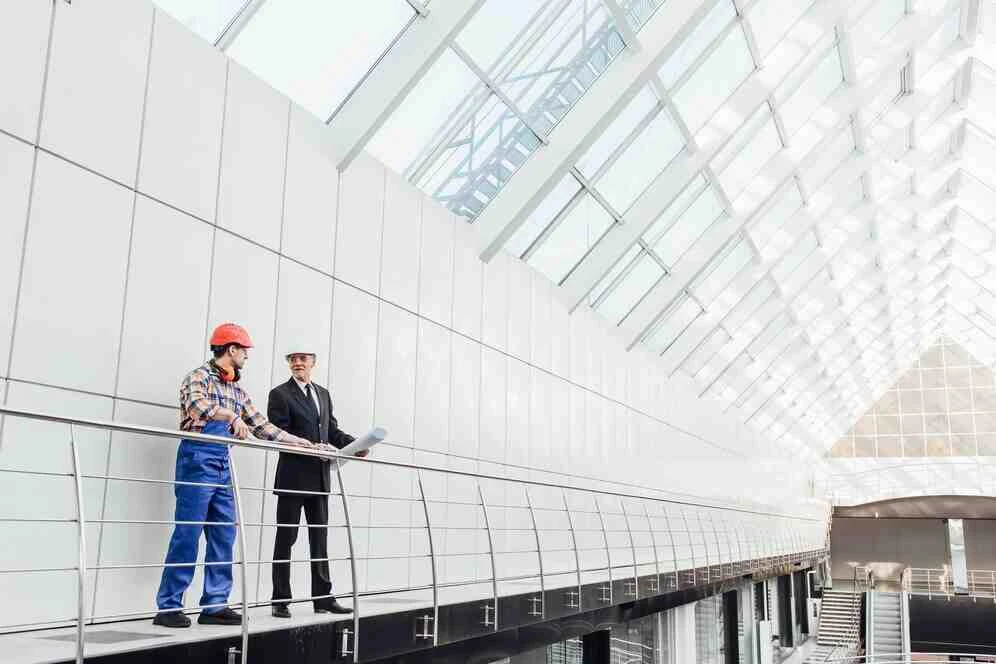
In the realm of architectural design, aesthetics, and functionality often take center stage. However, a paramount concern that should never be overlooked is safety. The safety of occupants and users i...
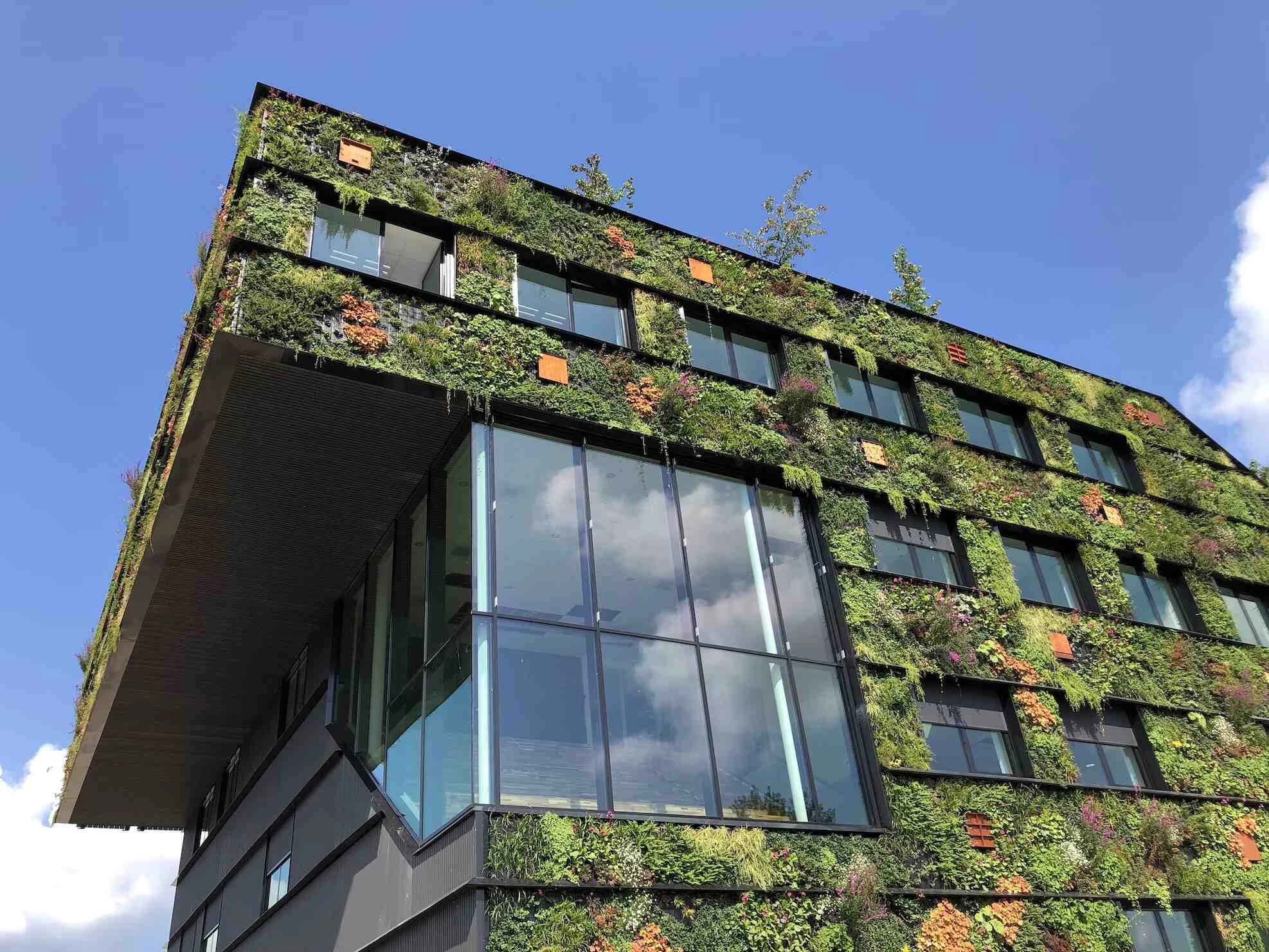
Explore the delicate balance between sustainability innovation and safety regulations in architectural design. Discover how architects create eco-friendly yet safe spaces.
Discover the latest seismic safety innovations for architects in the UK. Stay informed to design resilient structures in low-seismic-risk regions.
Explore fire safety in UK architecture. Learn about codes, fire-resistant materials, and design strategies to protect lives and property in architectural projects.

Discover the importance of designing inclusively in architecture. Learn how to meet the unique needs of disabled individuals and create accessible spaces for all.
Sign up to start winning an unlimited amount of jobs near you.


 Electrician
Gas Engineer
Electrician
Gas Engineer


Send more enquiries and explore your options
Increasing the number of potentials leads for you!
Have more control and flexibility over your finances!