

Why Emergency Preparedness Matters for Garden Contractors
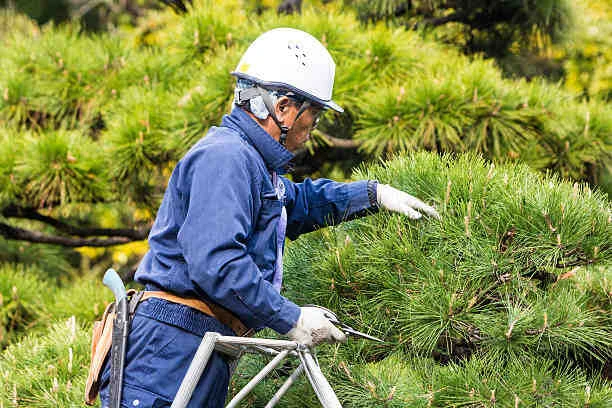
1. Worker Safety: Garden contractors often work with heavy machinery, power tools, and materials that can lead to accidents and injuries. An emergency plan helps safeguard workers" lives and well-being.
2. Client Trust: Clients expect professionalism, including the ability to handle unexpected situations. Being prepared for emergencies instills trust and confidence in your services.
3. Legal Obligations: Government regulations require businesses to have safety measures and emergency response plans in place. Non-compliance can result in legal consequences.
4. Project Continuity: Emergencies such as weather-related disruptions or accidents can halt or delay projects. Being prepared ensures that work can resume as soon as it is safe to do so, minimizing project delays.
Creating an Emergency Preparedness Plan for Garden Contractors
1. Risk Assessment
Begin by conducting a thorough risk assessment. Identify potential hazards specific to your projects, including machinery operation, tree removal, exposure to inclement weather, and even potential wildlife encounters.
2. Communication Plan
Establish clear lines of communication within your team. Ensure everyone knows how to report emergencies and whom to contact for assistance. Create a system for communicating with clients, suppliers, and subcontractors in case of disruptions.
3. Safety Training
Proper training in machinery operation, first aid, and hazard recognition is vital. Regularly refresh and update safety training to keep your team well-prepared for various situations.
4. Emergency Response Team
Designate key personnel to lead emergency response efforts. Ensure that they are well-trained in first aid, CPR, and other essential skills.
5. First Aid and Emergency Supplies
Maintain well-stocked first-aid kits at the job site and in company vehicles. Include essential supplies like bandages, antiseptics, and CPR masks. Additionally, have emergency equipment such as fire extinguishers and evacuation plans in place.
6. Weather-Related Planning
As garden contractors often work outdoors, it is essential to monitor weather conditions closely. Have a clear plan for postponing work in adverse weather and securing equipment and materials to prevent damage.
7. Hazardous Material Handling
If you use chemicals or materials that require specific handling, ensure that your team is trained in safe usage, storage, and disposal. Maintain Material Safety Data Sheets (MSDS) for all hazardous materials.
8. Reporting Procedures
Establish a clear protocol for reporting accidents, injuries, near-misses, or any unusual events. Encourage all team members to report such incidents to help prevent future accidents.
9. Evacuation Plans
Develop evacuation plans for the job site, especially if it"s a large or complex project. Ensure all workers know the evacuation routes and assembly points.
10. Regular Drills
Conduct emergency drills and simulations to ensure that your team knows how to react in real-life situations. Review these drills and update the emergency plan as needed.
Conclusion
Garden contractors are the architects of natural beauty, but their work is not without risk. Being prepared for emergencies is essential to protect worker safety, meet client expectations, and fulfill legal obligations. By conducting risk assessments, establishing a communication plan, providing safety training, and creating a comprehensive emergency response plan, garden contractors can ensure that their projects continue to flourish even in the face of unforeseen challenges. Prioritizing safety and emergency preparedness is not only a sound business practice but also a commitment to the well-being of the team and the success of every garden project.

Architects play a pivotal role in designing buildings that are not only aesthetically pleasing but also safe and functional. One of the crucial aspects of architectural design is ensuring compliance w...

In the realm of architectural design, aesthetics, and functionality often take center stage. However, a paramount concern that should never be overlooked is safety. The safety of occupants and users i...

Explore the delicate balance between sustainability innovation and safety regulations in architectural design. Discover how architects create eco-friendly yet safe spaces.
Discover the latest seismic safety innovations for architects in the UK. Stay informed to design resilient structures in low-seismic-risk regions.
Explore fire safety in UK architecture. Learn about codes, fire-resistant materials, and design strategies to protect lives and property in architectural projects.

Discover the importance of designing inclusively in architecture. Learn how to meet the unique needs of disabled individuals and create accessible spaces for all.
Sign up to start winning an unlimited amount of jobs near you.


 Electrician
Gas Engineer
Electrician
Gas Engineer


Send more enquiries and explore your options
Increasing the number of potentials leads for you!
Have more control and flexibility over your finances!