



**1. Protecting Natural Resources**
Landscaping often involves excavation, tree removal, and alterations to natural terrain. Adhering to environmental regulations helps protect natural resources like soil, water, and native vegetation. Regulations may require erosion control measures, responsible soil management, and preserving existing greenery.
**2. Minimizing Pollution**
Environmental regulations aim to reduce pollution resulting from landscape projects. This includes controlling soil erosion, preventing runoff of fertilizers and pesticides, and ensuring proper waste disposal. Compliance with these regulations minimizes the negative impact on water quality, air quality, and the overall environment.
**3. Wildlife Preservation**
Landscapes provide habitat for various wildlife species. Some regulations may require the preservation of natural habitats and the inclusion of native plants to support local fauna. This approach enhances biodiversity and helps maintain a healthy ecosystem.
**4. Water Conservation**
Efficient water usage is a critical aspect of environmental regulations in landscaping. Drought-tolerant plants, irrigation systems with smart controllers, and rainwater harvesting are sustainable practices that contribute to water conservation. Compliance with these regulations is vital in regions prone to water scarcity.
**5. Energy Efficiency**
Incorporating energy-efficient elements into landscape projects can have a positive environmental impact. Regulations may encourage the use of materials and design elements that reduce the need for artificial lighting or heating in outdoor spaces, thus conserving energy.
**6. Pesticide and Chemical Management**
Proper management of pesticides and chemicals is essential for environmental safety. Regulations may stipulate the correct use, storage, and disposal of these substances to prevent harm to non-target organisms, soil, and water bodies.
**7. Permits and Licenses**
In many regions, landscape projects may require permits and licenses, especially when they involve significant alterations to the environment. It"s essential to obtain the necessary approvals before commencing any work to ensure that the project complies with local environmental regulations.
**8. Educate and Train Staff**
A well-informed and trained workforce is essential for environmental compliance. Training your staff about the relevant regulations, best practices, and the importance of environmental responsibility can lead to better project outcomes and help avoid costly violations.
**9. Sustainable Design**
Sustainable landscape design is a significant aspect of environmental compliance. This includes selecting native plants, using permeable materials, and designing spaces that require minimal maintenance. Compliance with sustainable design principles not only conserves resources but also reduces the long-term environmental impact of the project.
**10. Monitoring and Reporting**
Monitoring the environmental impact of your landscape projects and reporting as required by regulations is essential. Regular site assessments can help identify and address any issues promptly, ensuring your projects remain compliant throughout their duration.
**Conclusion**
Adhering to environmental regulations in landscape projects is a shared responsibility that benefits our planet and future generations. Landscape professionals have the opportunity to lead the way in sustainable practices, conservation, and responsible resource management. Compliance with environmental regulations not only ensures legal and ethical operation but also contributes to healthier ecosystems, cleaner water, and more sustainable landscapes. By making environmental responsibility an integral part of your landscape projects, you"re not only beautifying spaces but also helping to protect our natural world.

Architects play a pivotal role in designing buildings that are not only aesthetically pleasing but also safe and functional. One of the crucial aspects of architectural design is ensuring compliance w...

In the realm of architectural design, aesthetics, and functionality often take center stage. However, a paramount concern that should never be overlooked is safety. The safety of occupants and users i...
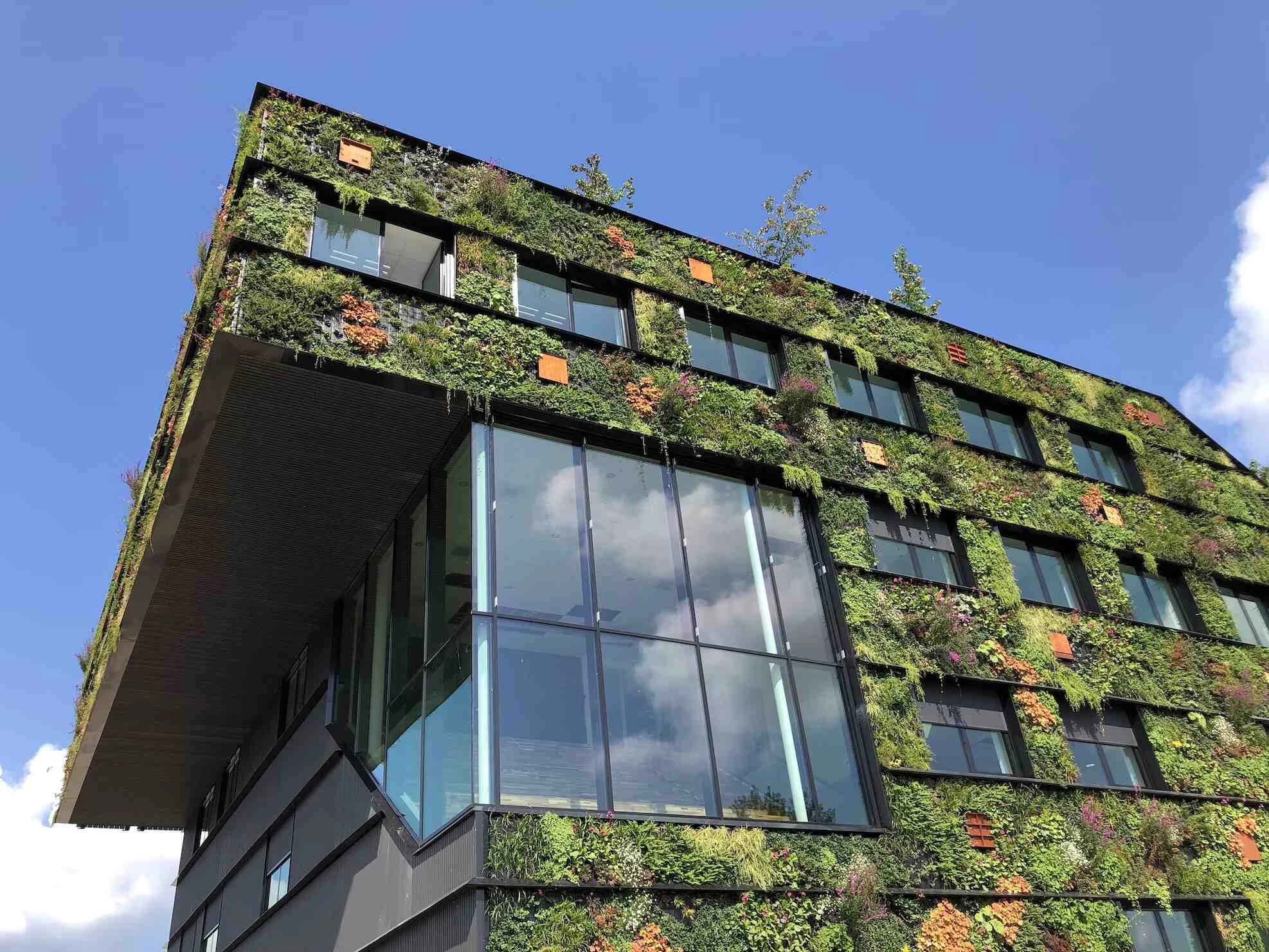
Explore the delicate balance between sustainability innovation and safety regulations in architectural design. Discover how architects create eco-friendly yet safe spaces.

Discover the latest seismic safety innovations for architects in the UK. Stay informed to design resilient structures in low-seismic-risk regions.

Explore fire safety in UK architecture. Learn about codes, fire-resistant materials, and design strategies to protect lives and property in architectural projects.

Discover the importance of designing inclusively in architecture. Learn how to meet the unique needs of disabled individuals and create accessible spaces for all.
Sign up to start winning an unlimited amount of jobs near you.


 Electrician
Gas Engineer
Electrician
Gas Engineer


Send more enquiries and explore your options
Increasing the number of potentials leads for you!
Have more control and flexibility over your finances!