



Green Building Certification and Regulatory Compliance for Architects
In recent years, the push for environmentally sustainable practices in construction has gained significant momentum. As architects, it"s crucial to not only design aesthetically pleasing structures but also ensure they are environmentally responsible. This blog will explore the world of green building certification and the regulatory compliance architects must navigate to create sustainable designs.
Introduction
The demand for sustainable buildings has grown as concerns about climate change and resource depletion have become increasingly pressing. As architects, you have a pivotal role in creating structures that minimize environmental impact while meeting regulatory standards. This blog will guide you through the process of obtaining green building certification and ensuring regulatory compliance in your architectural projects.
Understanding Green Building Certification
Green building certification is a rigorous process that evaluates a building"s environmental performance and sustainability. Certifications such as LEED (Leadership in Energy and Environmental Design) and BREEAM (Building Research Establishment Environmental Assessment Method) have become internationally recognized standards for assessing the sustainability of buildings. Architects must incorporate sustainable design elements into their projects to meet the criteria for these certifications.
Regulatory Compliance
Architects must also ensure their designs comply with local and national regulations related to environmental sustainability. These regulations may cover energy efficiency, water conservation, waste management, and more. Staying informed about these regulations is essential to avoid potential legal and financial consequences.
Balancing Aesthetics with Sustainability
One of the challenges architects face is striking a balance between aesthetics and sustainability. Many mistakenly believe that sustainable design compromises visual appeal, but this is far from the truth. Architects can employ innovative design solutions, such as green roofs, passive solar design, and the use of sustainable materials, to create visually stunning and eco-friendly structures.
Case Studies and Success Stories
Explore real-life case studies of architects who successfully obtained green building certification while adhering to regulatory requirements. Learn from their experiences and discover how sustainable design can be a source of inspiration and innovation.
Conclusion
Architects have a profound influence on the environmental impact of the built environment. By pursuing green building certification and ensuring regulatory compliance, you can contribute to a more sustainable future while creating beautiful and functional structures.

Architects play a pivotal role in designing buildings that are not only aesthetically pleasing but also safe and functional. One of the crucial aspects of architectural design is ensuring compliance w...

In the realm of architectural design, aesthetics, and functionality often take center stage. However, a paramount concern that should never be overlooked is safety. The safety of occupants and users i...
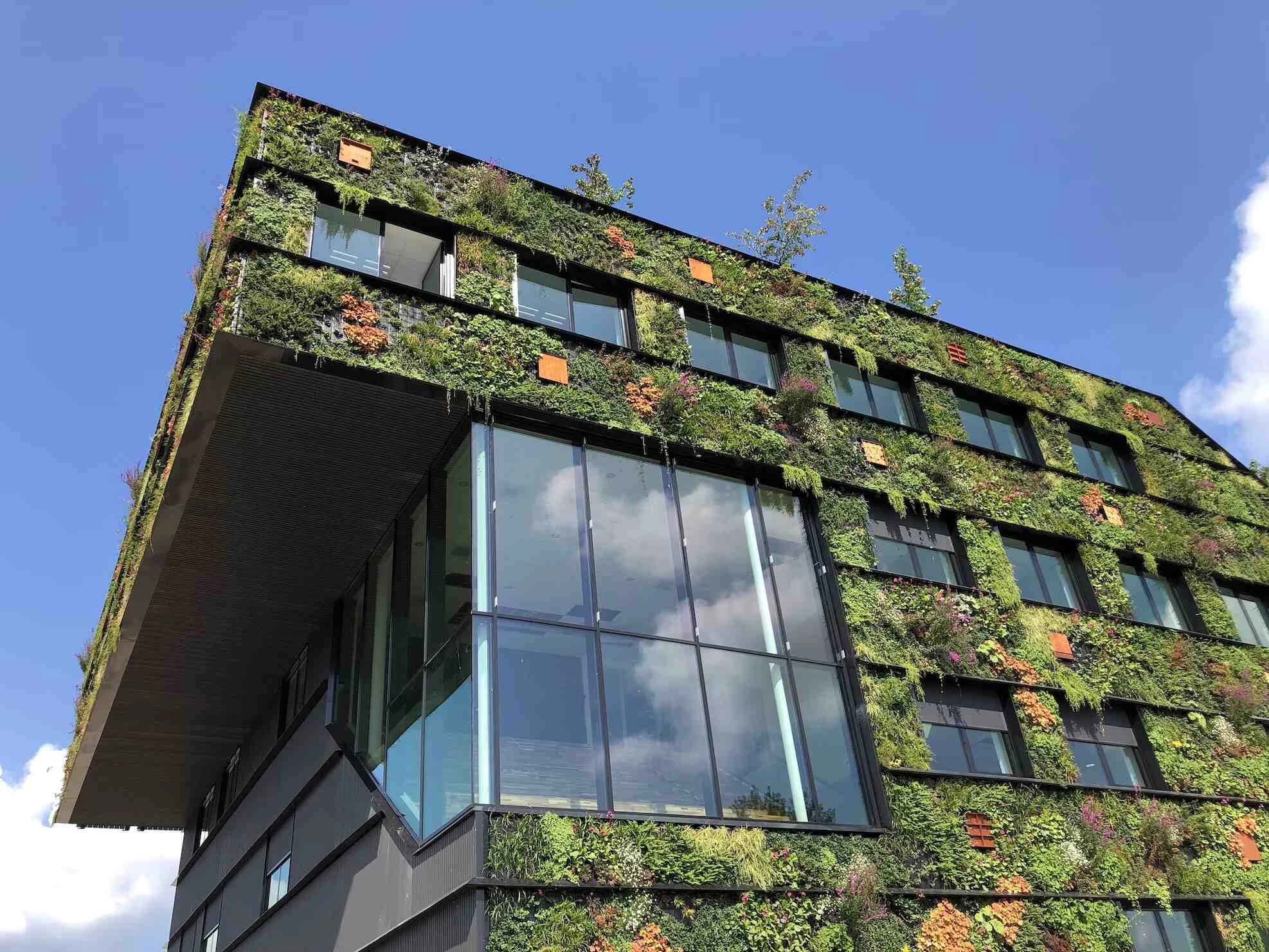
Explore the delicate balance between sustainability innovation and safety regulations in architectural design. Discover how architects create eco-friendly yet safe spaces.

Discover the latest seismic safety innovations for architects in the UK. Stay informed to design resilient structures in low-seismic-risk regions.

Explore fire safety in UK architecture. Learn about codes, fire-resistant materials, and design strategies to protect lives and property in architectural projects.

Discover the importance of designing inclusively in architecture. Learn how to meet the unique needs of disabled individuals and create accessible spaces for all.
Sign up to start winning an unlimited amount of jobs near you.


 Electrician
Gas Engineer
Electrician
Gas Engineer


Send more enquiries and explore your options
Increasing the number of potentials leads for you!
Have more control and flexibility over your finances!