


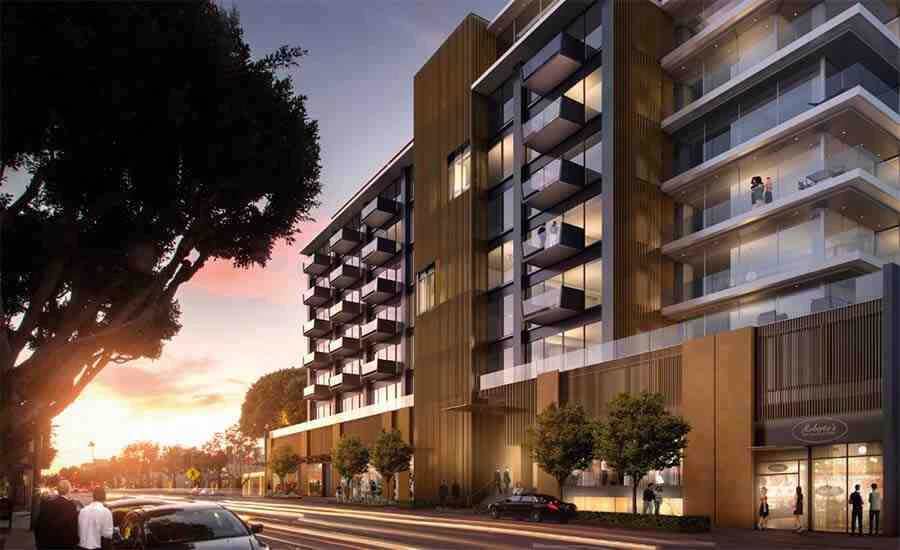
Residential Conversion: Turning Homes into Dream Spaces
Residential construction conversion involves the transformation of existing residential properties into improved living spaces. This niche of the construction industry offers a variety of possibilities, including:
1. **Single-Family Homes:** Converting a single-family home can involve renovations and extensions to create a more functional and aesthetically pleasing living space. This may include kitchen and bathroom remodels, creating open floor plans, and enhancing curb appeal.
2. **Multi-Unit Dwellings:** Converting multi-unit dwellings, such as apartment buildings or duplexes, can mean turning them into modern, spacious, and attractive rental units. This can involve upgrading common areas, improving energy efficiency, and enhancing tenant amenities.
3. **Historical Buildings:** Renovating historical homes or buildings requires special consideration to preserve the structure"s historic charm while making it suitable for modern living. It often involves working closely with local preservation authorities to ensure compliance with historical preservation guidelines.
4. **Adaptive Reuse:** Adaptive reuse is a sustainable approach that involves converting old structures like warehouses, factories, or schools into residential properties. This type of conversion can create unique, character-filled living spaces.
Commercial Conversion: Transforming Workspaces into Functional Hubs
Commercial construction conversion focuses on turning existing commercial properties into functional and attractive spaces. This can include:
1. **Office Spaces:** Office conversions may involve transforming outdated office buildings into modern workspaces with open layouts, advanced technology, and ergonomic features.
2. **Retail Outlets:** Converting retail spaces can breathe new life into malls or shopping centers. The goal is to create visually appealing stores that attract shoppers while maximizing space utility.
3. **Warehouses:** Adaptive reuse of warehouses can result in trendy, industrial-style offices, lofts, or creative co-working spaces. This can be a sustainable solution for re-purposing large industrial structures.
4. **Hotels and Hospitality:** Renovating hotels, motels, or other hospitality properties can enhance their appeal to travelers, focusing on aesthetics, amenities, and guest comfort.
Key Considerations
**1. Purpose and Function:** The intended purpose of the conversion plays a significant role in the planning and execution of the project. Residential conversion prioritizes comfort and aesthetics, while commercial conversion emphasizes functionality and appealing design.
**2. Regulations and Codes:** Both residential and commercial conversions are subject to specific building codes and regulations. Residential projects need to comply with local housing and zoning codes, while commercial projects must adhere to business regulations.
**3. Budget and Investment:** The budget for a conversion project will differ significantly between residential and commercial properties. Commercial conversions often involve larger budgets due to the complexity and scale of the project.
**4. Market Demand:** Consider the local market demand when deciding on the type of conversion. Residential conversions can be more attractive in areas with a high demand for housing, while commercial conversions may be more viable in business districts.
**5. Sustainability:** Sustainable practices are becoming increasingly important in both residential and commercial conversions. Consider energy-efficient upgrades, waste reduction, and eco-friendly design elements.
Conclusion
Residential and commercial construction conversions offer distinct sets of opportunities and challenges. The choice between the two depends on your goals, budget, and the local market demand. Whether you aim to create comfortable living spaces or functional workspaces, the world of construction conversion offers exciting possibilities for transforming existing structures into valuable, attractive assets. Understanding the nuances of each type of conversion is essential for making informed decisions and embarking on a successful transformation journey.
Your home is not just a place to live; it"s an expression of your personality and style. One of the most exciting aspects of homeownership is choosing the architectural style that best reflects your t...

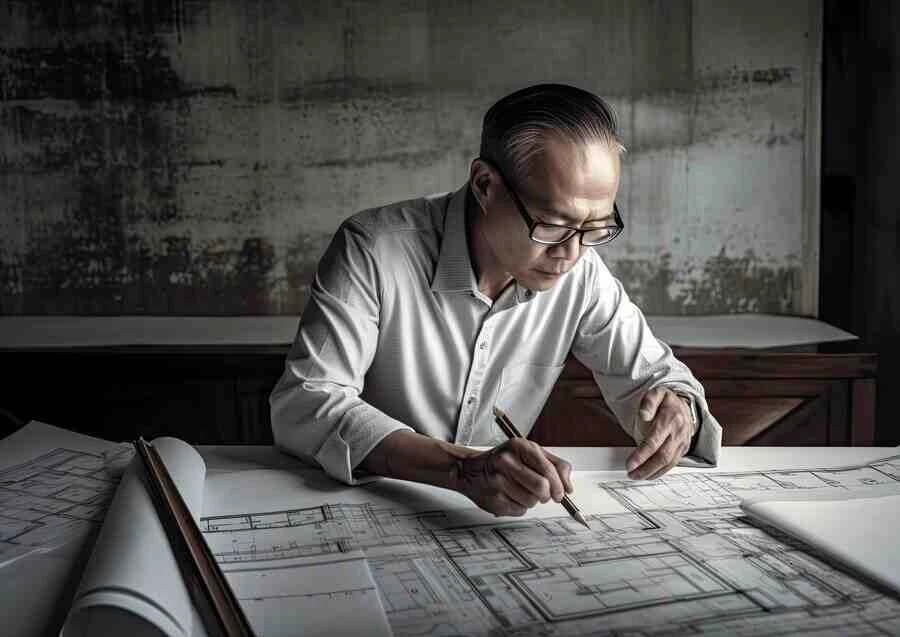
Selecting the right architect is a pivotal step in ensuring the success of your construction project, whether it"s a commercial venture or a home improvement project. Architects play a crucial role in...

Architectural design is a complex and creative process that transforms ideas and concepts into tangible structures that shape our built environment. Whether it"s a stunning skyscraper, a sustainable h...

Embarking on an architectural project, whether it"s designing your dream home, renovating a commercial space, or constructing a public building, demands meticulous financial planning. Budgeting is a c...
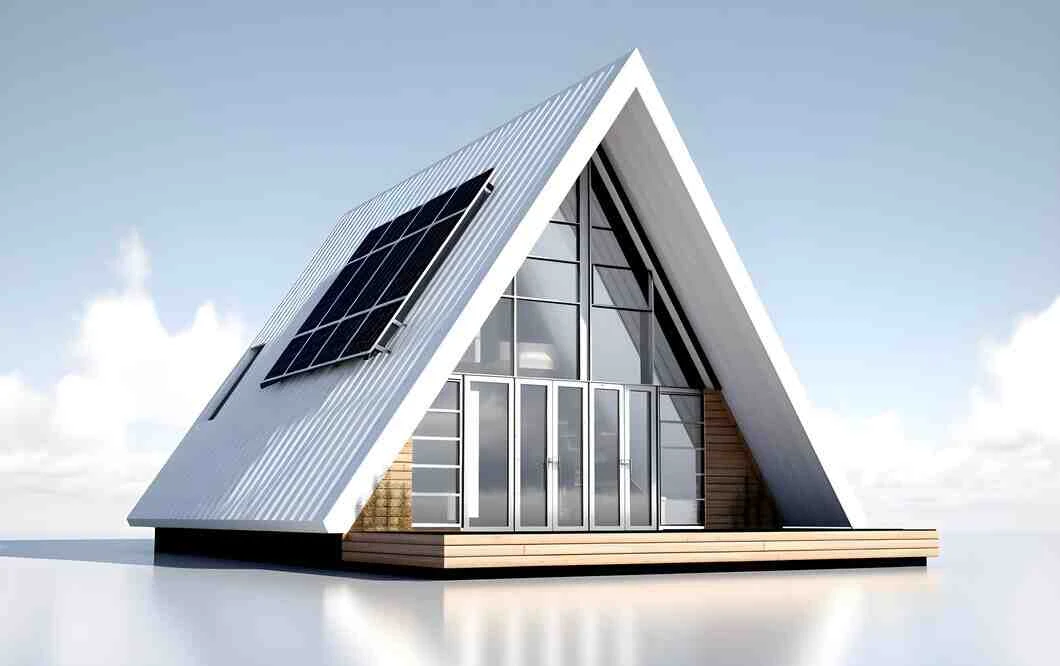
In an era where environmental concerns are at the forefront of our global consciousness, the concept of sustainable architecture has gained significant traction. Sustainable architecture, often referr...
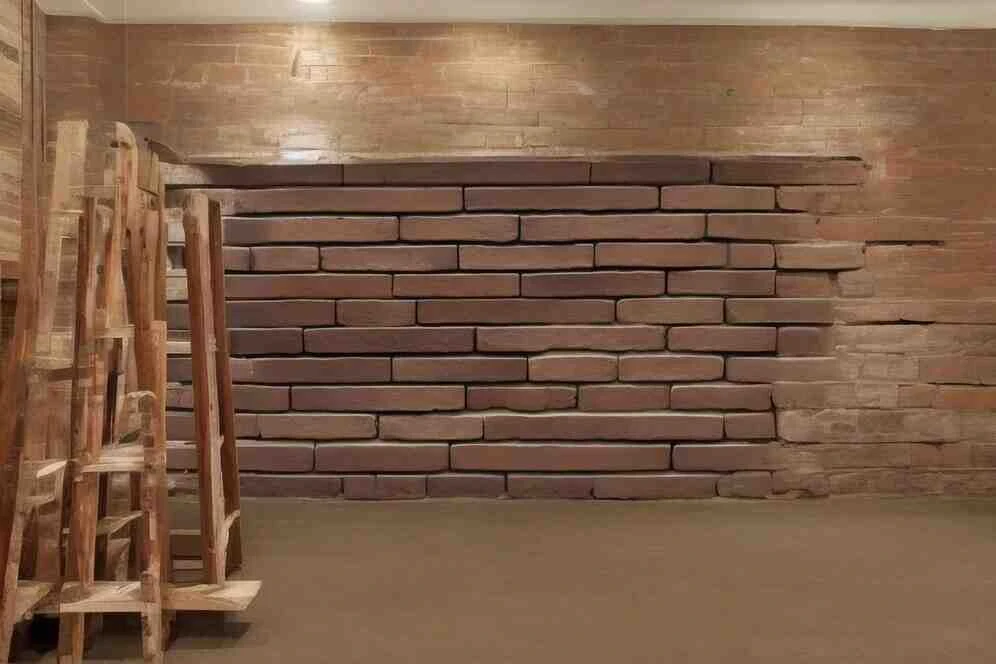
Embarking on a home improvement project can be an exciting but challenging endeavor. When it comes to significant changes, two primary options often come to mind: renovating your existing home or buil...
Sign up to start winning an unlimited amount of jobs near you.


 Electrician
Gas Engineer
Electrician
Gas Engineer


Send more enquiries and explore your options
Increasing the number of potentials leads for you!
Have more control and flexibility over your finances!