


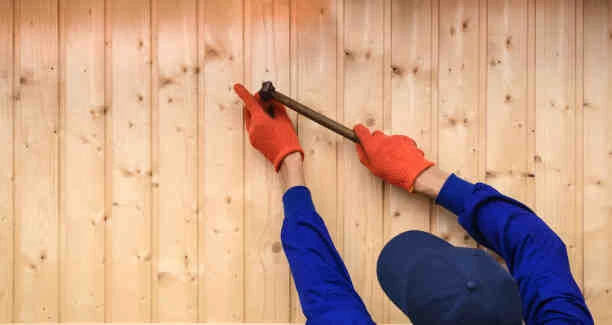
**The Environmental Impact of Fence Work**
Fence construction can produce various types of waste, including:
1. **Old Fencing Materials:** When replacing an existing fence, the old materials need to be removed and disposed of properly.
2. **Excess Building Materials:** Surplus wood, concrete, metal, or other materials may result from the construction process.
3. **Packaging and Debris:** Nails, screws, plastic packaging, and other small debris can accumulate on-site.
4. **Chemicals and Treatments:** Certain fence materials, such as treated wood, can contain chemicals that are harmful to the environment.
Improper waste disposal can have several negative environmental consequences:
- Soil and water contamination from chemicals and treated wood.
- Habitat disruption for wildlife and plants.
- Air pollution if materials are burned.
- Increased landfill waste, which contributes to waste management problems.
**Legal Compliance and Regulations**
Waste disposal is subject to regulations at the local, regional, and national levels. Non-compliance can result in legal penalties, fines, and damage to your professional reputation. It"s crucial to familiarize yourself with the specific waste disposal regulations in your area.
Here are some key legal considerations:
1. **Permits and Licenses:** Depending on your location and the nature of the waste produced, you may need permits or licenses for waste disposal. Failure to obtain these can result in legal consequences.
2. **Hazardous Waste Management:** If your fence work involves materials that are considered hazardous waste, such as chemically treated wood, you must adhere to specific disposal regulations, including proper labeling and disposal at authorized facilities.
3. **Landfill Disposal:** If you are disposing of waste materials in landfills, you may be subject to fees, weight limits, and specific landfill operating hours.
**Best Practices for Proper Waste Disposal**
1. **Waste Segregation:** Separate waste materials at the source. Create separate piles for wood, concrete, metal, and non-recyclable waste. This makes disposal and recycling more efficient.
2. **Recycling:** Whenever possible, recycle materials like metal, concrete, and untreated wood. Many locations offer recycling facilities for these materials.
3. **Reuse:** Consider reusing materials that are in good condition, especially if you"re working on a project with an environmentally conscious client. This not only reduces waste but also saves resources.
4. **Safe Disposal of Hazardous Materials:** If your fence work involves hazardous materials, such as chemically treated wood, consult local environmental authorities for proper disposal procedures.
5. **Consult Waste Management Professionals:** If you"re unsure about the best disposal methods for certain materials, consult with waste management professionals who can provide guidance on proper waste disposal.
6. **Document Waste Disposal:** Keep records of your waste disposal process, including permits, receipts, and documentation of recycling and reuse efforts. This helps in demonstrating legal compliance if required.
**Conclusion**
Proper waste disposal in fence work is not just an environmental responsibility but a legal obligation. By following the appropriate regulations, recycling materials whenever possible, and consulting with waste management professionals, you can ensure that your fence projects have minimal negative environmental impact and maintain legal compliance. This responsible approach not only protects the environment but also enhances your professional reputation as a conscientious and environmentally responsible fence contractor.

Architects play a pivotal role in designing buildings that are not only aesthetically pleasing but also safe and functional. One of the crucial aspects of architectural design is ensuring compliance w...
In the realm of architectural design, aesthetics, and functionality often take center stage. However, a paramount concern that should never be overlooked is safety. The safety of occupants and users i...
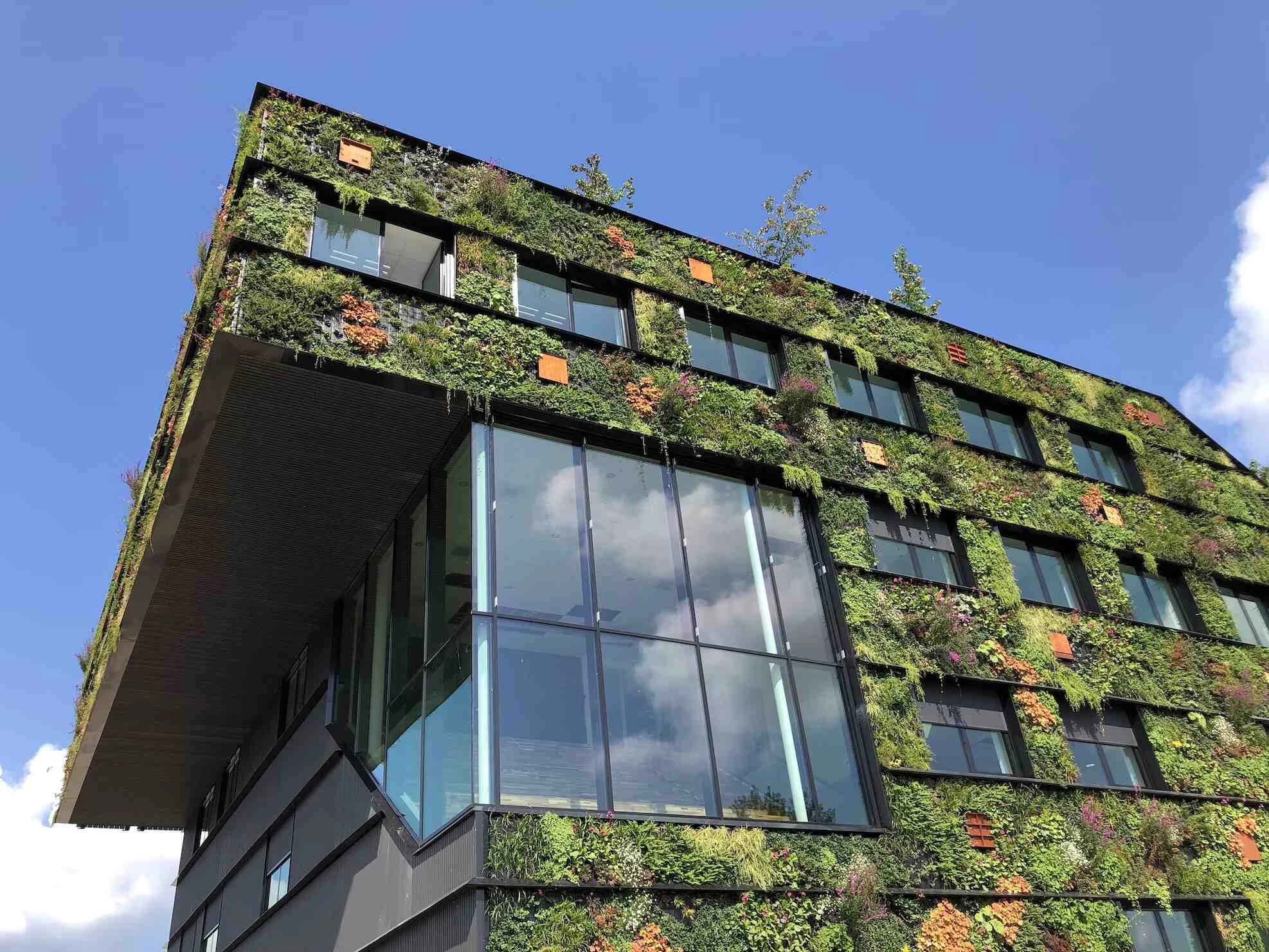
Explore the delicate balance between sustainability innovation and safety regulations in architectural design. Discover how architects create eco-friendly yet safe spaces.
Discover the latest seismic safety innovations for architects in the UK. Stay informed to design resilient structures in low-seismic-risk regions.
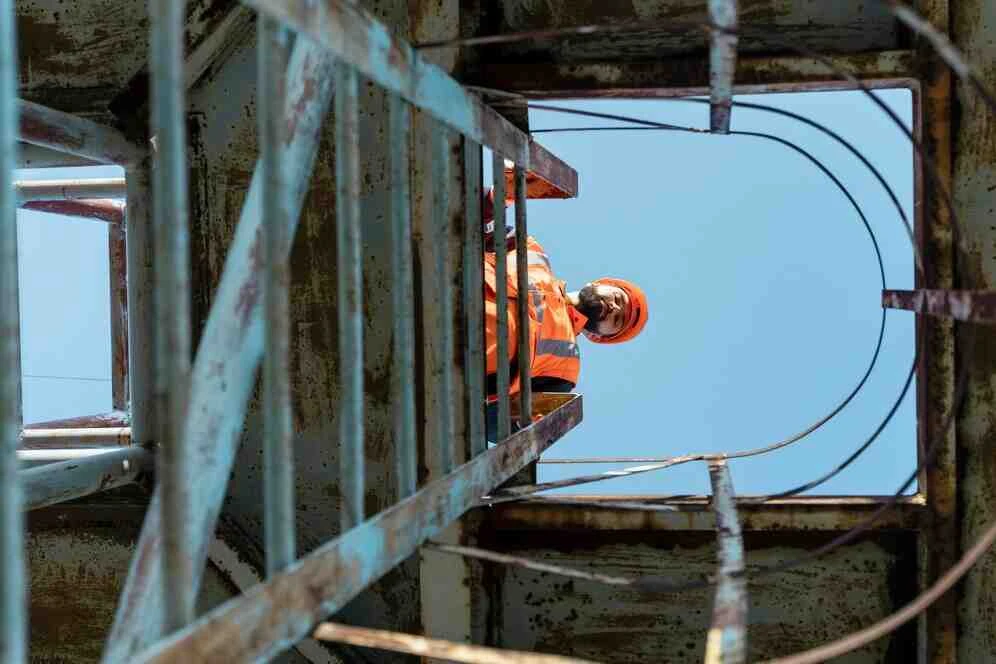
Explore fire safety in UK architecture. Learn about codes, fire-resistant materials, and design strategies to protect lives and property in architectural projects.
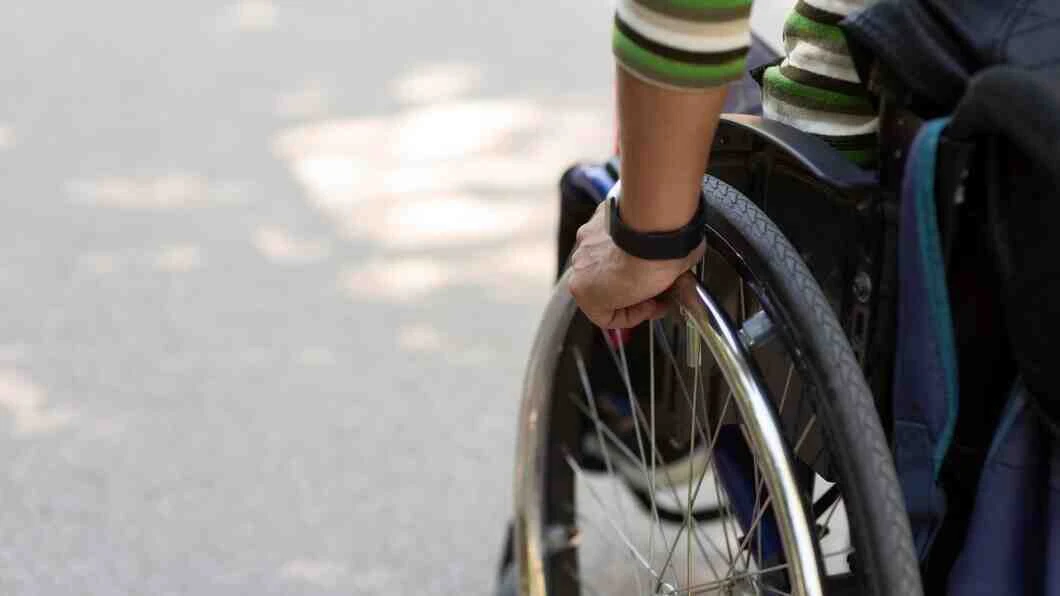
Discover the importance of designing inclusively in architecture. Learn how to meet the unique needs of disabled individuals and create accessible spaces for all.
Sign up to start winning an unlimited amount of jobs near you.


 Electrician
Gas Engineer
Electrician
Gas Engineer


Send more enquiries and explore your options
Increasing the number of potentials leads for you!
Have more control and flexibility over your finances!