



## 1. Understanding Environmental Regulations:
### Overview:
A foundational step in navigating environmental regulations is to gain a comprehensive understanding of the local, national, and international laws that govern environmental protection in your operating area.
### Execution:
- Research and Compliance: Thoroughly research and understand environmental laws applicable to construction and groundwork projects.
- Permit Requirements: Identify and adhere to permit requirements related to environmental impact assessments and approvals.
- Consultation: Seek guidance from environmental experts or regulatory bodies to ensure compliance with specific project requirements.
## 2. Environmental Impact Assessments (EIAs):
### Overview:
EIAs are comprehensive studies conducted to evaluate the potential environmental effects of a proposed project, influencing project design and implementation.
### Execution:
- Early Engagement: Engage with environmental experts early in the project planning phase.
- Identification of Impacts: Identify and assess potential environmental impacts, including soil erosion, habitat disruption, and water contamination.
- Mitigation Measures: Develop and implement mitigation measures to address identified impacts.
## 3. Soil and Water Management:
### Overview:
Effective soil and water management is crucial to prevent contamination and preserve natural ecosystems.
### Execution:
- Sediment Control Measures: Implement measures such as silt fences and sediment basins to control soil erosion.
- Runoff Management: Design systems to manage stormwater runoff and prevent pollution of nearby water bodies.
- Soil Stabilization Techniques: Use techniques like revegetation and erosion control blankets to stabilize soil.
## 4. Waste Management Practices:
### Overview:
Proper waste management ensures that construction and groundwork activities do not contribute to environmental pollution.
### Execution:
- Waste Segregation: Implement systems for the segregation of construction waste, including concrete, wood, and hazardous materials.
- Recycling Programs: Establish recycling programs for materials such as metal, plastic, and glass.
- Disposal Compliance: Ensure that waste disposal is carried out in compliance with local regulations.
## 5. Protection of Natural Habitats:
### Overview:
Preserving natural habitats is a critical aspect of environmental regulations, particularly in areas with diverse ecosystems.
### Execution:
- Habitat Surveys: Conduct habitat surveys to identify and assess the impact of groundwork activities on local flora and fauna.
- Buffer Zones: Establish buffer zones to protect sensitive habitats from construction-related disturbances.
- Biodiversity Conservation: Implement measures to conserve and enhance biodiversity in and around the project site.
## 6. Noise and Air Quality Management:
### Overview:
Effective management of noise and air quality is essential to minimize the impact of groundwork projects on the surrounding environment and communities.
### Execution:
- Noise Monitoring: Conduct regular noise monitoring to ensure compliance with permissible limits.
- Dust Control Measures: Implement dust control measures such as water spraying and dust suppressants.
- Emission Reduction: Use low-emission equipment and machinery to reduce air pollution.
## 7. Contaminated Land Considerations:
### Overview:
Contaminated land poses unique challenges, and addressing these concerns is integral to regulatory compliance.
### Execution:
- Site Assessment: Conduct thorough assessments to identify potential contamination issues.
- Remediation Plans: Develop and implement remediation plans to address soil and groundwater contamination.
- Monitoring and Reporting: Implement ongoing monitoring and reporting mechanisms to track the effectiveness of remediation efforts.
## 8. Protected Species and Cultural Heritage:
### Overview:
Projects that may impact protected species or cultural heritage sites require special consideration and compliance with specific regulations.
### Execution:
- Species Surveys: Conduct surveys to identify the presence of protected species in the project area.
- Archaeological Assessments: Undertake assessments to identify and protect cultural heritage sites.
- Consultation with Authorities: Engage with relevant authorities to obtain necessary permits and guidance.
## 9. Compliance Documentation:
### Overview:
Maintaining comprehensive documentation of environmental compliance efforts is crucial for regulatory transparency.
### Execution:
- Record-Keeping: Maintain detailed records of environmental impact assessments, permits, and compliance actions.
- Reporting: Submit required reports to regulatory bodies in a timely and accurate manner.
- Audit Preparation: Ensure that documentation is organized and readily available for potential audits.
## 10. Continuous Improvement and Adaptation:
### Overview:
Environmental regulations are dynamic, and a commitment to continuous improvement ensures that groundwork practices evolve with changing requirements.
### Execution:
- Regular Review: Conduct regular reviews of environmental management practices and regulations.
- Stakeholder Engagement: Engage with stakeholders, including environmental groups and local communities, to gather feedback.
- Technology Adoption: Explore innovative technologies and practices that contribute to sustainability and compliance.
## Conclusion: Paving the Way for Sustainable Groundwork
Environmental regulations are not obstacles but guidelines that pave the way for sustainable groundwork practices. By understanding, respecting, and actively adhering to these regulations, groundwork professionals contribute to the preservation of ecosystems, protection of natural resources, and the overall well-being of communities. Beyond compliance, the adoption of eco-friendly practices positions groundwork projects as stewards of the environment, embracing a responsibility that extends beyond the boundaries of construction sites. In this collective commitment to environmental sustainability, groundwork projects can leave a positive legacy for future generations.

Architects play a pivotal role in designing buildings that are not only aesthetically pleasing but also safe and functional. One of the crucial aspects of architectural design is ensuring compliance w...

In the realm of architectural design, aesthetics, and functionality often take center stage. However, a paramount concern that should never be overlooked is safety. The safety of occupants and users i...
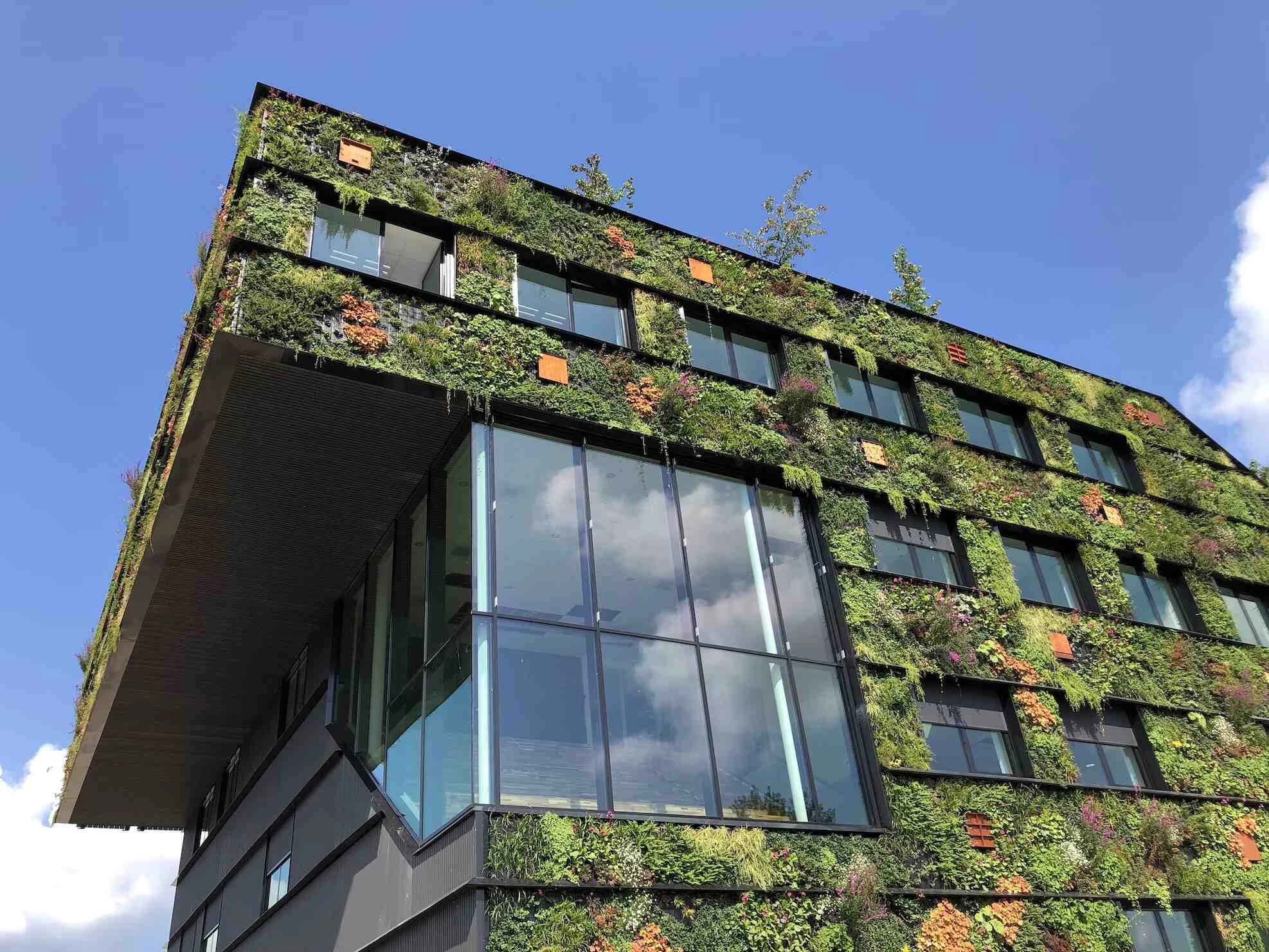
Explore the delicate balance between sustainability innovation and safety regulations in architectural design. Discover how architects create eco-friendly yet safe spaces.
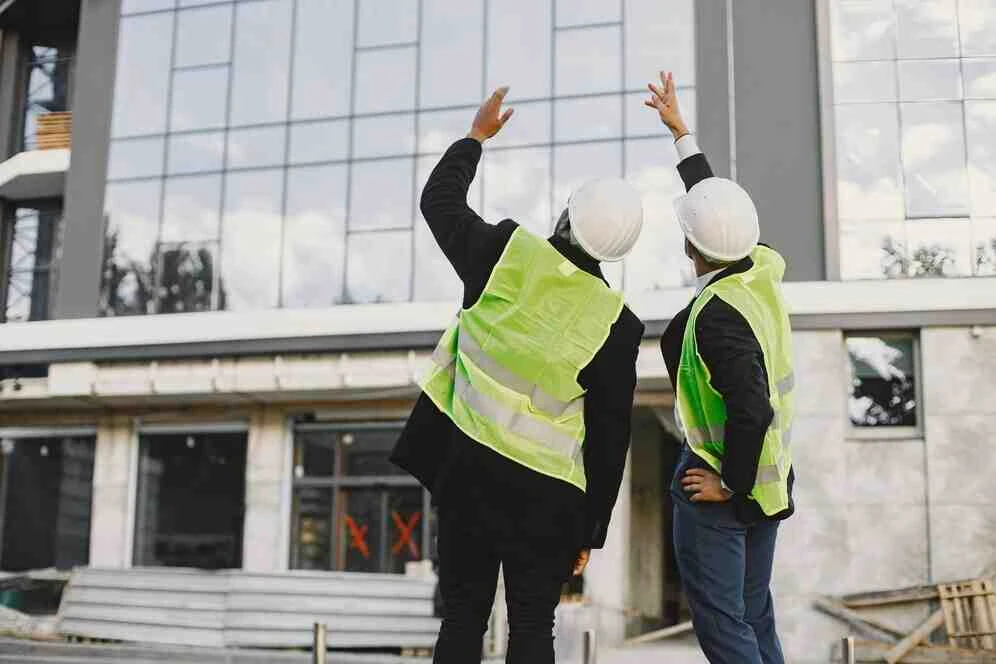
Discover the latest seismic safety innovations for architects in the UK. Stay informed to design resilient structures in low-seismic-risk regions.

Explore fire safety in UK architecture. Learn about codes, fire-resistant materials, and design strategies to protect lives and property in architectural projects.

Discover the importance of designing inclusively in architecture. Learn how to meet the unique needs of disabled individuals and create accessible spaces for all.
Sign up to start winning an unlimited amount of jobs near you.


 Electrician
Gas Engineer
Electrician
Gas Engineer


Send more enquiries and explore your options
Increasing the number of potentials leads for you!
Have more control and flexibility over your finances!