

1. Comprehensive Training
Training is the cornerstone of a safe roofline job site. Ensure that all workers are adequately trained in the specific tasks they will be performing. Training should cover topics such as fall protection, proper equipment usage, material handling, and emergency procedures.
2. Fall Protection
Falls are one of the most significant risks in roofline work. Implement effective fall protection systems such as guardrails, safety nets, or personal fall arrest systems. Regularly inspect and maintain these systems to ensure they are in good working condition.
3. Regular Safety Meetings
Hold regular safety meetings to discuss potential hazards, review safety procedures, and address any concerns or questions from the team. These meetings keep safety at the forefront of everyone"s minds and allow for open communication about safety-related issues.
4. Weather Monitoring
Weather conditions can change rapidly, especially in certain regions. Keep an eye on weather forecasts and be prepared to halt work if adverse conditions, such as strong winds, lightning, or heavy rain, pose a threat to safety. Ensure that workers have a safe shelter to seek refuge during adverse weather.
5. Proper Equipment and Tools
Provide workers with the right equipment and tools for the job. Make sure equipment is regularly inspected, maintained, and replaced if damaged. Workers should also be trained in the safe use of these tools to prevent accidents.
6. Inspect and Secure Roof Structures
Before work begins, inspect the roof structure for any weaknesses or damage. Ensure that the roof is strong enough to support the weight of workers and materials. Address any structural issues before starting the job.
7. Personal Protective Equipment (PPE)
Mandate the use of appropriate personal protective equipment (PPE). This includes hard hats, non-slip footwear, safety glasses, gloves, and hearing protection when necessary. Make sure workers wear the required PPE at all times.
8. Guarding Openings and Edges
Openings and edges present significant fall hazards. Guard these areas with guardrails or safety covers to prevent accidental falls. All holes, skylights, and roof edges should be clearly marked and protected.
9. Proper Ladder Usage
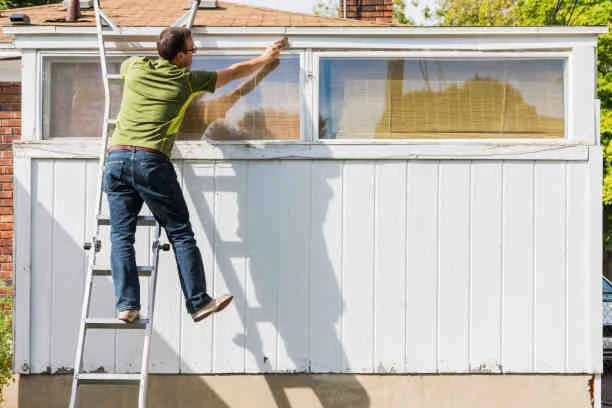
Ladders are commonly used on roofline job sites. Ensure that workers use ladders safely by securing them, maintaining three points of contact, and positioning them on level ground. Consider using ladder stabilizers or extenders to enhance stability.
10. Emergency Response Plan
Develop a comprehensive emergency response plan that includes procedures for addressing accidents, injuries, and medical emergencies. Ensure all workers know how to access first aid supplies and are trained in CPR and basic first aid.
11. Safety Culture
Cultivate a culture of safety among your team. Encourage workers to report unsafe conditions or actions without fear of retribution. Recognize and reward safe practices to motivate employees to prioritize safety.
Conclusion
Safety on roofline job sites is a non-negotiable priority. By following these best practices and continuously assessing and improving your safety procedures, you can create a work environment where accidents and injuries are minimized, and your team can carry out their tasks with confidence and peace of mind. Remember that a safe job site is not only a legal requirement but also a reflection of your company"s commitment to the well-being of your employees.

Architects play a pivotal role in designing buildings that are not only aesthetically pleasing but also safe and functional. One of the crucial aspects of architectural design is ensuring compliance w...
In the realm of architectural design, aesthetics, and functionality often take center stage. However, a paramount concern that should never be overlooked is safety. The safety of occupants and users i...

Explore the delicate balance between sustainability innovation and safety regulations in architectural design. Discover how architects create eco-friendly yet safe spaces.
Discover the latest seismic safety innovations for architects in the UK. Stay informed to design resilient structures in low-seismic-risk regions.
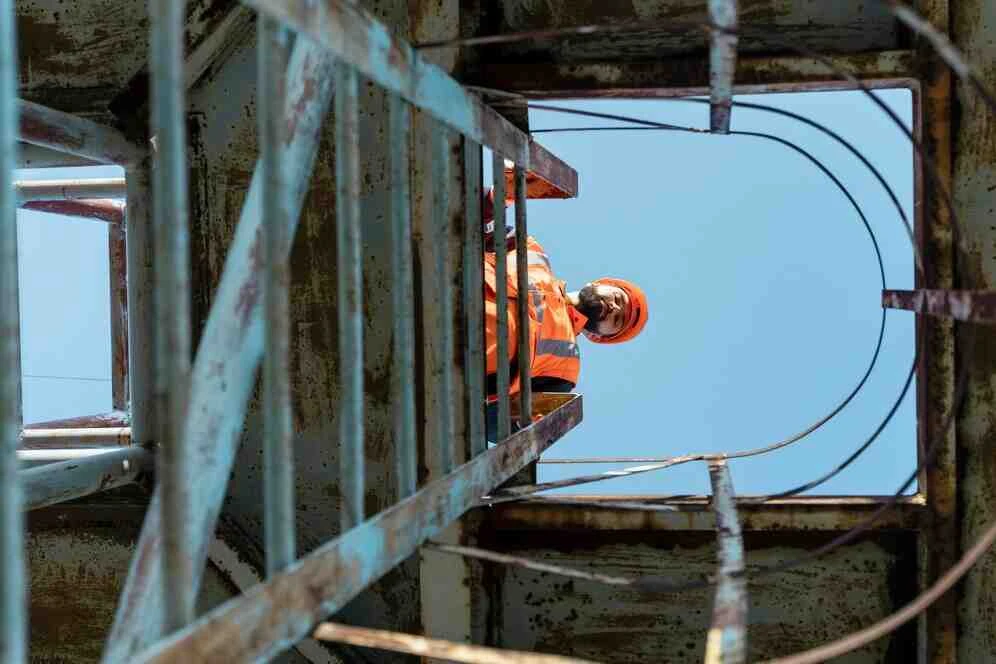
Explore fire safety in UK architecture. Learn about codes, fire-resistant materials, and design strategies to protect lives and property in architectural projects.

Discover the importance of designing inclusively in architecture. Learn how to meet the unique needs of disabled individuals and create accessible spaces for all.
Sign up to start winning an unlimited amount of jobs near you.


 Electrician
Gas Engineer
Electrician
Gas Engineer


Send more enquiries and explore your options
Increasing the number of potentials leads for you!
Have more control and flexibility over your finances!