

**1. Risk Assessment**
Before commencing any loft conversion project, conduct a thorough risk assessment. Identify potential hazards such as electrical wiring, fragile roofing, uneven surfaces, and structural weaknesses. Assess the risks associated with working at height, as loft conversions often involve climbing ladders and scaffolding. Understanding the potential dangers allows you to put preventive measures in place.
**2. Safety Training**
Training is paramount in ensuring a safe work environment. All workers should receive proper training, including instruction on the safe use of equipment, ladder safety, and working at heights. Ensure that everyone on the job site is aware of emergency procedures and knows how to respond in the event of an accident or injury.
**3. Personal Protective Equipment (PPE)**
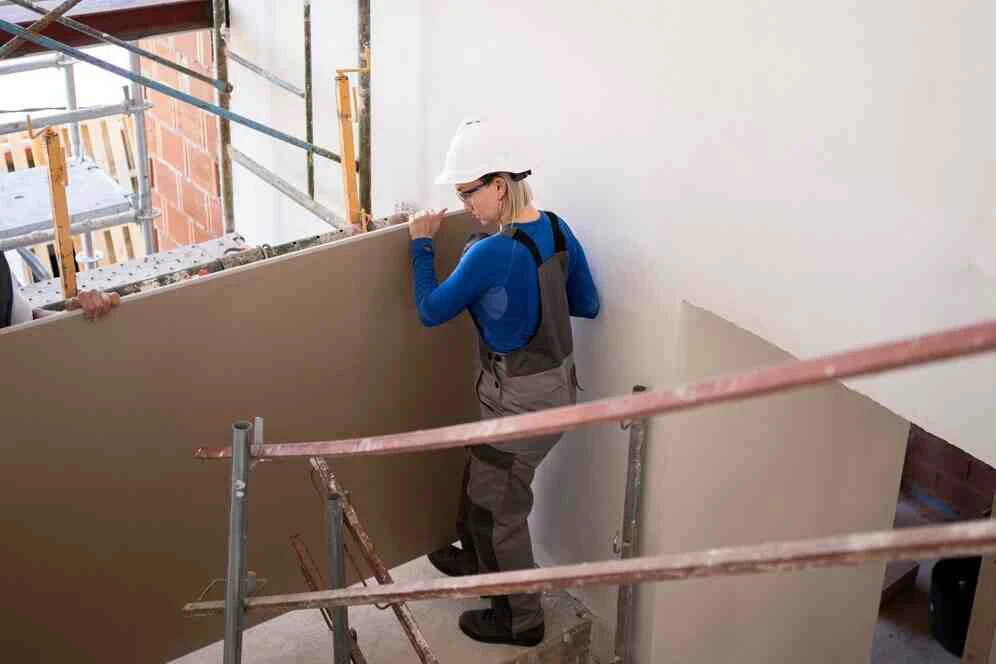
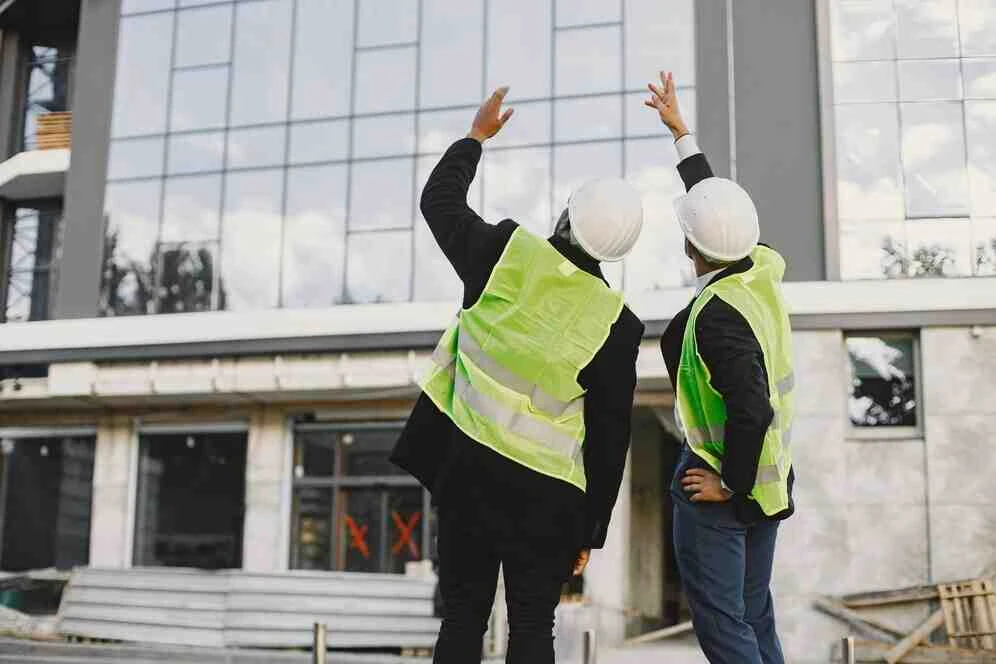
Require all workers to wear appropriate PPE, including helmets, safety goggles, gloves, and high-visibility clothing. If the project involves potentially hazardous materials, such as insulation or chemicals, ensure that respirators or masks are provided as necessary.
**4. Secure Ladders and Scaffolding**
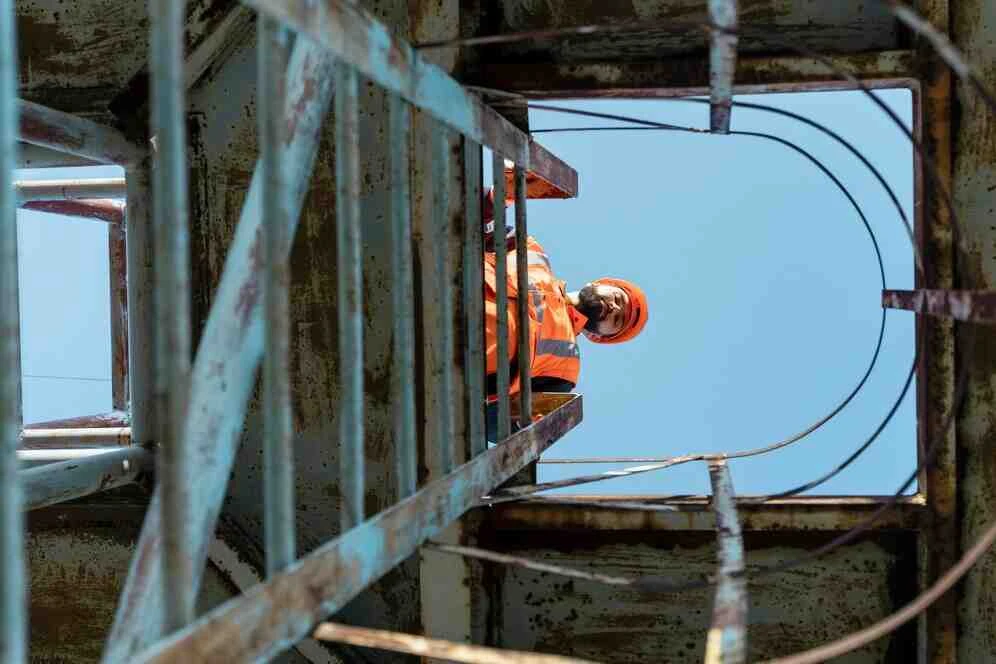
Loft conversion projects often involve working at height. Ensure that ladders and scaffolding are properly secured and in good condition. Regularly inspect these structures to identify and address any issues that could compromise safety.
**5. Fall Protection Systems**
Implement fall protection systems, such as guardrails and safety nets, to prevent falls from heights. Workers should also use personal fall arrest systems (PFAS) when working at heights. These systems include harnesses and lanyards designed to prevent falls and reduce the severity of injuries if a fall occurs.
**6. Proper Lighting**
A well-lit work environment is essential for safety. Ensure there is adequate lighting in the loft space and on stairways and access points to prevent accidents. Proper lighting reduces the risk of tripping, falling, and other accidents.
**7. Adequate Ventilation**
In some loft conversion projects, there may be a need for ventilation to manage dust, fumes, or other airborne hazards. Proper ventilation systems should be in place to maintain air quality and protect workers from respiratory issues.
**8. Electrical Safety**
Ensure that all electrical systems are in good working order and installed by qualified professionals. Faulty wiring and electrical hazards pose significant risks. Electrical work in loft conversions should adhere to safety standards and regulations.
**9. Fire Safety**
Fire safety is crucial in loft conversions. Keep fire extinguishers and other firefighting equipment readily available on-site. Establish clear evacuation procedures and ensure that all workers are familiar with them.
**10. Regular Inspections**
Frequent inspections are essential for maintaining safety. Regularly check equipment, materials, and the overall condition of the site. Address any issues promptly to prevent accidents.
**11. Communication and Coordination**
Effective communication and coordination are essential on any construction site. Ensure that workers are aware of the roles and responsibilities of all team members. Implement regular safety meetings to discuss potential hazards and solutions.
**12. Access Control**
Limit access to the construction site to authorized personnel only. Unauthorized entry can pose safety risks. Use barriers or signage to clearly mark the boundaries of the work area.
In conclusion, safety on loft conversion job sites is a collective responsibility. Contractors, workers, and homeowners must work together to create a safe environment for everyone involved. By following these best practices, you can mitigate risks, reduce accidents, and ensure that loft conversions are not only beautiful and functional but also safe for all those involved in the project.

Architects play a pivotal role in designing buildings that are not only aesthetically pleasing but also safe and functional. One of the crucial aspects of architectural design is ensuring compliance w...
In the realm of architectural design, aesthetics, and functionality often take center stage. However, a paramount concern that should never be overlooked is safety. The safety of occupants and users i...
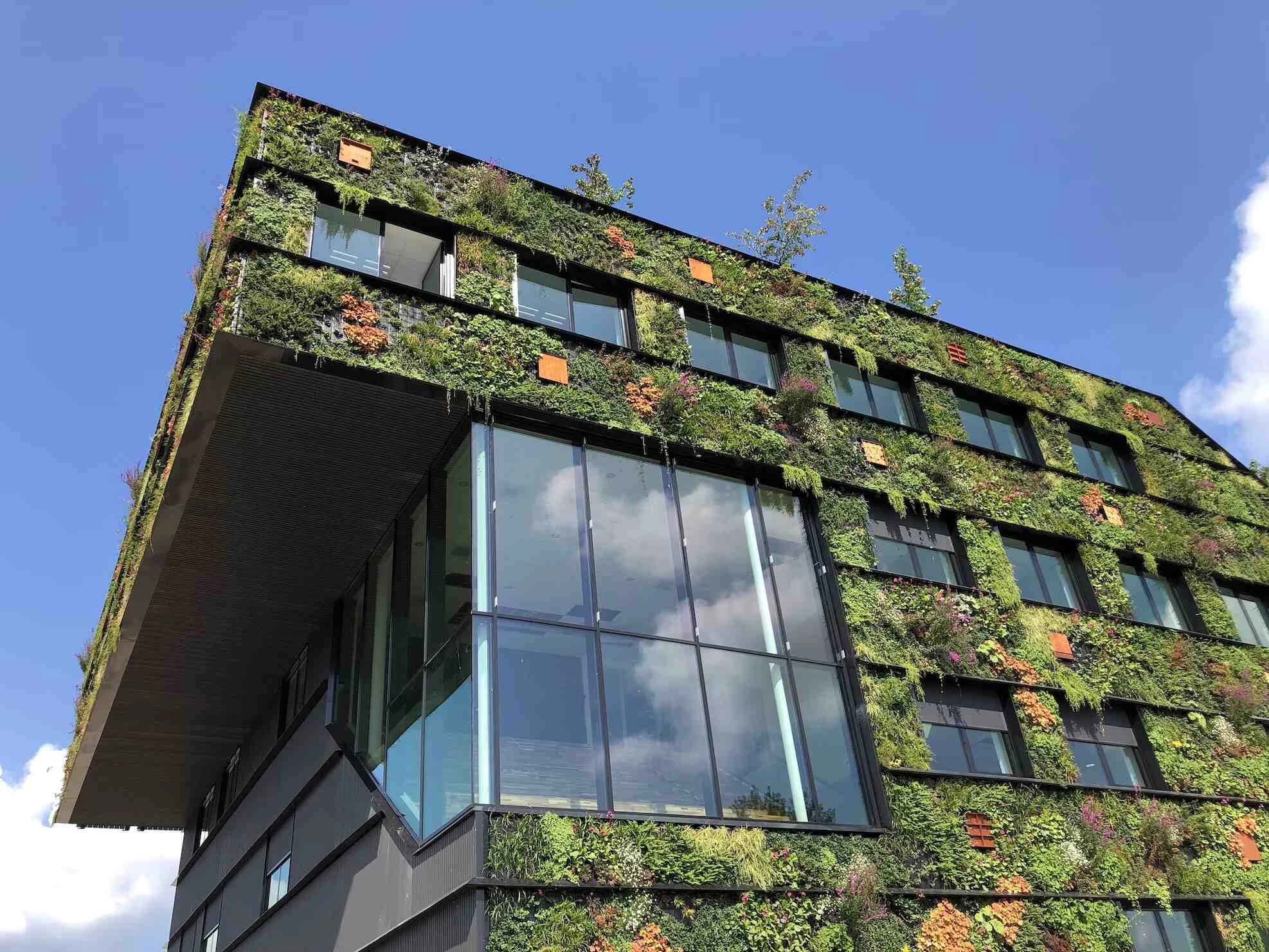
Explore the delicate balance between sustainability innovation and safety regulations in architectural design. Discover how architects create eco-friendly yet safe spaces.
Discover the latest seismic safety innovations for architects in the UK. Stay informed to design resilient structures in low-seismic-risk regions.
Explore fire safety in UK architecture. Learn about codes, fire-resistant materials, and design strategies to protect lives and property in architectural projects.

Discover the importance of designing inclusively in architecture. Learn how to meet the unique needs of disabled individuals and create accessible spaces for all.
Sign up to start winning an unlimited amount of jobs near you.


 Electrician
Gas Engineer
Electrician
Gas Engineer


Send more enquiries and explore your options
Increasing the number of potentials leads for you!
Have more control and flexibility over your finances!