

Risk Assessment and Planning
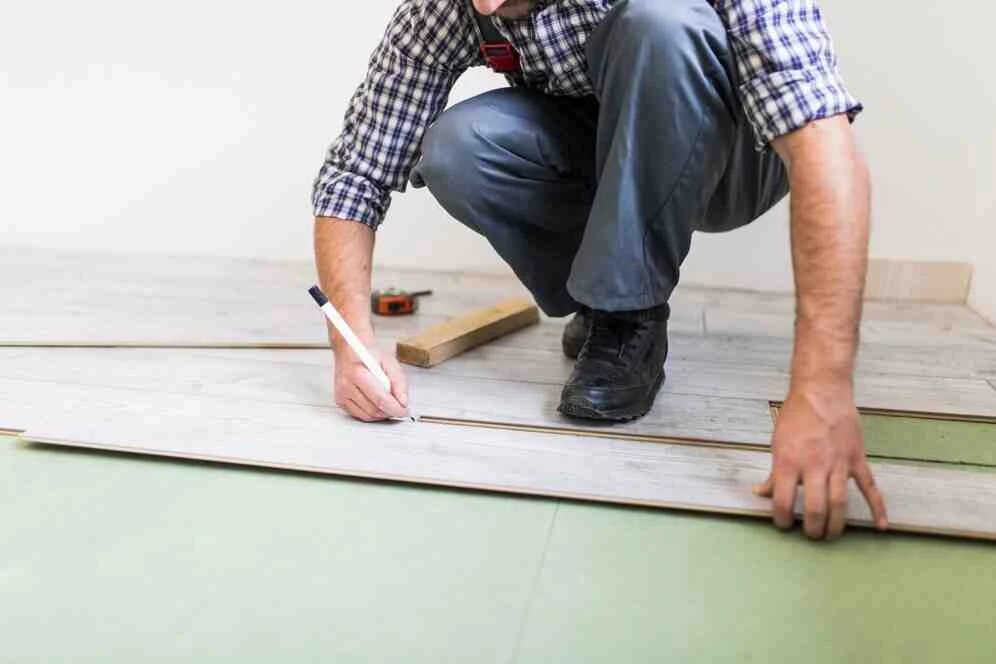
Before commencing any flooring installation project, a thorough risk assessment should be conducted. This involves identifying potential hazards and determining how they can be mitigated. Some common risks on flooring installation sites include:
a. Tripping and slipping hazards due to debris or spilled materials.
b. Exposure to harmful chemicals in adhesives and finishes.
c. Potential electrical hazards from tools and equipment.
d. Lifting and carrying heavy flooring materials, leading to musculoskeletal injuries.
e. Inadequate ventilation, leading to respiratory problems.
By identifying these risks, project managers can create a detailed safety plan that includes measures for prevention and response.
Safety Training and Certification
Every member of the flooring installation team should receive proper safety training and certification. This training should cover:
a. Proper handling and storage of materials.
b. Safe use of tools and equipment.
c. Hazard identification and reporting.
d. Emergency procedures.
e. Proper lifting techniques to prevent injuries.
Certifications should be up-to-date, and ongoing training should be provided to keep workers informed about the latest safety protocols.
Personal Protective Equipment (PPE)
The use of appropriate personal protective equipment is non-negotiable on flooring installation sites. Workers should be equipped with:
a. Safety goggles to protect against debris and chemicals.
b. Ear protection for noisy environments.
c. Dust masks or respirators to guard against airborne particles.
d. Hard hats to prevent head injuries.
e. Gloves to protect hands from cuts and chemicals.
f. Non-slip footwear to reduce the risk of falls.
Ensuring that workers wear PPE consistently is vital for site safety.
Tool Safety
Flooring installation involves various tools, and their safe use is essential. Here are some tool safety tips:
a. Regularly inspect tools for damage and ensure they are in good working condition.
b. Follow manufacturer instructions for tool operation.
c. Use guards and safety features provided with the tools.
d. Store tools properly and keep them organized to prevent tripping hazards.
e. Disconnect power sources when tools are not in use.
Proper Ventilation
In flooring installation, the use of adhesives, finishes, and other chemicals is common. Adequate ventilation is crucial to prevent the buildup of harmful fumes. If working in enclosed spaces, consider using exhaust fans or opening windows and doors to ensure proper air circulation.
Material Handling and Storage
Proper material handling and storage are essential for preventing injuries and damage. Guidelines for material handling include:
a. Lift with your legs, not your back, to prevent strains and sprains.
b. Use mechanical aids like dollies or forklifts for heavy materials.
c. Store materials in designated areas to prevent tripping hazards.
d. Keep materials dry and protected from the elements.
Emergency Response
Even with the best precautions, accidents can happen. Flooring installation teams should have clear emergency response protocols in place. This includes:
a. Having first-aid kits readily available.
b. Training team members in CPR and basic first aid.
c. Establishing communication procedures for emergencies.
d. Evacuation plans for various types of emergencies, such as fires or chemical spills.
Site Inspections
Regular site inspections should be conducted to ensure that safety protocols are being followed. This can be done by designated safety officers or supervisors. Any violations should be addressed promptly to maintain a safe working environment.
Documentation and Reporting
Maintain detailed records of safety training, certifications, inspections, and incident reports. Documentation helps identify trends, track improvements, and ensure compliance with safety regulations.
Ongoing Safety Culture
Promote a culture of safety within the flooring installation team. Encourage open communication about safety concerns and suggestions for improvement. Recognize and reward individuals and teams that prioritize safety.
Conclusion
Safety should never be compromised on flooring installation sites. By conducting risk assessments, providing proper training, using personal protective equipment, and following safety protocols, we can ensure that every installation project is completed without harm to workers or property. Remember, a commitment to safety not only protects lives but also contributes to the success and reputation of flooring professionals in the industry. So, whether you"re a flooring contractor, a project manager, or a worker, prioritize safety and make it an integral part of every flooring installation endeavor.

Architects play a pivotal role in designing buildings that are not only aesthetically pleasing but also safe and functional. One of the crucial aspects of architectural design is ensuring compliance w...
In the realm of architectural design, aesthetics, and functionality often take center stage. However, a paramount concern that should never be overlooked is safety. The safety of occupants and users i...

Explore the delicate balance between sustainability innovation and safety regulations in architectural design. Discover how architects create eco-friendly yet safe spaces.
Discover the latest seismic safety innovations for architects in the UK. Stay informed to design resilient structures in low-seismic-risk regions.
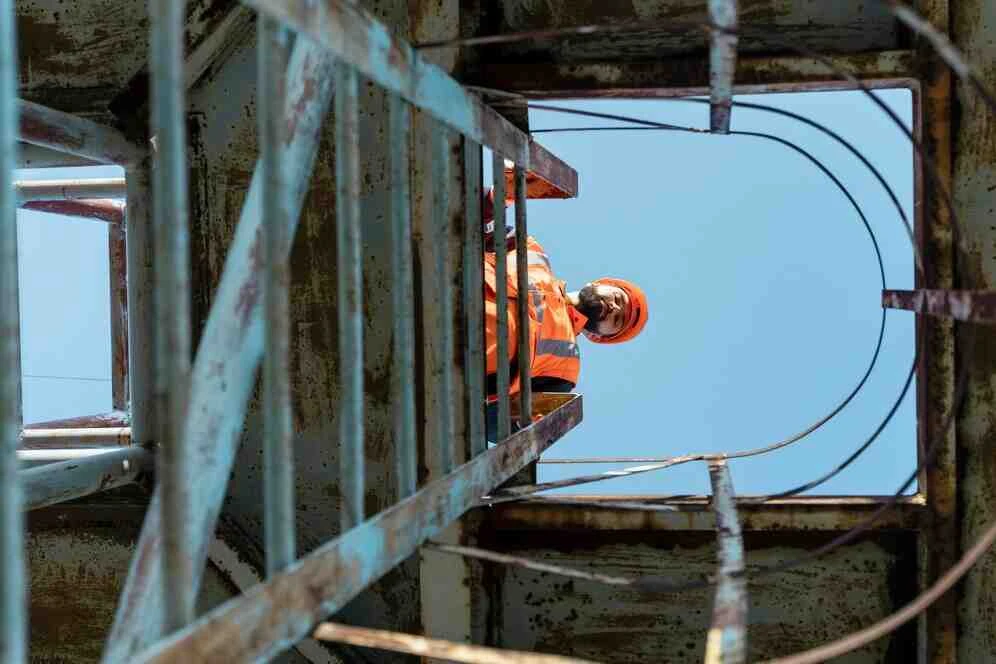
Explore fire safety in UK architecture. Learn about codes, fire-resistant materials, and design strategies to protect lives and property in architectural projects.
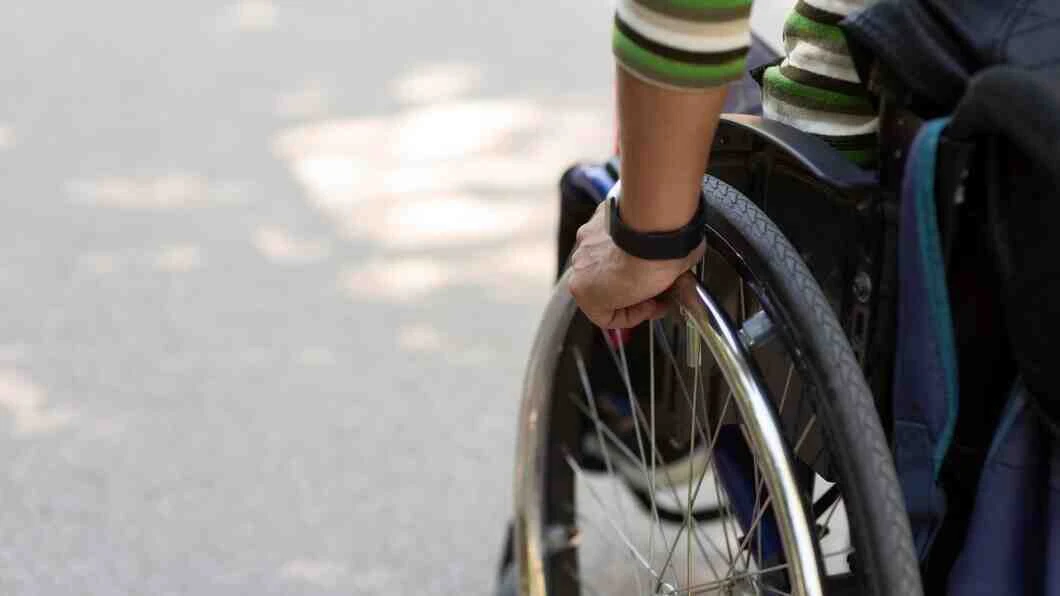
Discover the importance of designing inclusively in architecture. Learn how to meet the unique needs of disabled individuals and create accessible spaces for all.
Sign up to start winning an unlimited amount of jobs near you.


 Electrician
Gas Engineer
Electrician
Gas Engineer


Send more enquiries and explore your options
Increasing the number of potentials leads for you!
Have more control and flexibility over your finances!