

Choose the Right Location
The first and most critical step in ensuring safety during fireplace installation is selecting the appropriate location. Fireplaces, whether wood-burning or gas, need ample clearance from combustible materials. Make sure the site is free from overhanging trees, flammable materials, and any obstacles that could pose a fire hazard.
Follow Building Codes and Regulations
Every region and jurisdiction has specific building codes and regulations governing fireplace installations. These codes are in place to ensure safety and compliance with standards. Before you start your project, it"s essential to research and understand the relevant regulations in your area. Failure to comply with these codes can result in serious safety hazards and legal issues down the road.
Hire a Qualified Professional
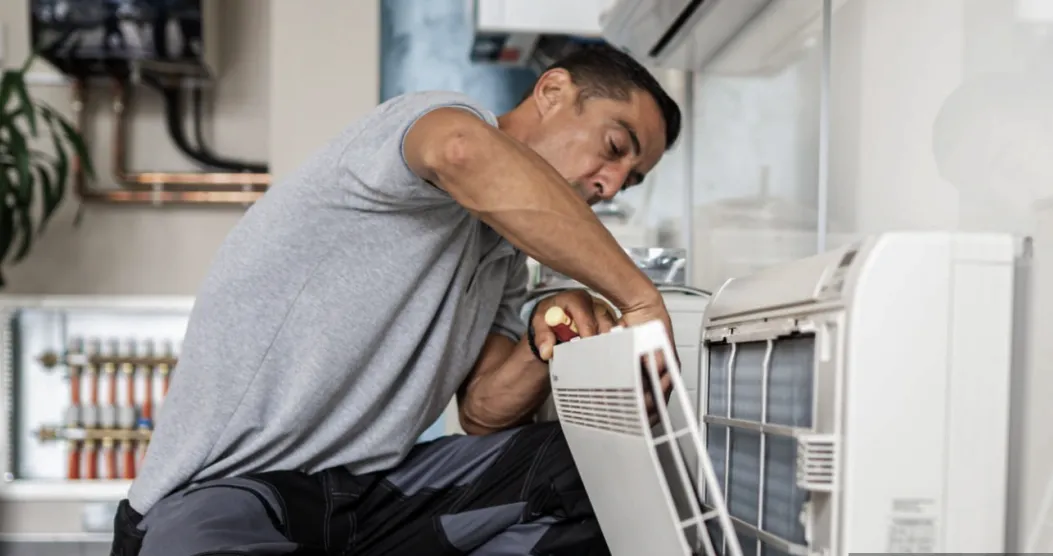
Fireplace installation is not a DIY project for the faint of heart. It requires a deep understanding of the technology and potential hazards involved. Hiring a qualified professional with experience in fireplace installation is a must. Look for professionals who are licensed and certified, and make sure they have a track record of successful installations.
Proper Ventilation
One of the most critical safety aspects of fireplace installation is ventilation. If a fireplace doesn"t vent correctly, it can release harmful gases, such as carbon monoxide, into your home. To ensure proper ventilation, the installation should include the installation of a chimney or venting system that meets safety standards.
The Right Fireplace Type
There are various types of fireplaces, each with its unique safety considerations. Consider your needs, the available space, and your preferences when choosing the type of fireplace. Wood-burning fireplaces require the proper storage of firewood, while gas fireplaces need a secure gas supply. Electric fireplaces, on the other hand, need access to a power source. Always choose the type that suits your lifestyle and safety requirements.
Fireproof Materials
Using the right materials is crucial to ensure the safety of your fireplace installation. Fire-resistant materials, such as firebrick, should be used in the firebox to withstand high temperatures. The surrounding area should also be constructed with fireproof materials, ensuring that the heat from the fireplace does not pose a threat to nearby structures.
Maintain Clearances
Maintaining proper clearances is vital to prevent fires. The National Fire Protection Association (NFPA) provides guidelines for clearances to combustibles, specifying how far your fireplace should be from walls, furniture, and other flammable objects. Always adhere to these guidelines to reduce the risk of fire.
Smoke and Carbon Monoxide Detectors
Install smoke and carbon monoxide detectors in your home, especially in areas near the fireplace. These devices can save lives by alerting you to dangerous conditions. Regularly test and maintain them to ensure they function properly.
Regular Inspections and Maintenance
After installation, your responsibilities don"t end. Regular inspections and maintenance are essential to keep your fireplace in safe working condition. Have a professional inspect and clean your fireplace regularly to prevent the buildup of creosote (in the case of wood-burning fireplaces) and ensure that the system is free from leaks or blockages.
Proper Storage and Handling of Fuels
If you"re using a wood-burning fireplace, it"s crucial to store firewood correctly. Keep the wood dry, away from the house, and covered to prevent mold and insects. Also, follow safety guidelines when handling fuels, and never use gasoline or other flammable liquids to start a fire.
Conclusion
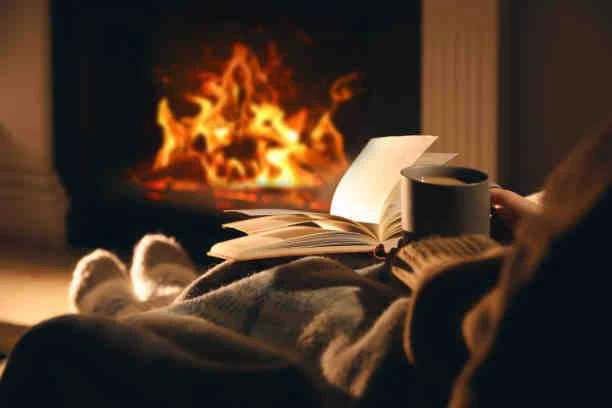
A fireplace is a beautiful addition to any home, but ensuring safety on fireplace installation sites is of paramount importance. By choosing the right location, following building codes and regulations, hiring a qualified professional, providing proper ventilation, and using the right materials, you can enjoy the warmth and ambiance of a fireplace without compromising safety. Regular inspections, smoke and carbon monoxide detectors, and safe fuel handling practices are all part of responsible fireplace ownership. By taking these steps, you can create a warm and inviting space that brings joy and comfort while keeping your family safe during those cold winter nights.

Architects play a pivotal role in designing buildings that are not only aesthetically pleasing but also safe and functional. One of the crucial aspects of architectural design is ensuring compliance w...
In the realm of architectural design, aesthetics, and functionality often take center stage. However, a paramount concern that should never be overlooked is safety. The safety of occupants and users i...

Explore the delicate balance between sustainability innovation and safety regulations in architectural design. Discover how architects create eco-friendly yet safe spaces.
Discover the latest seismic safety innovations for architects in the UK. Stay informed to design resilient structures in low-seismic-risk regions.
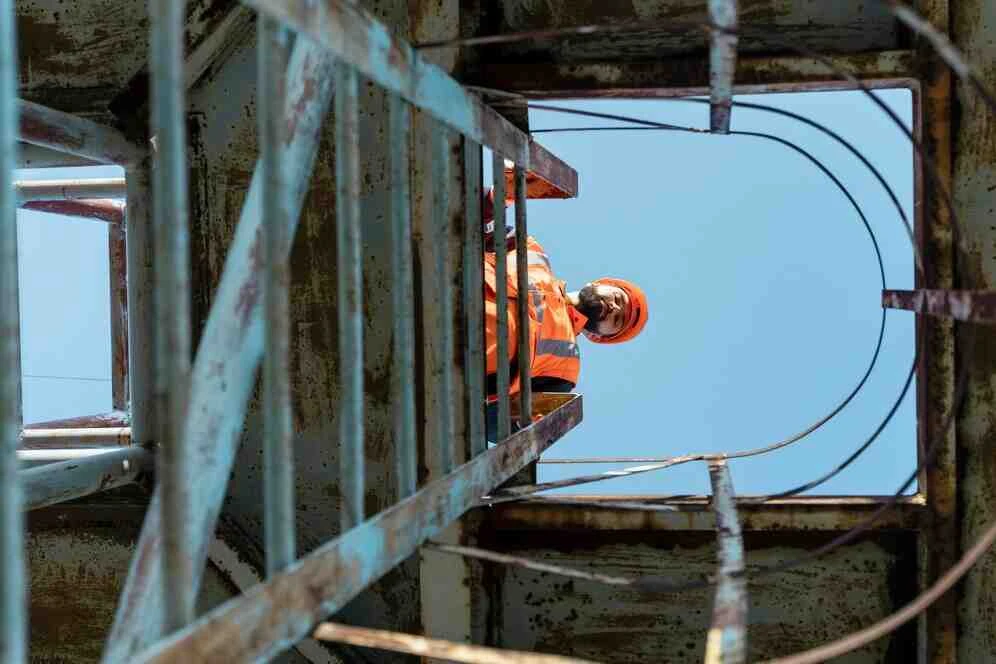
Explore fire safety in UK architecture. Learn about codes, fire-resistant materials, and design strategies to protect lives and property in architectural projects.
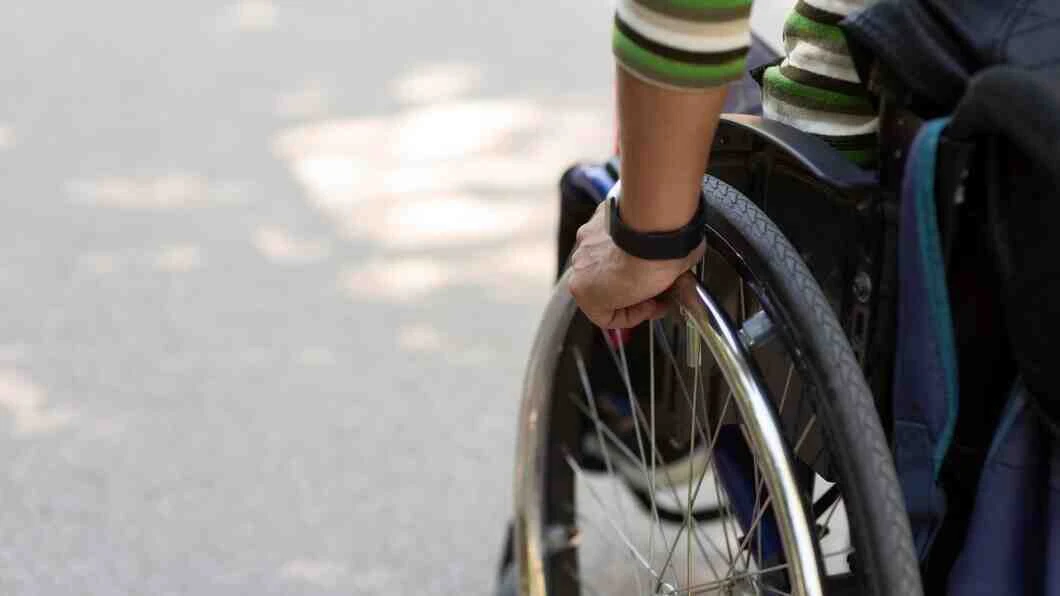
Discover the importance of designing inclusively in architecture. Learn how to meet the unique needs of disabled individuals and create accessible spaces for all.
Sign up to start winning an unlimited amount of jobs near you.


 Electrician
Gas Engineer
Electrician
Gas Engineer


Send more enquiries and explore your options
Increasing the number of potentials leads for you!
Have more control and flexibility over your finances!