


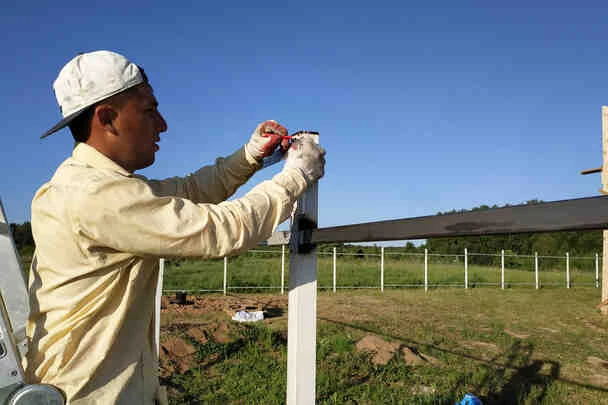
1. Comprehensive Training
Begin with comprehensive training for all workers involved in the project. Ensure they are familiar with the specific tasks, equipment, and materials they will be using. Training should cover safety protocols, emergency procedures, and the proper use of personal protective equipment (PPE).
2. Personal Protective Equipment (PPE)
PPE is a fundamental component of safety on fence job sites. Provide and enforce the use of appropriate PPE, including hard hats, steel-toed boots, high-visibility clothing, safety glasses, gloves, and hearing protection. The specific requirements may vary based on the project and its unique hazards.
3. Site Assessment and Planning
Conduct a thorough site assessment to identify potential hazards. Plan the project with safety in mind, including equipment placement, emergency access routes, and fall protection systems if working at heights. Address potential issues before they become accidents.
4. Equipment Safety
Regularly inspect and maintain all equipment used on the job site. Ensure that tools and machinery are in good working condition to prevent accidents caused by equipment failure. Train operators in the safe use and maintenance of all machinery.
5. Hazard Communication
Effective hazard communication is crucial. Clearly label hazardous materials and provide safety data sheets (SDS) for chemicals. Inform all workers about the potential hazards and the necessary precautions they should take when working with or near these materials.
6. Fall Protection
If working at heights, use fall protection systems such as guardrails, safety nets, or personal fall arrest systems. Ensure that workers are properly trained in fall protection and that the equipment is regularly inspected and maintained.
7. Secure Material Handling
Safe handling of materials is essential. Use proper lifting techniques to avoid strains and sprains. Secure materials during transport and storage to prevent accidents. Ensure that workers are trained in safe material handling procedures.
8. First Aid and Emergency Response
Have a well-equipped first aid kit on-site, and ensure that at least one worker is trained in first aid and CPR. Develop an emergency response plan that covers fire, medical emergencies, and other potential crises, and ensure all workers are aware of the plan and their roles in an emergency.
9. Communication and Collaboration
Establish effective communication channels among workers, supervisors, and project managers. Encourage open dialogue about safety concerns and ideas for improvement. Collaboration is key to creating a safety-conscious work environment.
10. Regular Safety Audits and Inspections
Frequent safety audits and inspections should be conducted by competent personnel. Identify potential issues and hazards, and take corrective actions promptly. Regular safety checks help maintain a safe work environment throughout the project"s duration.
Conclusion
Ensuring safety on fence job sites is an ongoing commitment that should be ingrained in the culture of your company. By following best practices, providing proper training and equipment, and conducting regular safety audits, you can significantly reduce the risks associated with fencing projects. Prioritizing safety not only protects your workers and the public but also enhances your reputation, reduces costs associated with accidents, and helps ensure the successful completion of projects. Safety should always come first in the fencing industry, making it a top priority for everyone involved.

Architects play a pivotal role in designing buildings that are not only aesthetically pleasing but also safe and functional. One of the crucial aspects of architectural design is ensuring compliance w...
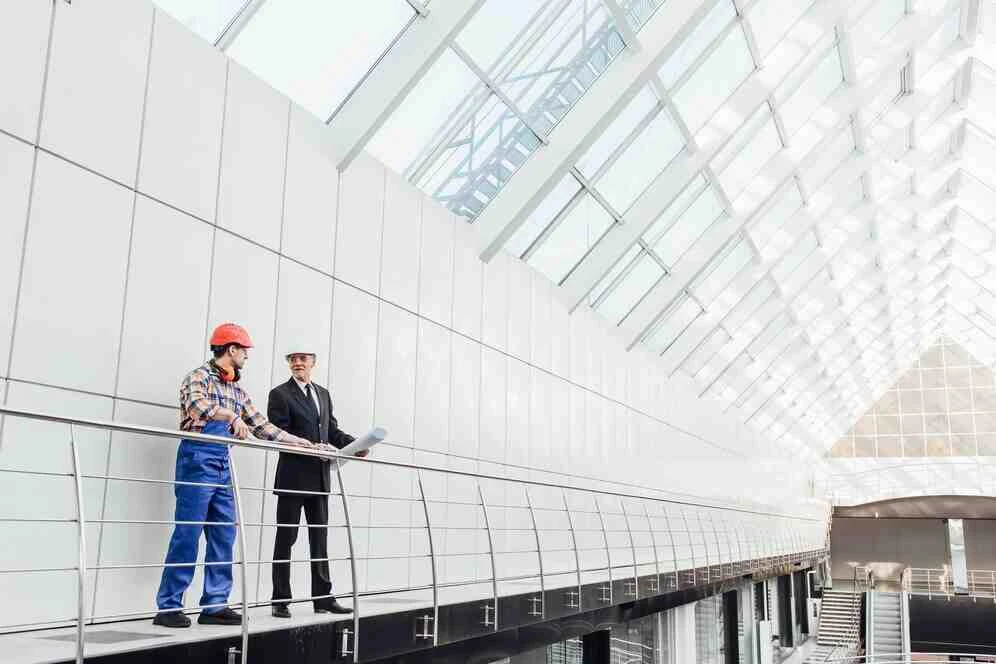
In the realm of architectural design, aesthetics, and functionality often take center stage. However, a paramount concern that should never be overlooked is safety. The safety of occupants and users i...

Explore the delicate balance between sustainability innovation and safety regulations in architectural design. Discover how architects create eco-friendly yet safe spaces.
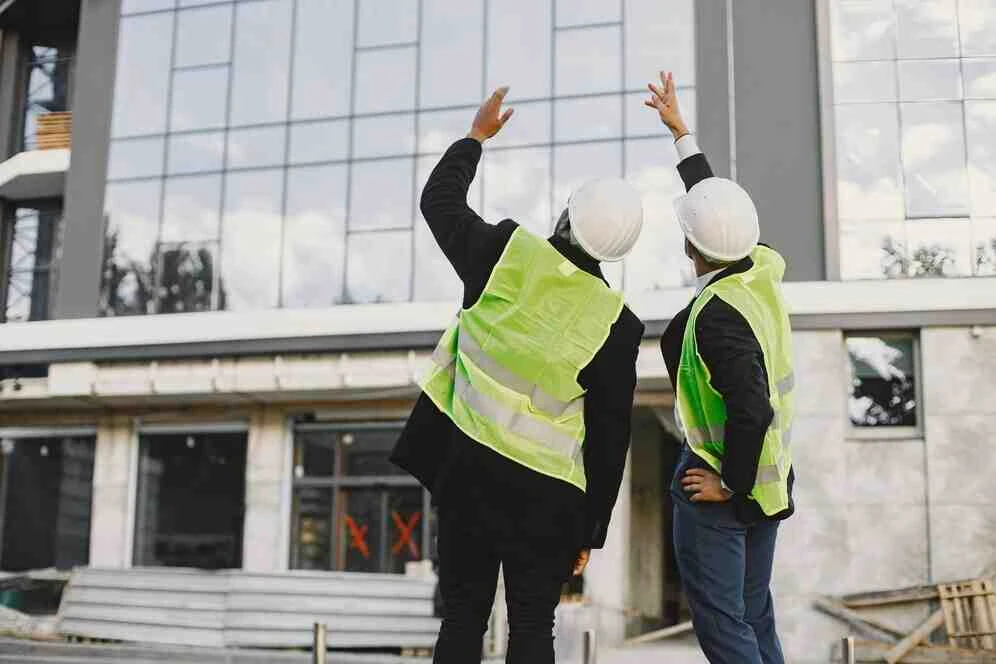
Discover the latest seismic safety innovations for architects in the UK. Stay informed to design resilient structures in low-seismic-risk regions.
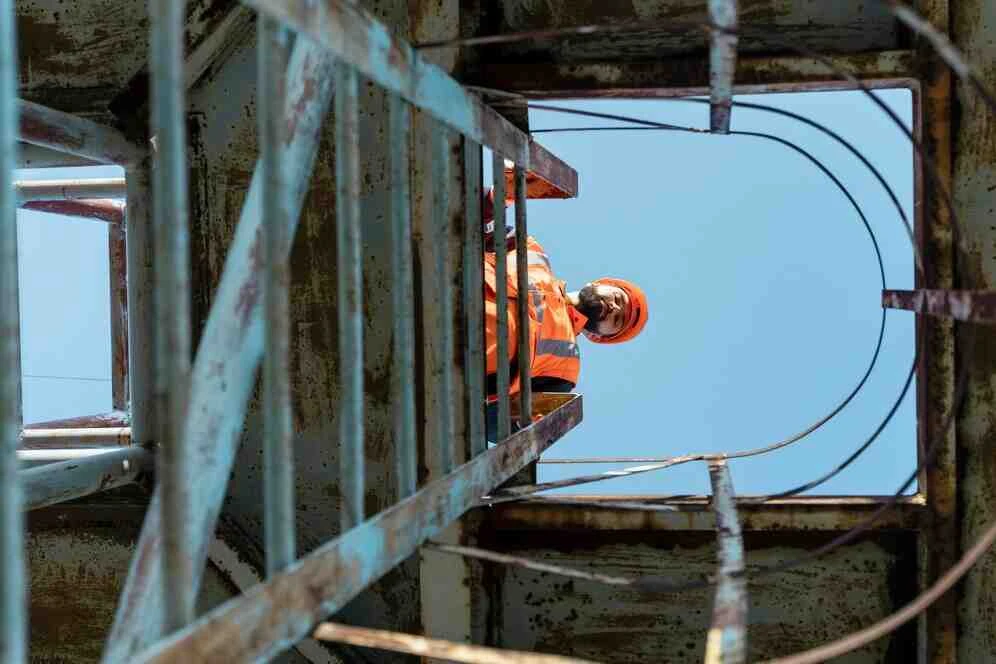
Explore fire safety in UK architecture. Learn about codes, fire-resistant materials, and design strategies to protect lives and property in architectural projects.
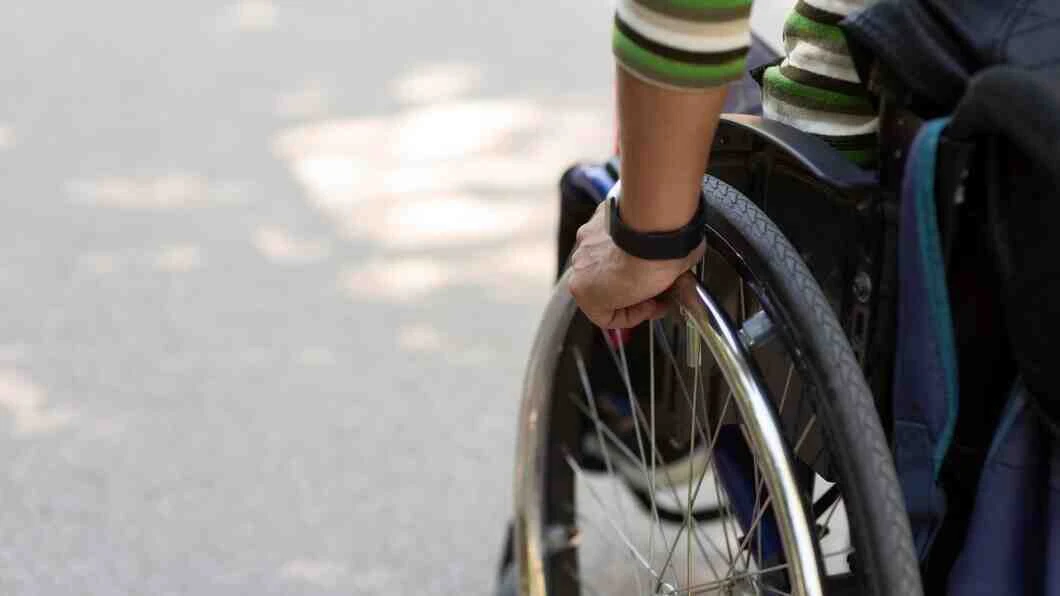
Discover the importance of designing inclusively in architecture. Learn how to meet the unique needs of disabled individuals and create accessible spaces for all.
Sign up to start winning an unlimited amount of jobs near you.


 Electrician
Gas Engineer
Electrician
Gas Engineer


Send more enquiries and explore your options
Increasing the number of potentials leads for you!
Have more control and flexibility over your finances!