


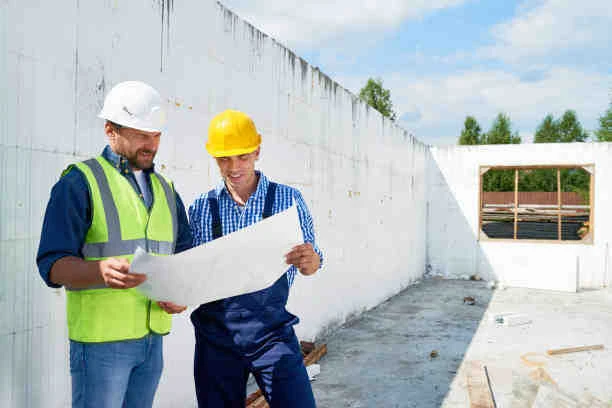
Section 1: Comprehensive Planning
Before any demolition work begins, thorough planning is essential. A well-thought-out plan can minimize risks and ensure everyone"s safety. Here are some key components of a comprehensive demolition plan:
Site Evaluation: Start by assessing the site thoroughly. Identify potential hazards, such as unstable structures, hazardous materials, or nearby utility lines. This evaluation will help in developing a precise plan for the demolition process.
Demolition Methodology: Choose the most appropriate demolition method for the specific project. Common methods include implosion, mechanical demolition, and manual dismantling. The choice should consider safety and environmental concerns.
Risk Assessment: Perform a detailed risk assessment to anticipate potential dangers. Consider factors like structural instability, proximity to neighboring structures, and environmental impact.
Safety Procedures: Establish clear safety procedures and protocols. Make sure all workers are familiar with these procedures and have the necessary training.
Emergency Response Plan: Develop a comprehensive emergency response plan that includes evacuation procedures, first aid stations, and contact information for emergency services.
Section 2: Equipment and Tools
Proper equipment and tools are vital for ensuring safety during demolition. Here are some essential considerations:
Heavy Machinery: Ensure that all heavy machinery and equipment are well-maintained and regularly inspected. Machinery failure can lead to catastrophic accidents.
Personal Protective Equipment (PPE): All workers should wear the appropriate PPE, including helmets, steel-toed boots, safety glasses, and high-visibility vests. PPE is a crucial line of defense against potential hazards.
Dust and Debris Control: Implement effective dust and debris control measures. The use of water spray systems or dust suppressants can minimize airborne particles and protect workers from respiratory issues.
Noise Protection: Demolition sites are noisy environments. Provide hearing protection, such as earmuffs or earplugs, to safeguard workers" hearing.
Fall Protection: When working at heights, like during building implosions or high-rise demolitions, fall protection equipment, such as harnesses and safety nets, is essential.
Section 3: Worker Training and Supervision
The competence of the workforce is a significant factor in ensuring safety on demolition sites. Here"s what you need to consider:
Training Programs: Invest in comprehensive training programs that cover safety procedures, equipment operation, and emergency response. Regular training updates keep workers informed about the latest safety practices.
Supervision: Assign experienced supervisors who can oversee the demolition process and ensure that workers follow safety protocols. Effective communication is key to maintaining a safe work environment.
Safety Culture: Foster a safety-first culture within the team. Encourage workers to report potential hazards and incidents without fear of retribution.
Health Checks: Regular health checks can identify and address potential medical issues that could affect a worker"s ability to perform their duties safely.
Section 4: Hazardous Materials Management
Demolition sites often contain hazardous materials like asbestos, lead-based paint, or chemical residues. Proper handling and disposal of these materials are critical for safety:
Asbestos Abatement: Identify and remove asbestos-containing materials before demolition. Use trained professionals for asbestos abatement to prevent exposure.
Lead Paint Remediation: Similarly, address lead-based paint through remediation efforts. Failure to do so can lead to lead poisoning, which is a severe health hazard.
Chemical Inventories: Identify and manage any hazardous chemicals on the site. Ensure that they are correctly stored and disposed of according to local regulations.
Waste Management: Implement a robust waste management plan to handle debris, hazardous materials, and recycling. Comply with local regulations and promote environmentally friendly disposal methods.
Section 5: Environmental Considerations
In today"s world, environmental responsibility is of utmost importance. Demolition practices can have significant environmental consequences, so consider these best practices:
Recycling and Reuse: Maximize the recycling and reuse of materials whenever possible. Salvaging materials like steel, concrete, and wood can reduce waste and lower the environmental impact.
Erosion Control: Implement erosion control measures to prevent soil erosion, runoff, and pollution of nearby water bodies.
Vegetation Preservation: If possible, preserve vegetation on or near the site. Trees and plants can help reduce dust, absorb pollutants, and improve air quality.
Noise and Dust Mitigation: Use noise barriers and dust control methods to minimize the impact of demolition on the surrounding community.
Section 6: Ongoing Monitoring and Review
The commitment to safety doesn"t end with the initial planning and execution. Ongoing monitoring and review are essential to adapt to changing circumstances and continuously improve safety:
Regular Inspections: Schedule regular safety inspections and audits to identify and address potential issues promptly.
Incident Reporting: Encourage workers to report near-miss incidents, accidents, or unsafe conditions. Analyze these reports to prevent future incidents.
Feedback Mechanisms: Create a system for workers to provide feedback on safety procedures and suggest improvements.
Legal Compliance: Stay up-to-date with local and federal regulations related to demolition safety. Compliance is not optional but a legal requirement.
Conclusion
Ensuring safety on demolition sites is a complex but vital endeavor. By adhering to comprehensive planning, proper equipment use, worker training, hazardous material management, environmental considerations, and ongoing monitoring, we can significantly reduce the risks associated with demolition work.
Demolition may reshape our physical surroundings, but the safety of those who make it happen should never be compromised. Following these best practices can help make demolition sites not only safer but also more efficient and environmentally responsible. Ultimately, the goal is to protect lives, prevent accidents, and leave behind a safer, cleaner world.

Architects play a pivotal role in designing buildings that are not only aesthetically pleasing but also safe and functional. One of the crucial aspects of architectural design is ensuring compliance w...
In the realm of architectural design, aesthetics, and functionality often take center stage. However, a paramount concern that should never be overlooked is safety. The safety of occupants and users i...

Explore the delicate balance between sustainability innovation and safety regulations in architectural design. Discover how architects create eco-friendly yet safe spaces.
Discover the latest seismic safety innovations for architects in the UK. Stay informed to design resilient structures in low-seismic-risk regions.
Explore fire safety in UK architecture. Learn about codes, fire-resistant materials, and design strategies to protect lives and property in architectural projects.

Discover the importance of designing inclusively in architecture. Learn how to meet the unique needs of disabled individuals and create accessible spaces for all.
Sign up to start winning an unlimited amount of jobs near you.


 Electrician
Gas Engineer
Electrician
Gas Engineer


Send more enquiries and explore your options
Increasing the number of potentials leads for you!
Have more control and flexibility over your finances!