


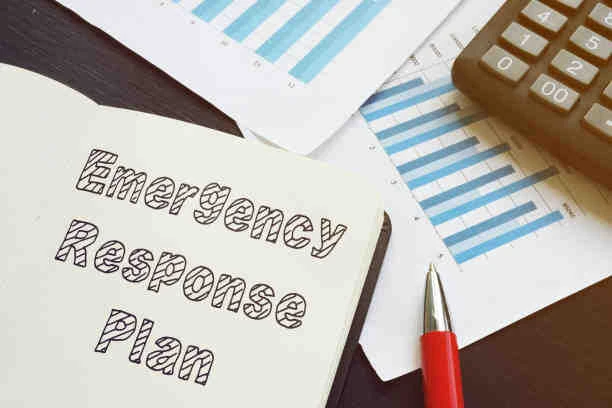
:The Importance of Emergency Response Planning
1. **Risk Mitigation:** Construction conversion sites often involve structural changes, the use of heavy machinery, and various construction materials. These factors inherently present risks of accidents, fires, and other emergencies. An emergency response plan helps mitigate these risks by outlining clear procedures for responding to various scenarios.
2. **Worker Safety:** The well-being of your construction team is paramount. A well-structured emergency response plan ensures that your workers are aware of how to react to emergencies, promoting their safety and security.
3. **Property Protection:** Beyond human safety, an emergency response plan can help protect the property being converted and minimize potential damage in the event of an emergency. Quick and organized responses can be the difference between saving and losing valuable assets.
4. **Legal and Regulatory Compliance:** Many jurisdictions require businesses, including construction firms, to have emergency response plans in place. Compliance with these regulations not only keeps your operation legal but also reduces liability in the event of an emergency.
Creating an Effective Emergency Response Plan
1. **Assess Site-Specific Risks:** Start by identifying potential risks that are specific to your construction conversion site. This includes considering the type of work being done, the location, materials, and any unique challenges presented by the structure being converted.
2. **Establish Clear Protocols:** Develop clear and concise emergency response protocols for various scenarios. This includes procedures for fires, accidents, medical emergencies, hazardous materials spills, and natural disasters. Ensure that these protocols are easily understandable and well-communicated to all team members.
3. **Communication:** Communication is key during emergencies. Establish a communication plan that includes designated personnel responsible for communication and protocols for how information will be disseminated to team members, first responders, and relevant authorities.
4. **Training and Drills:** Regularly train your team on the emergency response plan, including the use of safety equipment and first aid procedures. Conduct mock drills to practice and assess the effectiveness of the plan.
5. **Emergency Contacts:** Compile a list of emergency contacts, including local fire and police departments, medical facilities, and relevant authorities. This information should be easily accessible to all team members.
6. **Designate Roles and Responsibilities:** Assign specific roles and responsibilities to team members during emergencies. This ensures a coordinated and efficient response. Include responsibilities such as first aid, evacuation coordination, equipment operation, and incident reporting.
7. **Evacuation Plans:** Develop clear and well-marked evacuation routes for your construction site. Ensure that all team members are familiar with these routes and conduct regular evacuation drills.
8. **First Aid and Medical Supplies:** Maintain well-stocked first aid kits and medical supplies on-site, and ensure that designated personnel are trained in their use.
9. **Review and Update:** Regularly review and update your emergency response plan to account for any changes in the construction project, site-specific risks, or regulatory requirements.
Conclusion
Emergency response planning is a fundamental aspect of construction conversion engineering projects. It not only safeguards the well-being of your team but also protects property and ensures regulatory compliance. By following these guidelines and continuously refining your plan, you can be better prepared to respond effectively to any unforeseen event, ultimately contributing to the overall success and safety of your construction conversion projects. In an industry where risks are inherent, proactive planning is key to maintaining a secure and efficient work environment.

Architects play a pivotal role in designing buildings that are not only aesthetically pleasing but also safe and functional. One of the crucial aspects of architectural design is ensuring compliance w...

In the realm of architectural design, aesthetics, and functionality often take center stage. However, a paramount concern that should never be overlooked is safety. The safety of occupants and users i...
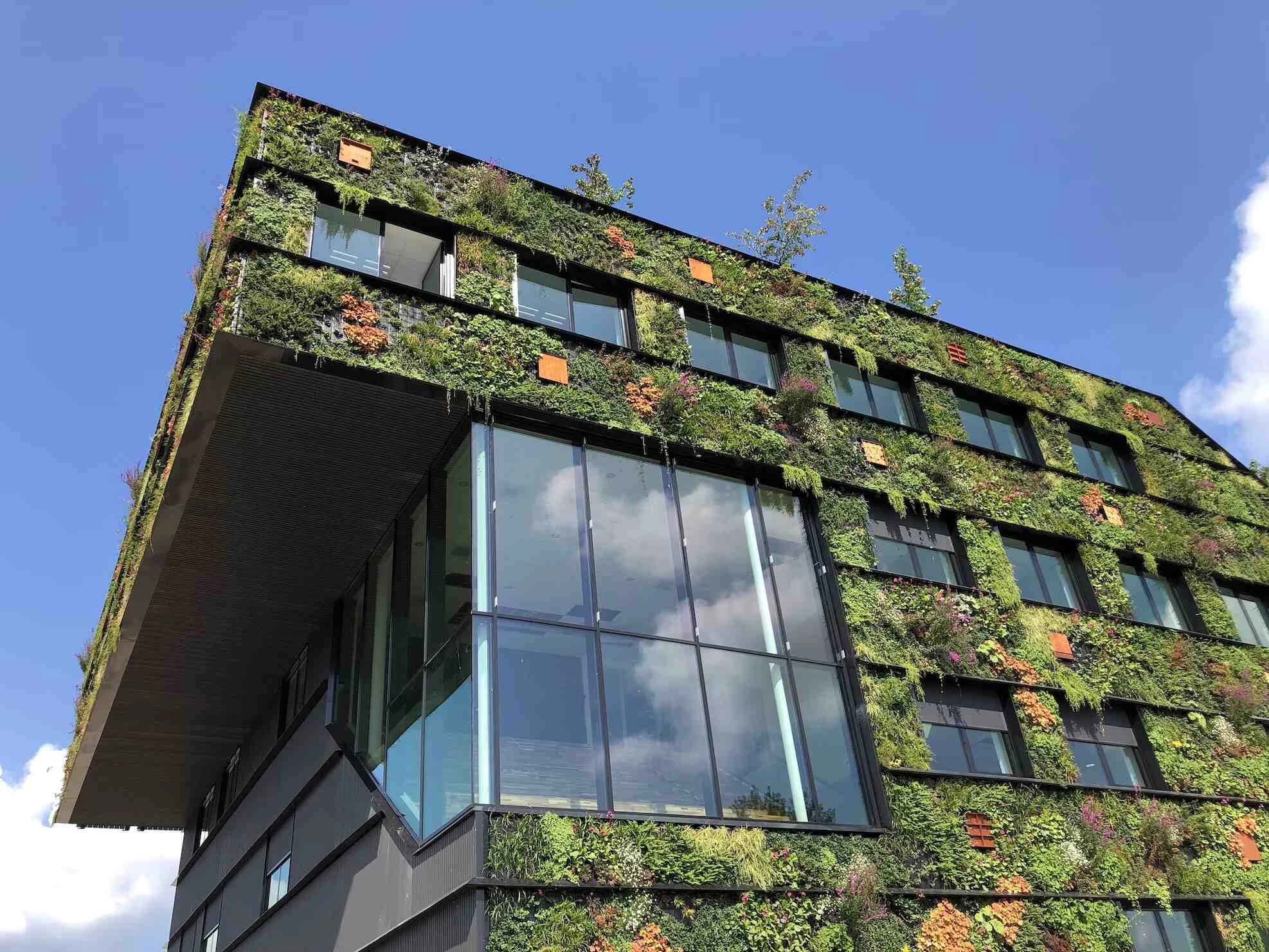
Explore the delicate balance between sustainability innovation and safety regulations in architectural design. Discover how architects create eco-friendly yet safe spaces.
Discover the latest seismic safety innovations for architects in the UK. Stay informed to design resilient structures in low-seismic-risk regions.
Explore fire safety in UK architecture. Learn about codes, fire-resistant materials, and design strategies to protect lives and property in architectural projects.

Discover the importance of designing inclusively in architecture. Learn how to meet the unique needs of disabled individuals and create accessible spaces for all.
Sign up to start winning an unlimited amount of jobs near you.


 Electrician
Gas Engineer
Electrician
Gas Engineer


Send more enquiries and explore your options
Increasing the number of potentials leads for you!
Have more control and flexibility over your finances!