

1. Understanding the Importance of Emergency Preparedness
Before delving into the nitty-gritty of emergency preparedness, it"s crucial to comprehend why it matters. Being unprepared for emergencies can result in devastating consequences for your business, your team, and your clients.
The Cost of Unpreparedness
Imagine arriving at a client"s location for a flooring installation project only to discover a burst pipe flooding the area. Without a plan in place, you"re left scrambling, wasting precious time and resources. Delayed projects can lead to financial losses, damaged reputations, and dissatisfied customers.
A Case Study: Flooring Installation Gone Wrong
To illustrate the real-life consequences of unpreparedness, let"s look at a case study involving a flooring installation team in a coastal area. The team failed to consider the risk of hurricanes, leading to significant damage to materials and equipment, not to mention the safety of the crew. This unfortunate incident resulted in a legal battle and severe financial setbacks.
2. Assessing Risks in Your Work Environment
Each flooring installation job is unique, and the risks associated with it can vary. Understanding the specific risks in your work environment is the first step in emergency preparedness.
Location Matters
Different geographic locations present different challenges. Coastal areas may face hurricanes and flooding, while inland areas may be more prone to tornadoes or wildfires. Know the natural disasters common to your region and plan accordingly.
Weather-Related Risks
Weather can change rapidly. Flooring installers should monitor weather forecasts regularly, especially when working outdoors. Severe weather can pose a significant threat to both workers and materials.
Structural Risks
Old or poorly maintained buildings may have structural issues that could jeopardize your team"s safety. Conduct thorough inspections before starting any project.
Health and Safety Risks
Flooring installation involves various tools and materials that can be hazardous if not handled properly. Injuries and accidents can occur, so having a plan for medical emergencies is crucial.
3. Creating an Emergency Plan
Now that you understand the risks in your work environment, it"s time to create a comprehensive emergency plan.
Building a Team
Select team members who will be responsible for emergency management. Designate a leader and ensure everyone knows their roles and responsibilities.
Identifying Roles and Responsibilities
Determine who will be in charge of evacuation, first aid, equipment retrieval, and client communication. Clearly define each person"s role.
Establishing Communication Protocols
Communication is key during emergencies. Establish a reliable communication system, including backup options, to ensure everyone can stay in touch.
4. Gathering Essential Emergency Supplies
Having the right supplies on hand can make a world of difference during an emergency.
Basic First Aid Kit
A well-stocked first aid kit should include bandages, antiseptics, pain relievers, scissors, and gloves. Ensure it"s accessible and regularly checked for expired items.
Tools and Equipment
Maintain a toolkit with essential items like flashlights, batteries, utility knives, and fire extinguishers. These tools can prove invaluable during power outages or unexpected incidents.
Emergency Lighting
Invest in battery-powered lanterns or headlamps. Adequate lighting is crucial for safety and ensuring you can continue working during extended power outages.
Food and Water
Have a supply of non-perishable food and bottled water available. In case of an emergency that leaves you stranded on-site, these provisions can sustain you until help arrives.
5. Emergency Procedures
Establish clear and concise emergency procedures for various scenarios.
Evacuation Plans
Know the nearest safe evacuation routes from your worksites. Ensure your team is familiar with these routes and practices evacuations periodically.
Sheltering in Place
In some situations, it may be safer to stay put rather than evacuate. Have a designated shelter area with supplies for such situations.
Medical Emergencies
Train your team in basic first aid and CPR. Know the location of the nearest medical facilities and how to contact emergency services.
6. Special Considerations for Flooring Installers
Flooring materials and equipment are costly and need protection during emergencies.
Protecting Flooring Materials
Store materials off the ground to prevent flood damage. Use waterproof coverings for delicate items.
Safeguarding Equipment
Cover and secure equipment to prevent damage from falling debris or floodwaters. Consider investing in equipment insurance.
Mitigating Environmental Damage
Be aware of environmental regulations. Spill containment and cleanup kits can help you comply with environmental laws.
7. Training and Drills
It"s not enough to have a plan on paper. Regular training and drills ensure your team knows what to do in an emergency.
The Importance of Regular Training
Conduct training sessions on emergency procedures, first aid, and equipment use. Ensure that all team members are up-to-date with their knowledge.
Conducting Emergency Drills
Simulate emergency scenarios regularly. These drills help identify weaknesses in your plan and ensure everyone is comfortable with their roles.
8. Insurance and Legal Considerations
Understanding your insurance coverage and legal obligations is essential for protecting your business in case of an emergency.
Understanding Your Insurance Coverage
Review your insurance policies to ensure they cover potential emergencies. Consider additional coverage if necessary.
Legal Obligations
Comply with all relevant safety and environmental regulations. Failure to do so can result in legal consequences and financial penalties.
9. Establishing Communication Channels
Communication is vital not only within your team but also with clients and authorities.
Staying in Touch with Your Team
Use two-way radios or messaging apps to stay in constant contact with your team members on-site.
Coordinating with Clients
Keep clients informed about potential delays or emergencies that may affect the project timeline. Maintain open lines of communication.
10. Maintaining Records
Documenting incidents and updating your emergency plans is crucial for continuous improvement.
Documenting Incidents
Record any emergencies or near-misses, including lessons learned and areas for improvement.
Updating Emergency Plans
Regularly review and update your emergency plans based on new information and experiences.
11. Staying Informed
Stay informed about potential emergencies and developments in your area.
Monitoring Weather and Local News
Use weather apps and local news sources to stay updated on potential threats.
Emergency Alerts and Notifications
Sign up for emergency alerts and notifications from local authorities to receive real-time information.
12. Recovery and Continuity
After an emergency, it"s essential to get back to work and assess the damage.
Getting Back to Work
Have a recovery plan in place to resume operations as soon as possible.
Lessons Learned
Conduct a post-incident review to identify what went well and where improvements are needed.
13. Community Engagement and Support
Build relationships with local authorities and neighboring businesses.
Building Relationships with Local Authorities
Having a good rapport with local emergency services can expedite help during a crisis.
Mutual Assistance Agreements
Consider mutual assistance agreements with neighboring businesses to support each other in emergencies.
14. Conclusion: A Flooring Installer"s Guide to Peace of Mind
Emergency preparedness is not just a box to check; it"s a continuous commitment to the safety of your team, your clients, and your business. By understanding the risks, creating a solid plan, and regularly practicing emergency procedures, you can ensure that you"re ready for anything that comes your way. In the end, the peace of mind you gain is invaluable, knowing that you"ve taken steps to protect what matters most in your flooring installation business.

Architects play a pivotal role in designing buildings that are not only aesthetically pleasing but also safe and functional. One of the crucial aspects of architectural design is ensuring compliance w...
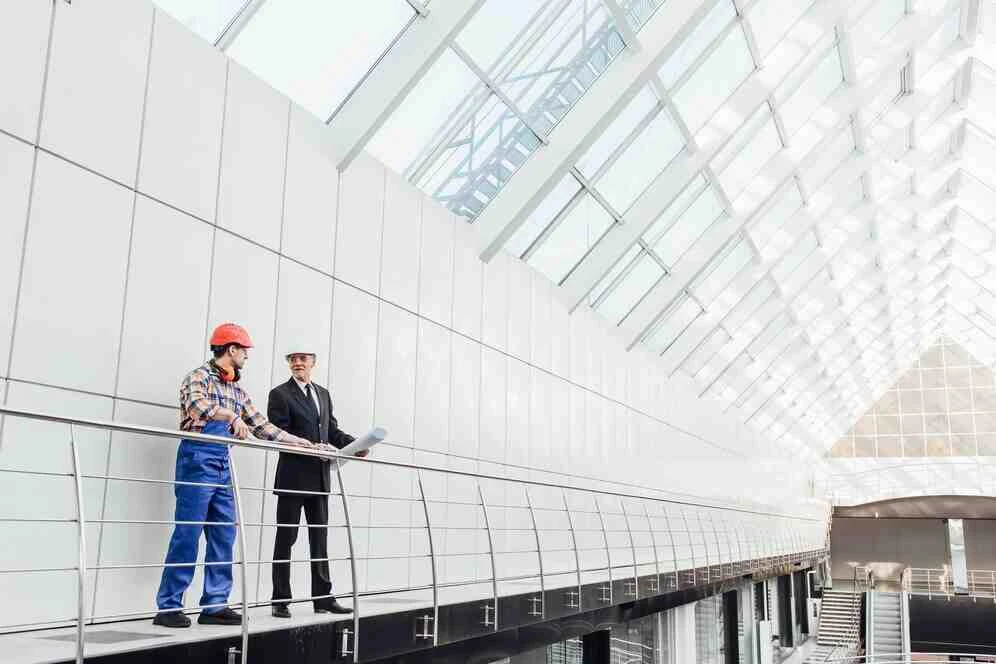
In the realm of architectural design, aesthetics, and functionality often take center stage. However, a paramount concern that should never be overlooked is safety. The safety of occupants and users i...

Explore the delicate balance between sustainability innovation and safety regulations in architectural design. Discover how architects create eco-friendly yet safe spaces.
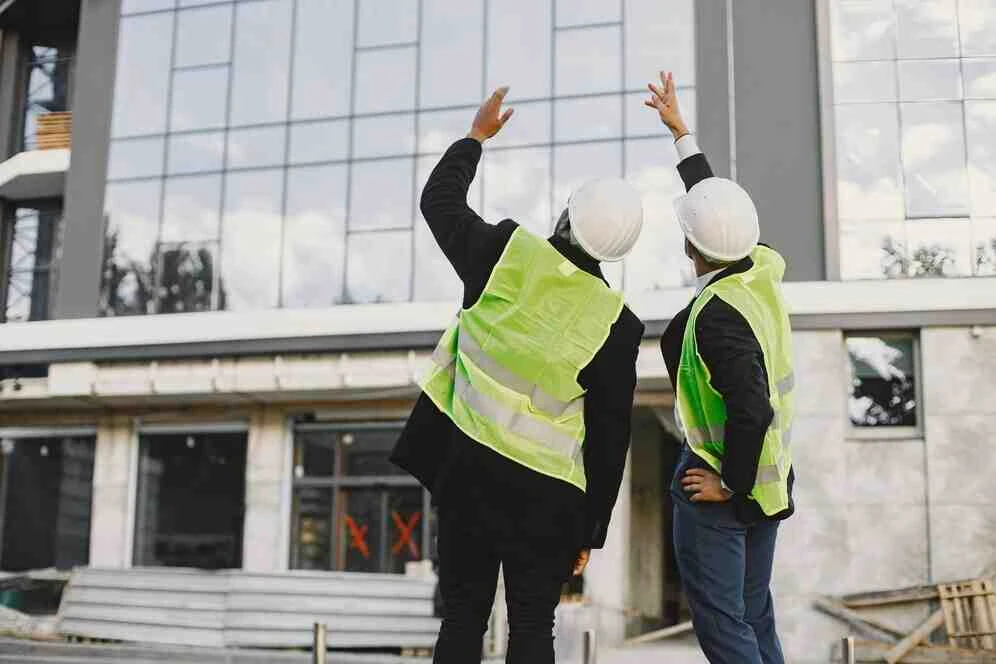
Discover the latest seismic safety innovations for architects in the UK. Stay informed to design resilient structures in low-seismic-risk regions.
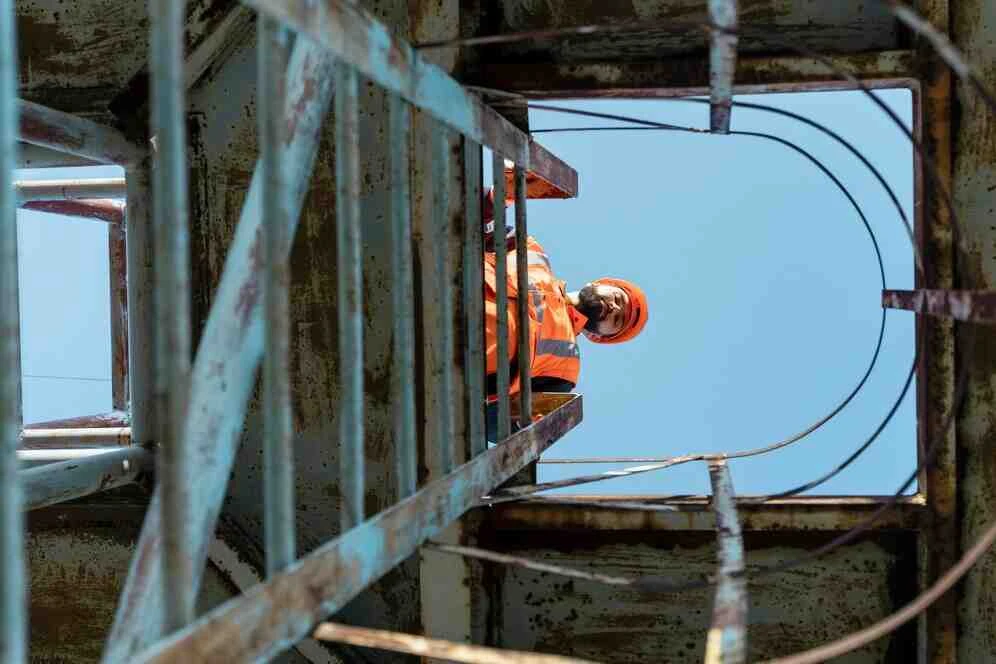
Explore fire safety in UK architecture. Learn about codes, fire-resistant materials, and design strategies to protect lives and property in architectural projects.

Discover the importance of designing inclusively in architecture. Learn how to meet the unique needs of disabled individuals and create accessible spaces for all.
Sign up to start winning an unlimited amount of jobs near you.


 Electrician
Gas Engineer
Electrician
Gas Engineer


Send more enquiries and explore your options
Increasing the number of potentials leads for you!
Have more control and flexibility over your finances!