

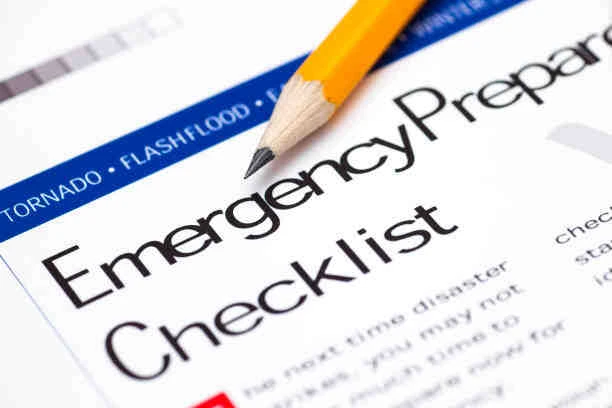
The Importance of Emergency Preparedness
1. **Worker Safety:** The well-being of your team members is paramount. Being prepared for emergencies can mean the difference between minor injuries and catastrophic incidents.
2. **Project Protection:** In addition to human safety, you need to safeguard your projects and investments. Adequate preparedness can mitigate property damage and financial losses.
3. **Reputation Management:** How you handle emergencies can significantly impact your professional reputation. Being well-prepared and responding effectively reflects positively on your company.
4. **Compliance:** Adhering to safety regulations and preparedness standards is often a legal requirement in many jurisdictions. Non-compliance can result in penalties and legal issues.
Emergency Preparedness Tips for Extension Installers
1. **Safety Training:** Ensure that all members of your team are adequately trained in first aid, CPR, and other emergency response procedures. Regular refresher courses and training updates are essential.
2. **Safety Equipment:** Provide your crew with the necessary safety equipment, including personal protective gear, first aid kits, fire extinguishers, and other safety devices specific to your field.
3. **Emergency Plans:** Develop comprehensive emergency response plans specific to your projects and sites. These plans should include evacuation routes, contact information for emergency services, and instructions on how to handle different types of emergencies.
4. **Communication:** Establish reliable communication systems for your team. Radios, mobile phones, and other communication tools are vital for staying connected in emergency situations.
5. **Weather Monitoring:** Stay informed about weather conditions and local weather alerts. Extreme weather events can pose significant risks to your projects and safety.
6. **Regular Inspections:** Schedule routine inspections of your work sites to identify potential hazards and areas that require attention. Address these issues promptly to reduce risks.
7. **Tool Maintenance:** Regularly inspect and maintain your tools and equipment to ensure they are safe to use. Faulty tools can lead to accidents and project delays.
8. **Evacuation Drills:** Conduct evacuation drills on your work sites to ensure that your team knows how to safely exit in case of an emergency.
9. **Emergency Contacts:** Keep an up-to-date list of emergency contacts, including local hospitals, fire departments, and relevant authorities, and ensure that your team members have access to these numbers.
10. **Insurance:** Maintain adequate insurance coverage for your projects and personnel. Insurance can provide financial protection in the event of accidents or emergencies.
Conclusion
Emergency preparedness is a non-negotiable aspect of extension installation work. By prioritizing safety, training your team, and developing comprehensive emergency response plans, you can protect the well-being of your personnel and the integrity of your projects. Safety is not an option; it"s a requirement for success in this challenging and dynamic industry. Being prepared for the unexpected is the best way to ensure the continued growth and sustainability of your extension installation business.

Architects play a pivotal role in designing buildings that are not only aesthetically pleasing but also safe and functional. One of the crucial aspects of architectural design is ensuring compliance w...
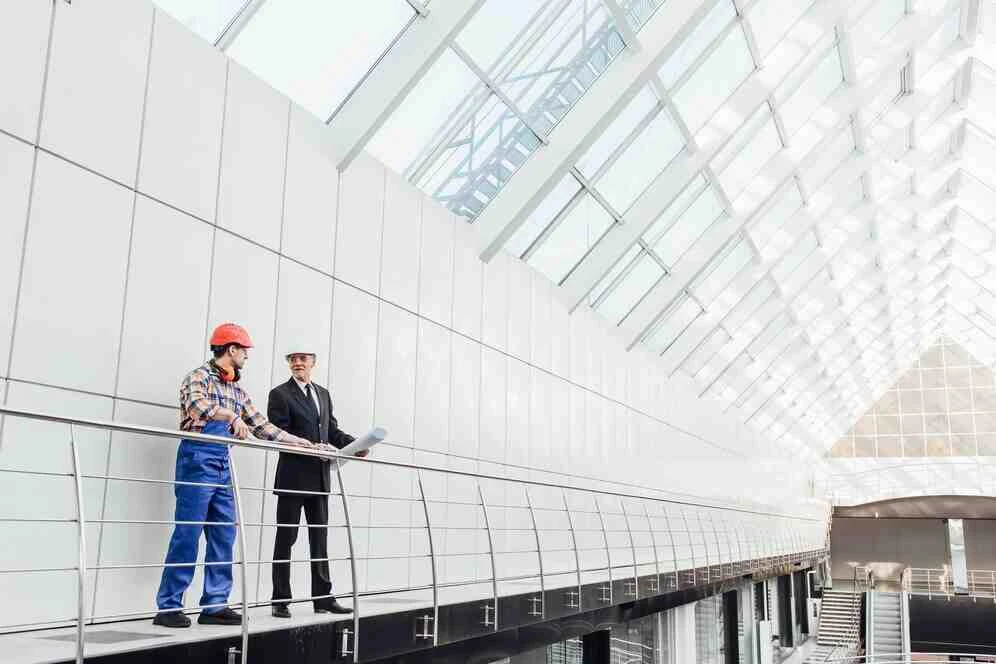
In the realm of architectural design, aesthetics, and functionality often take center stage. However, a paramount concern that should never be overlooked is safety. The safety of occupants and users i...
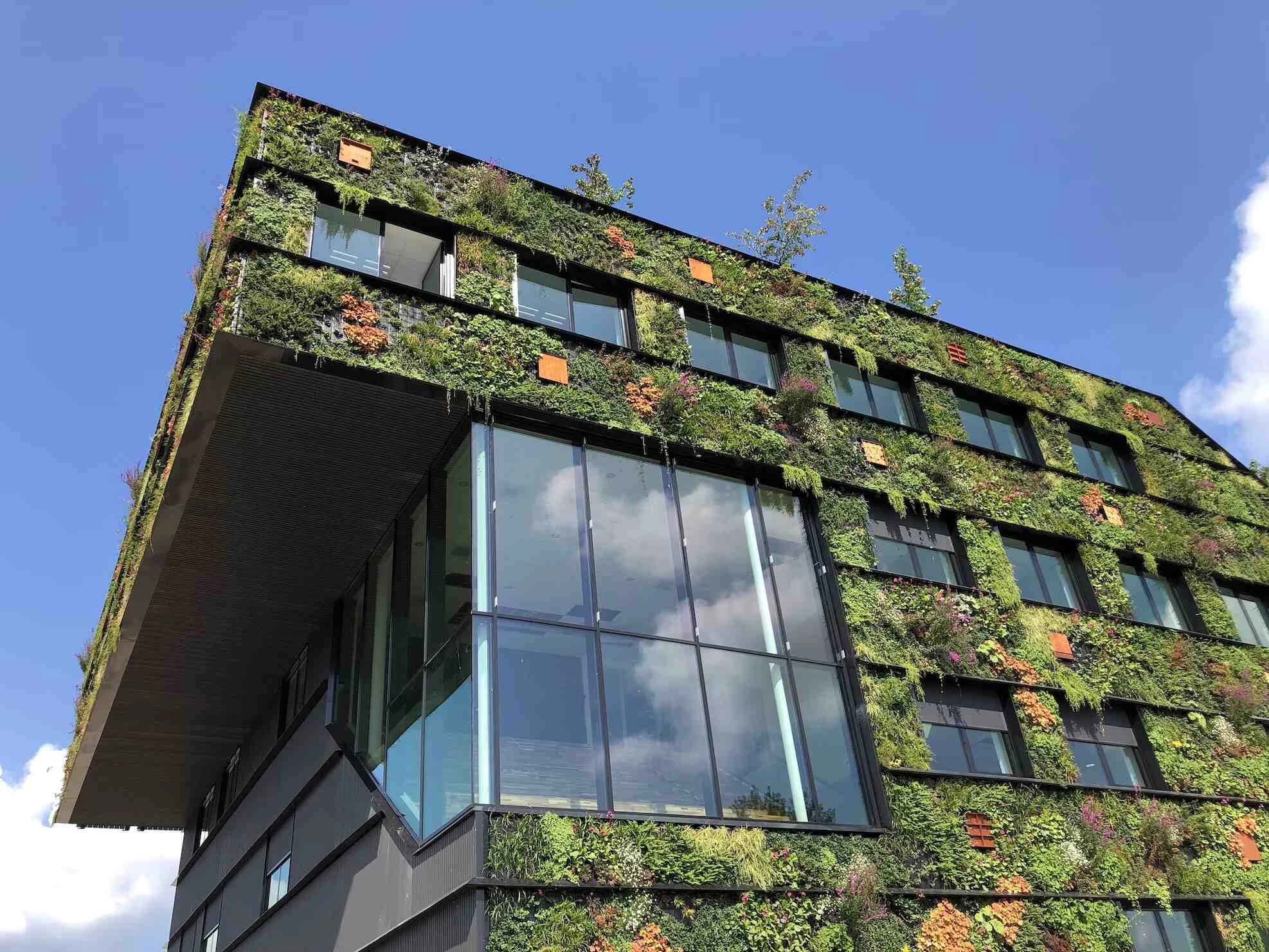
Explore the delicate balance between sustainability innovation and safety regulations in architectural design. Discover how architects create eco-friendly yet safe spaces.
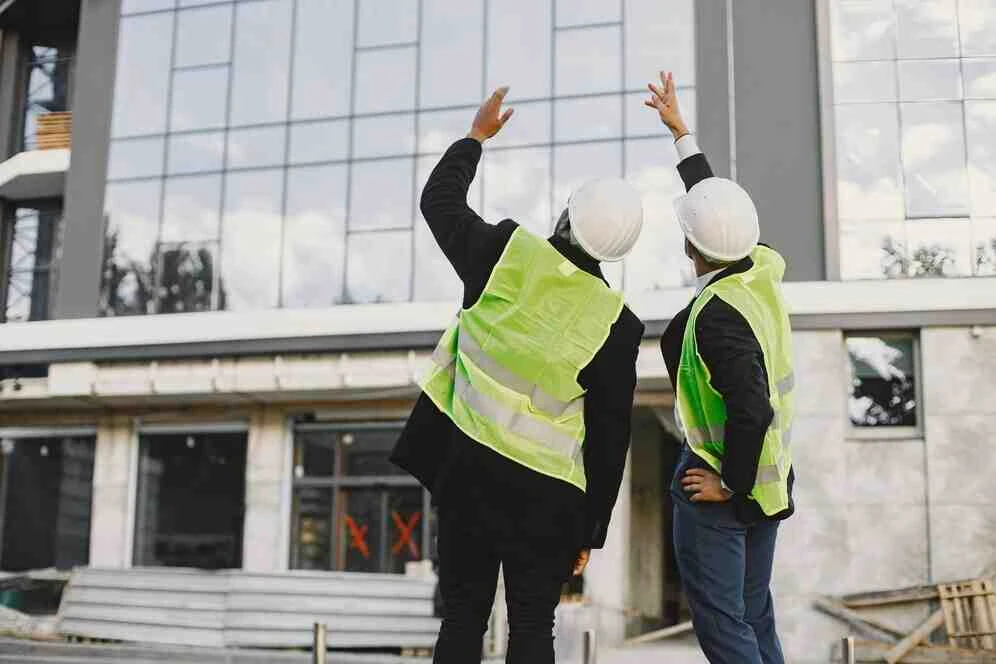
Discover the latest seismic safety innovations for architects in the UK. Stay informed to design resilient structures in low-seismic-risk regions.
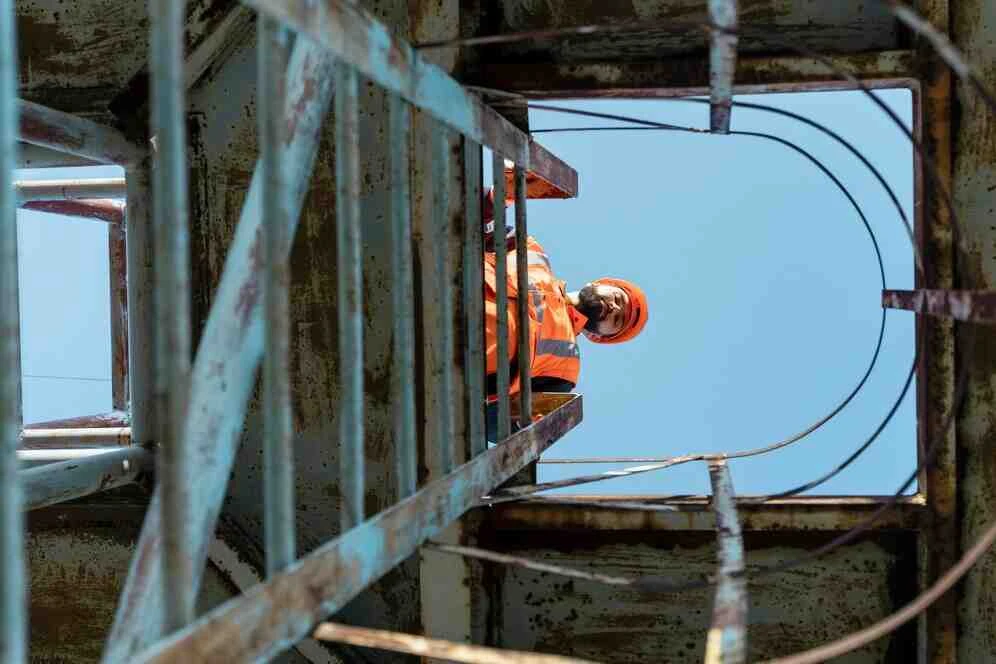
Explore fire safety in UK architecture. Learn about codes, fire-resistant materials, and design strategies to protect lives and property in architectural projects.

Discover the importance of designing inclusively in architecture. Learn how to meet the unique needs of disabled individuals and create accessible spaces for all.
Sign up to start winning an unlimited amount of jobs near you.


 Electrician
Gas Engineer
Electrician
Gas Engineer


Send more enquiries and explore your options
Increasing the number of potentials leads for you!
Have more control and flexibility over your finances!