


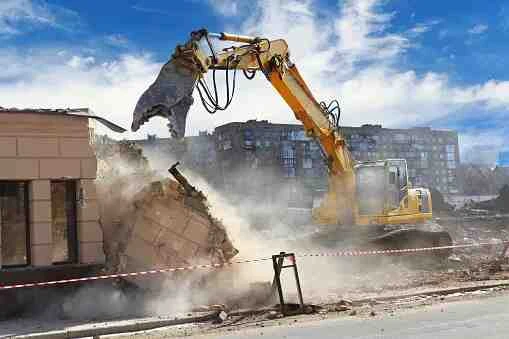
The High-Stakes World of Demolition Engineering
Demolition engineers are the unsung heroes of the construction industry. Their job isn"t just about tearing down structures but doing so with precision, safety, and efficiency. A seemingly straightforward task can quickly turn complex due to various factors like unexpected structural weaknesses, environmental conditions, or the proximity of neighboring buildings.
In the midst of all these variables, emergency situations can arise. Whether it"s a sudden structural failure, a fire, or an evacuation scenario, demolition engineers must be well-prepared to handle these situations swiftly and effectively. Here"s how they can do it:
1. Rigorous Training
Every demolition engineer must undergo rigorous training to handle heavy machinery, explosives, and the intricacies of bringing down structures. Training also extends to emergency scenarios, ensuring that engineers know how to react in case something goes wrong. A well-prepared engineer can mean the difference between a minor setback and a catastrophe.
2. Risk Assessment and Planning
A key element of emergency preparedness is thorough risk assessment and planning. Before any demolition project begins, engineers must assess the potential risks involved. This includes understanding the structural integrity of the building, evaluating environmental factors, and assessing the safety of neighboring structures. By doing so, they can develop strategies to mitigate potential emergencies.
3. Emergency Evacuation Protocols
Demolition sites are dynamic environments, and things can change in an instant. Engineers must have clear and well-communicated evacuation protocols in place. These protocols ensure that everyone on the site, including workers and the general public, knows what to do in case of an emergency. Safety drills and regular training are essential to ensure that these procedures are well understood and can be executed without hesitation.
4. Communication is Key
Effective communication is the backbone of any emergency preparedness plan. Demolition engineers need to establish reliable lines of communication between team members, first responders, and relevant authorities. Radios, cell phones, and backup communication methods should be readily available to ensure that information can be relayed quickly and accurately.
5. Medical Response
Emergencies can involve injuries, so having a well-equipped medical response team on-site is crucial. This team should be trained in first aid and ready to respond immediately. Medical supplies and equipment, such as defibrillators, should be readily available and regularly inspected.
6. Contingency Plans
No matter how well you plan, the unexpected can still occur. Demolition engineers need to have contingency plans in place for a wide range of scenarios. These plans should be regularly reviewed and updated to account for changes in the project, the environment, or regulations.
7. Equipment Safety and Maintenance
Demolition engineers rely on a variety of heavy machinery and equipment. Regular safety inspections and maintenance of these tools are vital to prevent accidents. It"s essential to have well-trained maintenance staff who can promptly repair and maintain equipment to ensure it"s in optimal condition.
8. Regulatory Compliance
Demolition engineers must adhere to strict safety and environmental regulations. Non-compliance can result in serious legal consequences and public safety risks. A commitment to regulatory compliance is an essential part of emergency preparedness, as it ensures that engineers are following established guidelines for safety.
Case Study: The Importance of Preparedness in Action
To illustrate the significance of emergency preparedness for demolition engineers, let"s take a look at a real-life case study: The Controlled Demolition, Inc. (CDI) demolition of the Kingdome in Seattle, Washington.
The Kingdome was a massive, multi-purpose stadium with a unique structural design. CDI faced various challenges, including proximity to the surrounding city, unpredictable weather, and the need to bring down the structure without damaging the nearby infrastructure.
Through meticulous planning, continuous risk assessment, and expert engineering, CDI successfully demolished the Kingdome without any major accidents or incidents. Their preparedness, including a well-trained team, communication protocols, and contingency plans, played a significant role in the operation"s success.
Conclusion
Emergency preparedness is an essential aspect of the high-stakes world of demolition engineering. The work of these professionals requires a combination of training, planning, communication, and adherence to safety regulations to ensure that they can respond effectively in emergencies. From risk assessment to well-defined evacuation procedures and the maintenance of equipment, every aspect of a demolition project contributes to its safety.
The world of demolition engineering is a testament to the importance of preparation and readiness in high-risk industries. The dedication to these principles not only safeguards lives but also helps to protect the environment and neighboring structures. As we witness the controlled collapse of towering structures, we must remember that behind this dramatic sight lies a team of professionals who understand the importance of being prepared for the unexpected. Their commitment to safety ensures that progress continues while minimizing the risks involved. Demolition engineers truly build a solid foundation of preparedness before they bring structures down.

Architects play a pivotal role in designing buildings that are not only aesthetically pleasing but also safe and functional. One of the crucial aspects of architectural design is ensuring compliance w...

In the realm of architectural design, aesthetics, and functionality often take center stage. However, a paramount concern that should never be overlooked is safety. The safety of occupants and users i...

Explore the delicate balance between sustainability innovation and safety regulations in architectural design. Discover how architects create eco-friendly yet safe spaces.
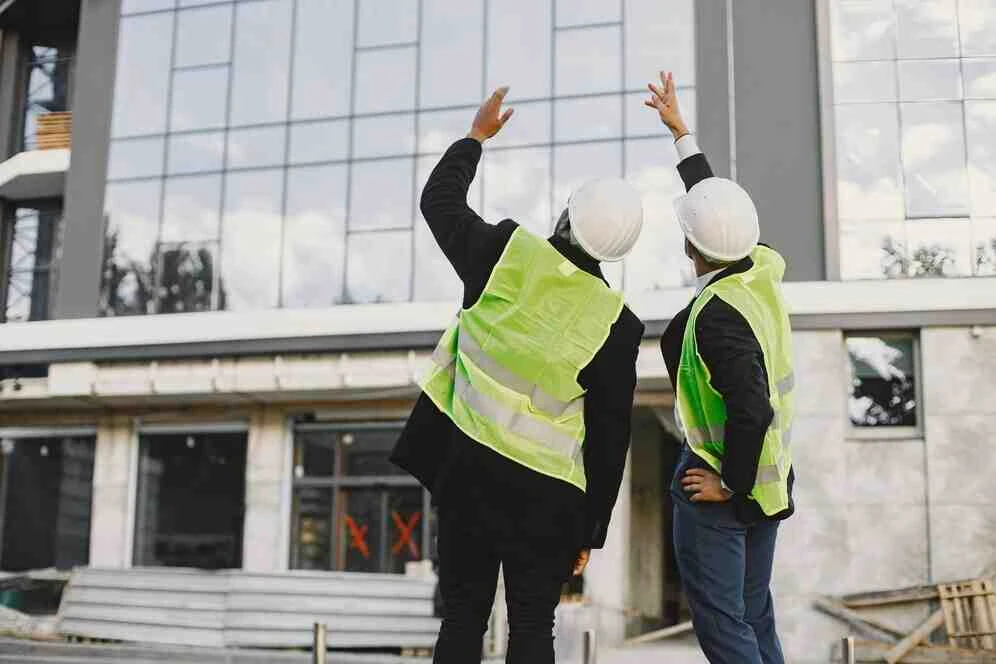
Discover the latest seismic safety innovations for architects in the UK. Stay informed to design resilient structures in low-seismic-risk regions.
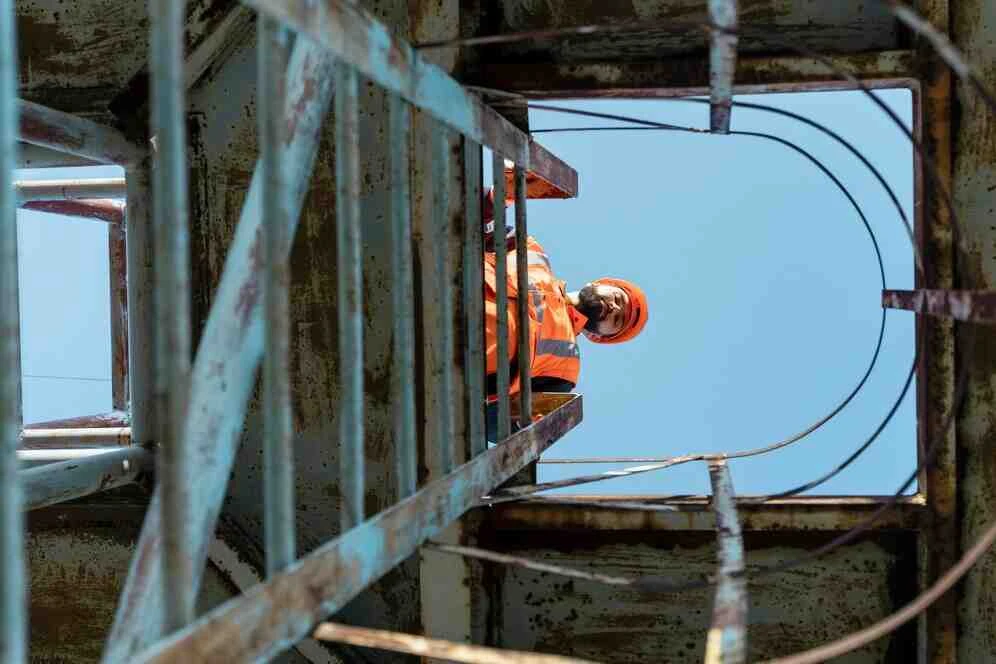
Explore fire safety in UK architecture. Learn about codes, fire-resistant materials, and design strategies to protect lives and property in architectural projects.

Discover the importance of designing inclusively in architecture. Learn how to meet the unique needs of disabled individuals and create accessible spaces for all.
Sign up to start winning an unlimited amount of jobs near you.


 Electrician
Gas Engineer
Electrician
Gas Engineer


Send more enquiries and explore your options
Increasing the number of potentials leads for you!
Have more control and flexibility over your finances!