

The Importance of Emergency Preparedness
Before we delve into the practical aspects of emergency preparedness, let"s understand why it"s crucial for conservatory installers. Emergencies can strike at any time, and your ability to respond effectively can make a significant difference in the outcome of a project and, more importantly, the safety of your team and clients.
1.1. Protecting Lives and Property
Conservatory installations often involve heavy machinery, intricate glasswork, and working at elevated heights. Accidents can happen, and a well-prepared team can mitigate potential dangers and safeguard lives and property.
1.2. Professionalism and Reputation
Being well-prepared demonstrates your professionalism as an installer. Clients are more likely to trust contractors who prioritize safety, and your reputation as a reliable installer will benefit from your commitment to emergency preparedness.
1.3. Regulatory Compliance
Many regions have regulations in place that require contractors to have emergency plans. Compliance with these regulations is not only essential for legal reasons but also a responsible way to conduct your business.
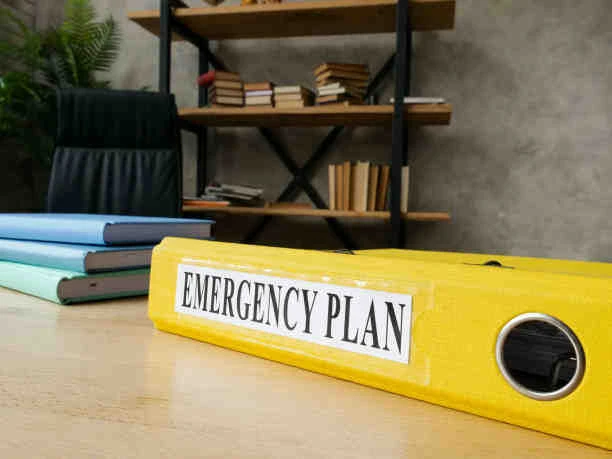
Creating an Emergency Response Plan
Now that we understand the importance of emergency preparedness, let"s explore how to create an effective emergency response plan.
2.1. Risk Assessment
Start by identifying potential risks specific to conservatory installation. Consider factors like working at heights, handling glass and other materials, and the use of heavy equipment. Analyze past projects and near misses to understand where your vulnerabilities lie.
2.2. Team Training
Ensure that your team is well-trained and aware of emergency procedures. Conduct regular safety drills to test their preparedness. Training should cover first aid, fire safety, and evacuation procedures.
2.3. Communication
Establish clear lines of communication. In the event of an emergency, your team should know how to contact emergency services, clients, and relevant stakeholders swiftly.
2.4. Emergency Kit
Prepare an emergency kit that includes first aid supplies, fire extinguishers, emergency lighting, and any other tools or equipment that might be necessary to handle common emergencies.
On-Site Safety Measures
Beyond having an emergency response plan, consider these on-site safety measures that can reduce the likelihood of emergencies.
3.1. Proper Equipment Maintenance
Regularly maintain and inspect all equipment, including cranes, scaffolding, and power tools. This reduces the risk of equipment failure and potential accidents.
3.2. Protective Gear
Ensure your team wears appropriate personal protective equipment (PPE), such as helmets, gloves, safety glasses, and harnesses, when needed.
3.3. Secure the Work Area
Implement safety barriers, warning signs, and restricted access zones to protect your team and prevent unauthorized personnel from entering the work area.
3.4. Weather Monitoring
Keep a close eye on weather forecasts. Extreme weather conditions can pose a significant risk to conservatory installers. Make sure your team knows when it"s safe to continue or pause work.
Client Communication
Effective communication with your clients is a key aspect of emergency preparedness.
4.1. Set Expectations
From the beginning, discuss safety measures and your emergency response plan with your clients. Ensure they understand the importance of these measures and the potential implications for the project timeline.
4.2. Emergency Contact Information
Collect and provide your clients with emergency contact information for your team, including an after-hours contact number. This will help you address any concerns promptly.
4.3. Clarity on Changes
In case an emergency affects the project schedule, communicate clearly with your clients about the need for any changes. Transparency and professionalism can help maintain a positive client-contractor relationship.
Insurance and Legal Considerations
Ensure you have appropriate insurance coverage for your conservatory installation business. Liability insurance, workers" compensation, and any other relevant policies can protect you in the event of accidents or property damage.
Continual Improvement
Emergency preparedness is an ongoing process. Regularly review and update your emergency response plan as your business evolves, and new risks emerge. Learn from past incidents and near-misses to make improvements.
Conclusion
Emergency preparedness is not just a safety net; it"s a fundamental part of being a responsible and professional conservatory installer. Prioritizing safety measures, having a well-thought-out emergency response plan, and maintaining open communication with your clients can help ensure the success of your projects while keeping lives and property secure. By taking these steps, you"ll not only protect your reputation but also demonstrate your commitment to creating beautiful, safe spaces for your clients.

Architects play a pivotal role in designing buildings that are not only aesthetically pleasing but also safe and functional. One of the crucial aspects of architectural design is ensuring compliance w...

In the realm of architectural design, aesthetics, and functionality often take center stage. However, a paramount concern that should never be overlooked is safety. The safety of occupants and users i...

Explore the delicate balance between sustainability innovation and safety regulations in architectural design. Discover how architects create eco-friendly yet safe spaces.

Discover the latest seismic safety innovations for architects in the UK. Stay informed to design resilient structures in low-seismic-risk regions.
Explore fire safety in UK architecture. Learn about codes, fire-resistant materials, and design strategies to protect lives and property in architectural projects.

Discover the importance of designing inclusively in architecture. Learn how to meet the unique needs of disabled individuals and create accessible spaces for all.
Sign up to start winning an unlimited amount of jobs near you.


 Electrician
Gas Engineer
Electrician
Gas Engineer


Send more enquiries and explore your options
Increasing the number of potentials leads for you!
Have more control and flexibility over your finances!