



The Significance of Workplace Safety Training
1. **Injury Prevention**
Landscape work often involves heavy equipment, power tools, and outdoor conditions that can be risky. Safety training equips your crew with the knowledge and skills to prevent accidents and injuries.
2. **Compliance with Regulations**
Compliance with local, state, and federal safety regulations is crucial. Failing to provide safety training can result in legal consequences and financial penalties.
3. **Improved Productivity**
A safe work environment contributes to higher productivity. Crew members who feel safe are more focused and efficient in their tasks.
4. **Reduced Liability**
Proper training can reduce your company"s liability in case of accidents. It demonstrates your commitment to safety and can limit potential legal issues.
5. **Worker Confidence**
When your crew feels confident in their ability to work safely, it improves morale and job satisfaction. They are more likely to take pride in their work and stay with your company long-term.
### Essential Elements of Workplace Safety Training
1. **Orientation Training**
New crew members should receive comprehensive orientation training that covers the basics of workplace safety, including emergency procedures, the proper use of personal protective equipment (PPE), and an introduction to specific job tasks.
2. **Task-Specific Training**
Depending on the roles and responsibilities of your crew members, they may require task-specific training. This can include training on equipment operation, tree trimming, pesticide application, and other specialized tasks.
3. **Personal Protective Equipment (PPE)**
Ensure that your crew understands the importance of PPE and how to use it correctly. Provide necessary gear such as gloves, safety glasses, helmets, hearing protection, and respiratory protection as needed.
4. **Emergency Response Training**
Train your crew on how to respond to common emergencies, such as first aid for minor injuries, evacuation procedures, and how to use fire extinguishers.
5. **Tool and Equipment Safety**
Teach your crew how to properly use and maintain tools and equipment. This includes safety features, regular maintenance, and recognizing signs of wear and tear.
6. **Hazard Identification**
Train your crew to recognize potential hazards in their work environment. They should know how to report hazards and take preventive measures.
7. **Chemical Safety**
If your crew handles chemicals such as pesticides or fertilizers, provide training on how to handle, store, and dispose of these materials safely. Include information on potential health risks and safety precautions.
8. **Regular Refreshers and Updates**
Workplace safety training should not be a one-time event. Schedule regular refresher courses to keep your crew up-to-date on safety practices, equipment, and regulations.
9. **Supervisor Training**
Train your supervisors on safety management, so they can effectively oversee safety protocols and promote a culture of safety within your crew.
### Conclusion
Workplace safety training is a non-negotiable component of running a landscape crew. It ensures the protection of your team, reduces liability, and contributes to a more productive and satisfied workforce. By investing in comprehensive and ongoing safety training, you"re not only complying with regulations but also demonstrating your commitment to the well-being of your crew members. A safe workplace is the foundation for cultivating a successful and thriving landscape business.

Architects play a pivotal role in designing buildings that are not only aesthetically pleasing but also safe and functional. One of the crucial aspects of architectural design is ensuring compliance w...

In the realm of architectural design, aesthetics, and functionality often take center stage. However, a paramount concern that should never be overlooked is safety. The safety of occupants and users i...

Explore the delicate balance between sustainability innovation and safety regulations in architectural design. Discover how architects create eco-friendly yet safe spaces.
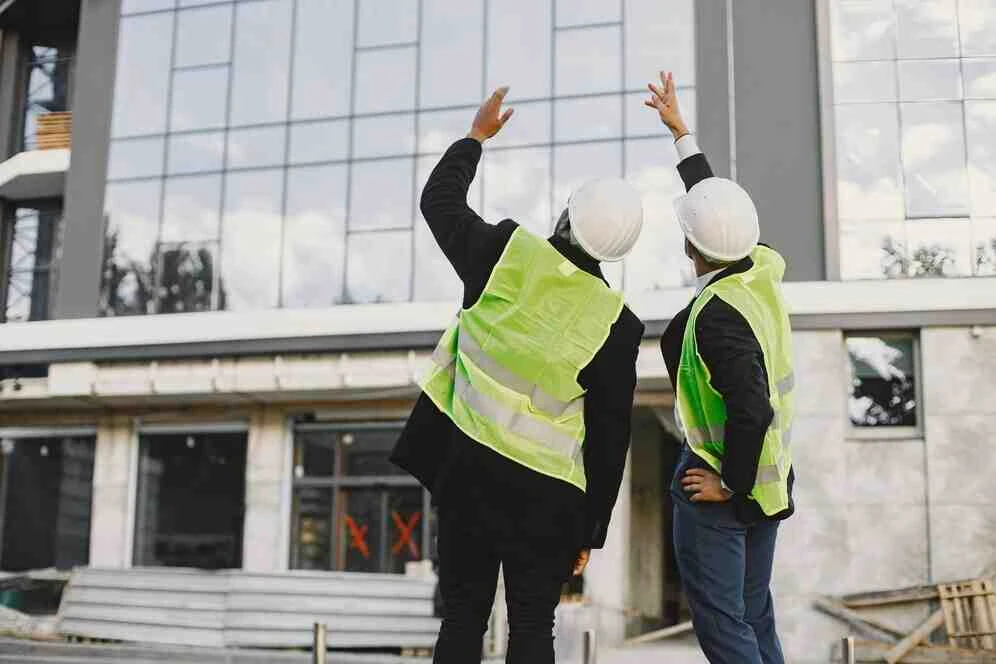
Discover the latest seismic safety innovations for architects in the UK. Stay informed to design resilient structures in low-seismic-risk regions.
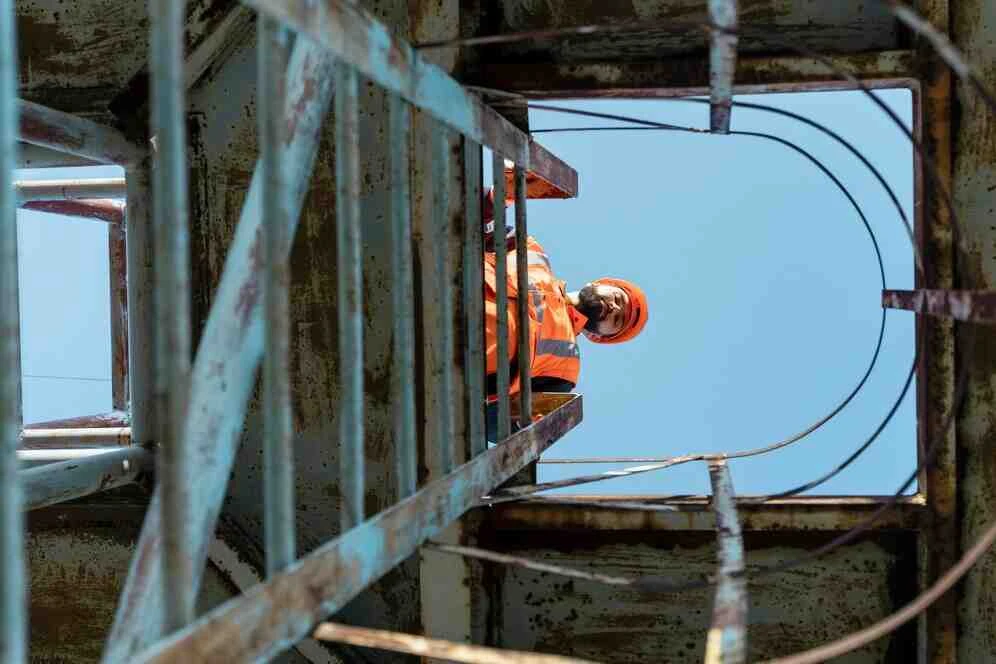
Explore fire safety in UK architecture. Learn about codes, fire-resistant materials, and design strategies to protect lives and property in architectural projects.

Discover the importance of designing inclusively in architecture. Learn how to meet the unique needs of disabled individuals and create accessible spaces for all.
Sign up to start winning an unlimited amount of jobs near you.


 Electrician
Gas Engineer
Electrician
Gas Engineer


Send more enquiries and explore your options
Increasing the number of potentials leads for you!
Have more control and flexibility over your finances!