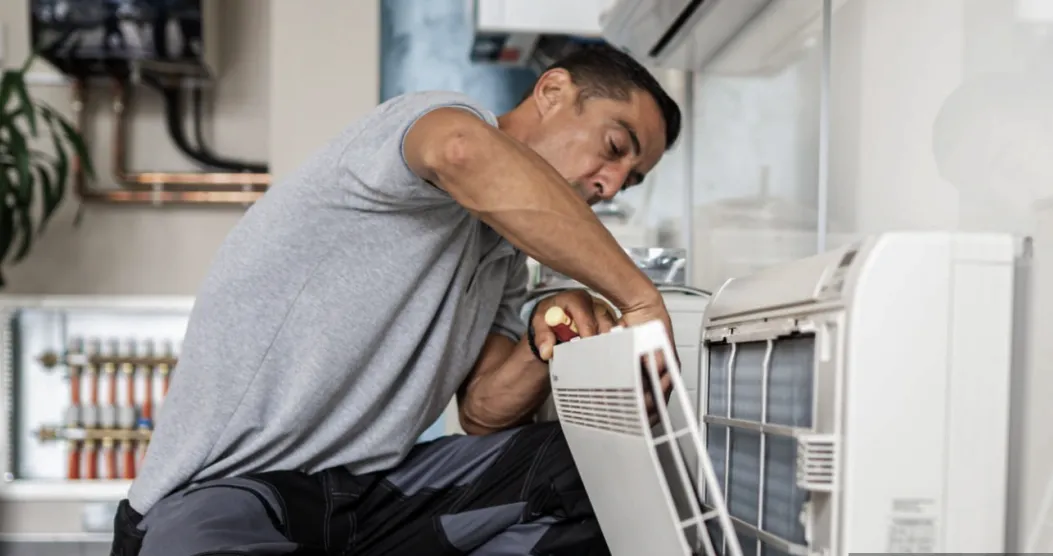



The Importance of Efficient Heating
Before we dive into the nitty-gritty of creating a sustainable home, let"s understand why efficient heating is a vital component of it. Inefficient heating systems not only contribute to excessive energy consumption but also result in higher energy bills and increased carbon emissions. Here are some compelling reasons why efficient heating should be a priority for every homeowner:
Reduced Energy Consumption: Energy-efficient heating systems consume less energy to produce the same amount of heat. This translates to lower energy bills and decreased reliance on fossil fuels.
Environmental Benefits: Lower energy consumption means reduced greenhouse gas emissions. By choosing efficient heating solutions, you can significantly reduce your carbon footprint and contribute to a healthier planet.
Cost Savings: While there may be an initial investment in upgrading your heating system, the long-term cost savings are substantial. Efficient heating can lead to significant reductions in your heating bills, ultimately paying for itself over time.
Enhanced Comfort: Efficient heating systems are often more precise and consistent in maintaining indoor temperatures. This results in a more comfortable living environment, without the fluctuations associated with older, less efficient systems.
Exploring Efficient Heating Options
Now that we understand the importance of efficient heating, let"s explore some of the options available to homeowners. The choice of heating system can vary depending on factors like climate, budget, and personal preferences. Here are some popular choices:
High-Efficiency Furnaces: Modern gas or electric furnaces are designed to maximize heat output while minimizing energy consumption. They use advanced technologies like variable-speed blowers and condensing heat exchangers to achieve high efficiency.
Heat Pumps: Heat pumps are versatile systems that can both heat and cool your home. They work by transferring heat from the outside to the inside during winter and vice versa in summer. Air-source and ground-source (geothermal) heat pumps are efficient options to consider.
Radiant Floor Heating: Radiant floor heating systems use heated water or electric coils beneath the flooring to provide consistent and efficient heating. They are known for their comfort and energy efficiency.
Solar Heating: Solar heating systems harness the power of the sun to heat your home. They can be combined with other heating systems to reduce energy consumption and lower your carbon footprint.
Smart Thermostats: Regardless of the heating system you choose, integrating a smart thermostat can further enhance efficiency. These devices allow you to control your heating remotely, program schedules, and optimize energy usage.
Practical Tips for a Sustainable Home
Creating a sustainable home with efficient heating extends beyond choosing the right heating system. It involves adopting a holistic approach to reduce energy consumption and minimize waste. Here are some practical tips to help you achieve this:
Proper Insulation: Ensure your home is well-insulated to prevent heat loss. Insulate walls, roofs, and floors to create a thermal barrier that keeps the heat in during winter and out during summer.
Sealing Air Leaks: Identify and seal any gaps, cracks, or leaks in your home"s structure. This prevents cold drafts from entering and warm air from escaping.
Regular Maintenance: Keep your heating system in peak condition by scheduling regular maintenance. Clean filters, check for leaks, and ensure all components are working efficiently.
Energy-Efficient Windows and Doors: If you"re considering a home renovation, invest in energy-efficient windows and doors. They can greatly improve insulation and reduce heat transfer.
Use Curtains and Blinds: Use curtains or blinds to your advantage. Open them during the day to allow natural sunlight in, and close them at night to keep the warmth inside.
Zone Heating: Consider dividing your home into heating zones and control them separately. This allows you to heat only the areas you"re using, saving energy in less-used spaces.
Reduced Heat Settings: Lower your thermostat when you"re away or at night. Even a few degrees can make a significant difference in energy consumption.
Renewable Energy Sources: If feasible, explore renewable energy sources such as solar panels or wind turbines to power your heating system. This can further reduce your reliance on fossil fuels.
Conclusion
Creating a sustainable home with efficient heating is not only an investment in your future but also a commitment to environmental stewardship. By understanding the importance of efficient heating, exploring the available options, and implementing practical tips, you can transform your home into a cozy, eco-friendly haven. Embrace the warmth of sustainability and contribute to a greener, more energy-efficient world—one heated room at a time.

Your home is not just a place to live; it"s an expression of your personality and style. One of the most exciting aspects of homeownership is choosing the architectural style that best reflects your t...

Selecting the right architect is a pivotal step in ensuring the success of your construction project, whether it"s a commercial venture or a home improvement project. Architects play a crucial role in...

Architectural design is a complex and creative process that transforms ideas and concepts into tangible structures that shape our built environment. Whether it"s a stunning skyscraper, a sustainable h...

Embarking on an architectural project, whether it"s designing your dream home, renovating a commercial space, or constructing a public building, demands meticulous financial planning. Budgeting is a c...
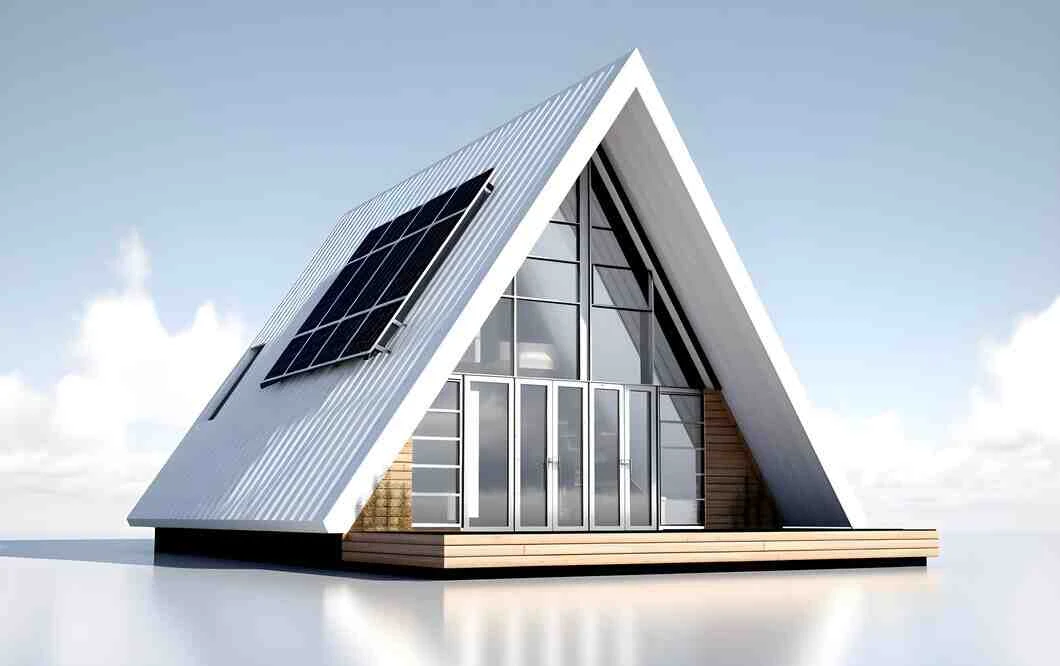
In an era where environmental concerns are at the forefront of our global consciousness, the concept of sustainable architecture has gained significant traction. Sustainable architecture, often referr...
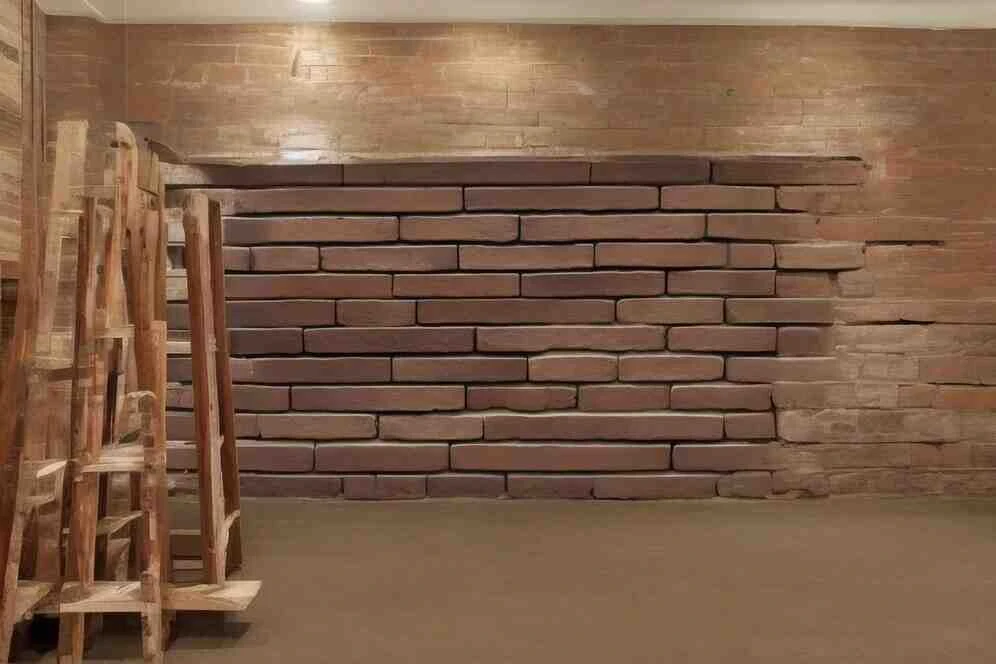
Embarking on a home improvement project can be an exciting but challenging endeavor. When it comes to significant changes, two primary options often come to mind: renovating your existing home or buil...
Sign up to start winning an unlimited amount of jobs near you.


 Electrician
Gas Engineer
Electrician
Gas Engineer


Send more enquiries and explore your options
Increasing the number of potentials leads for you!
Have more control and flexibility over your finances!