


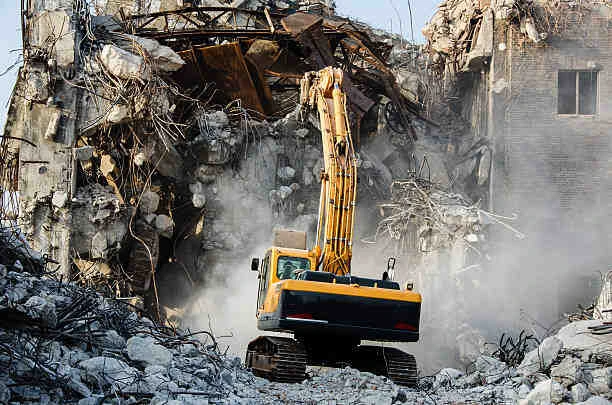
The Environmental Impact of Conventional Demolition
Before delving into the world of eco-friendly demolition, let"s take a moment to understand why the traditional approach to demolition is problematic. Conventional demolition techniques involve using heavy machinery, like wrecking balls and bulldozers, to tear down structures. These methods produce a multitude of negative consequences for the environment:
1. Waste Generation
Conventional demolition generates vast amounts of waste. When a building is brought down, everything inside, from concrete and steel to fixtures and furnishings, ends up as debris. This waste typically goes to landfills, taking up valuable space and contributing to soil and water pollution.
2. Air Pollution
The heavy machinery used in traditional demolition relies on fossil fuels, releasing harmful emissions into the atmosphere. These emissions not only harm air quality but also contribute to climate change.
3. Resource Depletion
Demolishing a structure without considering the potential for recycling or reusing materials leads to the unnecessary depletion of natural resources. For instance, concrete and steel are energy-intensive to produce and contribute to greenhouse gas emissions.
The Rise of Eco-Friendly Demolition
To combat the environmental issues associated with conventional demolition, the construction and demolition industry has been undergoing a transformation. Eco-friendly demolition, also known as deconstruction or green demolition, is emerging as a sustainable alternative.
1. Salvaging and Recycling
One of the core principles of eco-friendly demolition is to salvage and recycle as many materials as possible. This means carefully dismantling structures to preserve valuable resources like steel, wood, and concrete. These materials can then be repurposed in new construction projects, reducing the need for fresh resources and minimizing waste.
2. Reduced Energy Consumption
Eco-friendly demolition practices often use less energy than conventional methods. This is achieved through the deconstruction of a building in smaller, manageable sections and the use of handheld tools instead of heavy machinery. As a result, less energy is required for the demolition process.
3. Minimized Environmental Impact
Eco-friendly demolition is not just about preserving materials and reducing waste; it"s also about minimizing the impact on the surrounding environment. Techniques like wet demolition, where water is used to suppress dust, help reduce air pollution. Moreover, these methods lower the risk of soil and water contamination.
4. Community Benefits
Eco-friendly demolition practices can also benefit the community. By salvaging building materials and donating them to local organizations or selling them to recyclers, this approach can stimulate the local economy and provide affordable building materials to those in need.
The Financial Aspect
While eco-friendly demolition has clear environmental advantages, it"s essential to address the financial aspect as well. Many people might assume that green demolition is more expensive than traditional methods. However, this is not necessarily the case.
In some instances, eco-friendly demolition can be cost-competitive with conventional methods. The salvaging and resale of valuable materials can offset the costs of deconstruction. Furthermore, reduced energy consumption and the potential for tax incentives for environmentally friendly practices can make eco-friendly demolition an economically viable option.
The Future of Sustainable Demolition
As our awareness of environmental issues grows and regulations become more stringent, the construction and demolition industry is steadily shifting towards sustainability. Eco-friendly demolition is no longer a niche practice; it is becoming the industry standard.
The future of sustainable demolition is promising:
1. Technology Advancements
Advancements in technology are making eco-friendly demolition more efficient. Innovations like remote-controlled demolition robots and cutting-edge recycling equipment are making it easier to salvage materials and reduce waste.
2. Regulations and Incentives
Governments and local authorities are increasingly recognizing the importance of sustainable construction and demolition practices. This has led to stricter regulations and incentives for companies to adopt eco-friendly methods.
3. Public Awareness
Public awareness of environmental issues and sustainable practices is on the rise. As consumers demand more sustainable options, businesses in the construction and demolition sector are under pressure to adopt eco-friendly techniques to meet this demand.
Conclusion
Eco-friendly demolition is not just about tearing down buildings; it"s about building a better future for our planet. By reducing waste, conserving resources, and minimizing environmental impact, eco-friendly demolition is a critical element of our journey toward sustainability.
As consumers, we can support this movement by choosing contractors and builders who prioritize eco-friendly demolition methods. By doing so, we actively contribute to a sustainable future. It"s not just about what we build; it"s about how we take things down that can truly make a difference in our world. Eco-friendly demolition is a powerful tool in our arsenal to create a greener, more sustainable future for generations to come.
Your home is not just a place to live; it"s an expression of your personality and style. One of the most exciting aspects of homeownership is choosing the architectural style that best reflects your t...

Selecting the right architect is a pivotal step in ensuring the success of your construction project, whether it"s a commercial venture or a home improvement project. Architects play a crucial role in...

Architectural design is a complex and creative process that transforms ideas and concepts into tangible structures that shape our built environment. Whether it"s a stunning skyscraper, a sustainable h...

Embarking on an architectural project, whether it"s designing your dream home, renovating a commercial space, or constructing a public building, demands meticulous financial planning. Budgeting is a c...
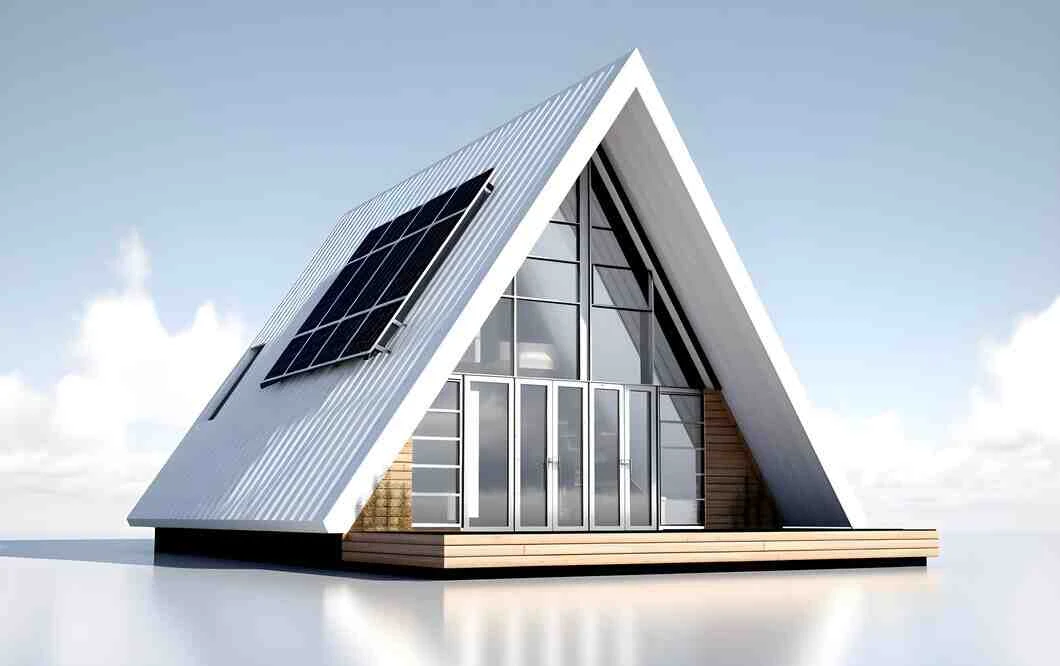
In an era where environmental concerns are at the forefront of our global consciousness, the concept of sustainable architecture has gained significant traction. Sustainable architecture, often referr...
Embarking on a home improvement project can be an exciting but challenging endeavor. When it comes to significant changes, two primary options often come to mind: renovating your existing home or buil...
Sign up to start winning an unlimited amount of jobs near you.


 Electrician
Gas Engineer
Electrician
Gas Engineer


Send more enquiries and explore your options
Increasing the number of potentials leads for you!
Have more control and flexibility over your finances!