



The Importance of Health and Safety Compliance
1. Protecting Workers: The primary goal of health and safety regulations is to safeguard the health and well-being of construction workers. Ensuring a safe work environment reduces the risk of injuries, illnesses, and fatalities.
2. Legal Obligations: Failure to comply with health and safety regulations can result in legal consequences, including fines, penalties, and even project shutdowns. Adherence to these regulations is mandatory and a legal obligation.
3. Risk Mitigation: Construction sites are inherently hazardous places. Health and safety regulations provide guidelines and best practices to mitigate these risks, resulting in fewer accidents and claims.
4. Timely Project Completion: Adhering to safety measures and regulations helps maintain project schedules by reducing the likelihood of accidents and delays.
5. Reputation and Client Satisfaction: A commitment to safety not only protects workers but also enhances your reputation as a responsible and ethical contractor. Clients are more likely to trust and hire professionals who prioritize safety.
Best Practices for Health and Safety Compliance in Extension Work
1. Risk Assessment: Conduct a comprehensive risk assessment before starting any extension project. Identify potential hazards and evaluate their impact on the work environment and workers.
2. Health and Safety Plan: Develop a detailed health and safety plan for each project. This plan should include procedures for handling risks, emergency response protocols, and safety measures tailored to the specific work.
3. Employee Training: Provide adequate training to all employees and subcontractors regarding health and safety protocols, safe work practices, and the proper use of personal protective equipment (PPE).
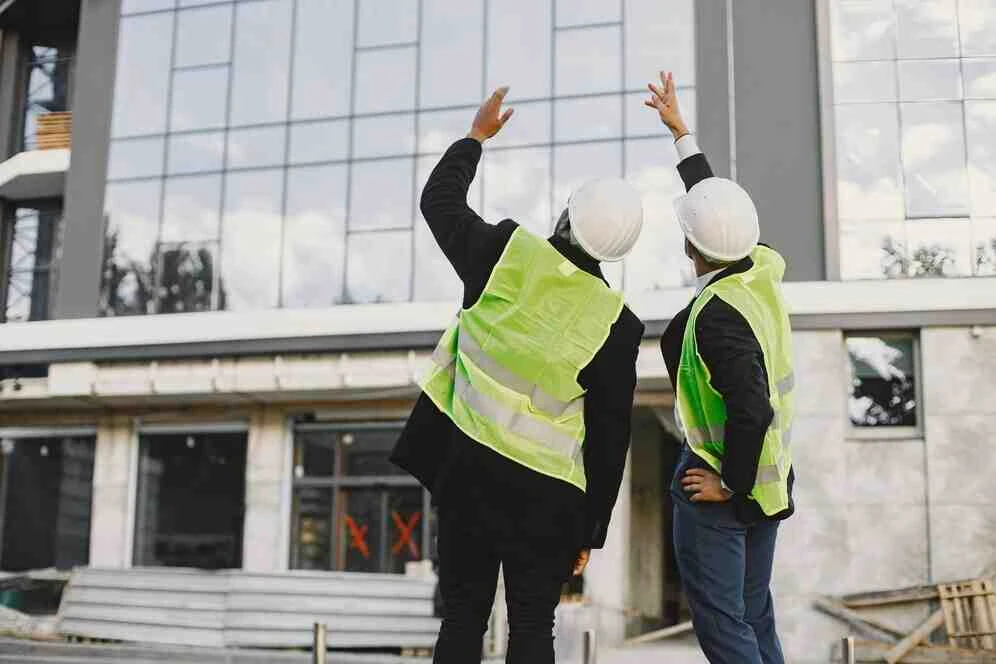
4. Personal Protective Equipment (PPE): Ensure that all workers have access to and wear appropriate PPE, such as hard hats, gloves, safety goggles, high-visibility vests, and steel-toed boots, depending on the nature of the work.
5. Regular Inspections: Conduct routine site inspections to identify and rectify potential safety hazards. Address any issues promptly to maintain a safe work environment.
6. Compliance with Local Regulations: Stay informed about local health and safety regulations and building codes. Compliance with these laws is crucial for risk mitigation.
7. Emergency Response Plans: Develop and communicate emergency response plans that cover various scenarios, such as fires, medical emergencies, and evacuation procedures.
8. Communication: Foster a culture of open and effective communication among all project stakeholders. Encourage workers to report safety concerns or incidents promptly.
9. Documentation: Keep detailed records of safety meetings, training sessions, and inspections. This documentation is essential for demonstrating compliance in case of audits or investigations.
10. Safety Leadership: As an extension professional, take a proactive role in demonstrating and promoting safety leadership. Lead by example, and prioritize safety as an integral part of your project management.
Conclusion
Compliance with health and safety regulations in extension work is a non-negotiable aspect of the construction industry. It is not only essential for protecting workers and avoiding legal repercussions but also for ensuring the successful and timely completion of projects. By conducting thorough risk assessments, developing comprehensive health and safety plans, and implementing safety measures, extension professionals can create a safer and more secure work environment. Safety compliance not only enhances your reputation but also provides peace of mind for both workers and clients, setting the stage for successful and responsible construction practices.

Architects play a pivotal role in designing buildings that are not only aesthetically pleasing but also safe and functional. One of the crucial aspects of architectural design is ensuring compliance w...

In the realm of architectural design, aesthetics, and functionality often take center stage. However, a paramount concern that should never be overlooked is safety. The safety of occupants and users i...

Explore the delicate balance between sustainability innovation and safety regulations in architectural design. Discover how architects create eco-friendly yet safe spaces.
Discover the latest seismic safety innovations for architects in the UK. Stay informed to design resilient structures in low-seismic-risk regions.
Explore fire safety in UK architecture. Learn about codes, fire-resistant materials, and design strategies to protect lives and property in architectural projects.

Discover the importance of designing inclusively in architecture. Learn how to meet the unique needs of disabled individuals and create accessible spaces for all.
Sign up to start winning an unlimited amount of jobs near you.


 Electrician
Gas Engineer
Electrician
Gas Engineer


Send more enquiries and explore your options
Increasing the number of potentials leads for you!
Have more control and flexibility over your finances!